

Every aircraft that takes off, cruises, and lands safely depends on an invisible web of coordination happening behind the scenes. This coordination is made possible by air traffic management technology, a combination of radar systems, satellite navigation, communication networks, and automated decision-support tools that guide thousands of flights every day. Without these systems, the skies would quickly become chaotic, especially as global air travel continues to grow year after year.
Modern aviation is no longer just about pilots and control towers. It involves a complex digital ecosystem where data flows continuously between aircraft, ground stations, and control centers. This shift has turned what was once a manual, voice-based process into a highly automated and data-driven discipline. As airspace becomes busier, the reliance on advanced technology grows stronger, making it one of the most critical areas of investment in the aviation industry today.
Why Air Traffic Management Matters More Than Ever
Air travel demand has surged dramatically over the past two decades, and airports across the world are handling more flights than their infrastructure was originally designed for. This growth has placed enormous pressure on existing systems, making efficient air traffic management technology essential rather than optional. Congestion, delays, and safety risks increase when outdated systems try to manage modern traffic volumes.
Beyond simply keeping aircraft separated, these systems also help airlines save fuel, reduce emissions, and improve on-time performance. Airports that adopt advanced tools often see fewer ground delays and smoother transitions between departure and arrival sequences. Governments and aviation authorities recognize that upgrading infrastructure is not just about convenience but about long-term sustainability and safety.
Key reasons this technology has become indispensable include:
- Rising global passenger and cargo traffic volumes
- Increasing complexity of shared airspace between commercial, private, and military aircraft
- Growing demand for real-time data sharing across international borders
- Environmental pressure to reduce fuel burn and carbon emissions
- The need for resilient systems that can handle unexpected disruptions
Core Components That Power the System
At its foundation, air traffic management technology relies on several interconnected components working together seamlessly. Radar and surveillance systems track aircraft positions, while communication networks relay instructions between pilots and controllers. Navigation systems, increasingly satellite-based, allow for more precise routing than traditional ground-based beacons ever could.
Automated decision-support tools also play a growing role. These systems analyze traffic patterns, predict potential conflicts, and suggest optimal routing adjustments before human controllers even notice a problem. This blend of human expertise and machine intelligence creates a safety net that catches issues early, reducing the likelihood of near misses or scheduling bottlenecks.
Weather integration is another vital piece of the puzzle. Storms, turbulence, and visibility issues can disrupt flight paths in seconds, so real-time weather data feeds directly into planning tools. Controllers can then reroute traffic proactively rather than reactively, minimizing delays and improving passenger safety across busy corridors.
The Shift From Radar to Satellite-Based Tracking
For decades, ground-based radar was the primary method for tracking aircraft. While reliable, radar has limitations, particularly over oceans and remote regions where coverage gaps exist. Satellite-based surveillance has changed this dynamic entirely, offering continuous tracking capabilities that radar simply cannot match.
This transition represents one of the most significant advancements in air traffic management technology in recent history. Aircraft equipped with satellite transponders can now broadcast their position, altitude, and speed in near real-time, even over vast stretches of open ocean. Controllers on the ground receive this data almost instantly, allowing for tighter separation standards and more efficient routing.
The benefits extend beyond safety. With satellite tracking, airlines can fly more direct routes instead of following rigid, predefined corridors designed around radar limitations. This flexibility translates into shorter flight times, reduced fuel consumption, and lower operational costs. As satellite infrastructure continues to expand, coverage gaps that once posed serious risks are steadily disappearing.
Automation and Artificial Intelligence in Airspace Coordination
Artificial intelligence is beginning to reshape how controllers manage increasingly crowded skies. Predictive algorithms can now forecast traffic bottlenecks hours before they occur, giving controllers time to adjust flow rates and prevent cascading delays. This proactive approach marks a departure from the reactive methods used in earlier decades.
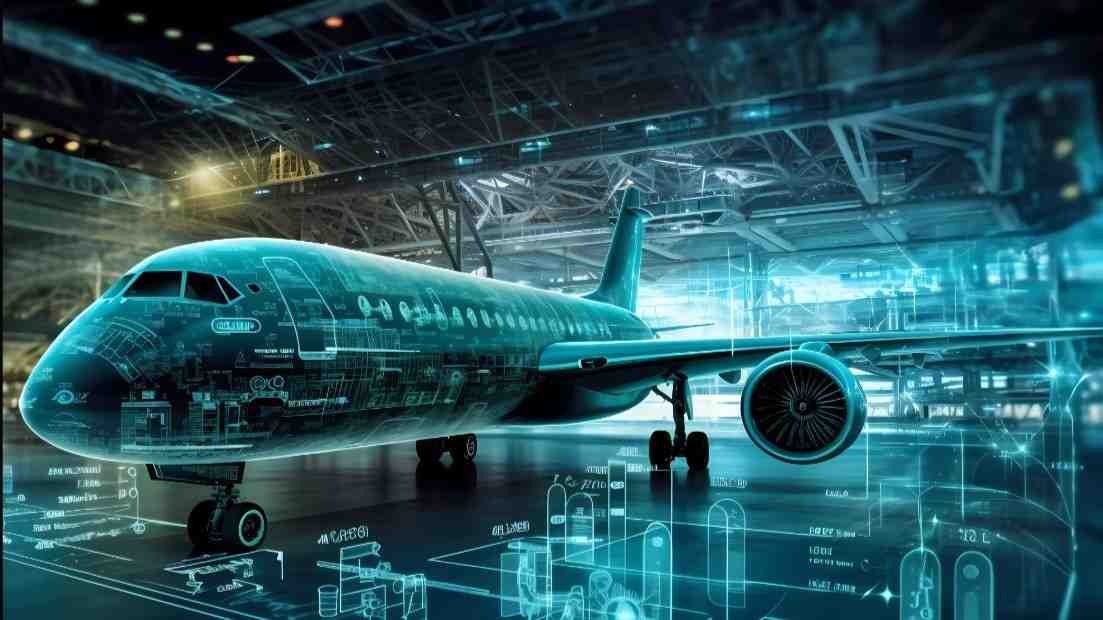
Machine learning models also assist in optimizing arrival and departure sequencing at major hubs. Instead of relying purely on first-come, first-served scheduling, these systems consider multiple variables simultaneously, including aircraft type, fuel levels, and weather conditions, to create the most efficient sequence possible. The result is smoother operations even during peak travel periods.
That said, automation is designed to support human controllers rather than replace them entirely. Final decision-making authority remains with trained professionals who understand context and nuance that algorithms may miss. This collaborative model, where automated air traffic management technology handles data processing while humans retain judgment and oversight, is widely considered the safest and most practical path forward.
Traditional Systems vs Modern Technology
| Feature | Traditional Systems | Modern Technology |
|---|---|---|
| Tracking Method | Ground-based radar | Satellite and GPS-based surveillance |
| Coverage | Limited over oceans and remote areas | Near-global continuous coverage |
| Communication | Voice-only radio | Data link plus voice backup |
| Decision Support | Manual assessment | AI-assisted predictive tools |
| Routing Flexibility | Fixed corridors | Dynamic, direct routing |
| Weather Response | Reactive adjustments | Real-time predictive rerouting |
This comparison highlights how far the industry has progressed, though transition timelines vary significantly between regions depending on infrastructure investment and regulatory approval processes.
Challenges Facing Implementation Worldwide
Despite clear benefits, rolling out advanced systems across the globe is far from simple. Many countries operate with aging infrastructure that requires substantial investment to upgrade, and coordinating standards across international borders adds another layer of complexity. Airlines flying between regions with mismatched systems can face operational inefficiencies during the transition period.
Cybersecurity has also become a pressing concern as systems grow more connected and data-dependent. Protecting sensitive flight data and communication channels from potential threats is now a top priority for aviation authorities. A breach in these networks could have serious consequences, making robust security protocols just as important as the technology itself.
Common challenges include:
- High upfront costs for infrastructure modernization
- Training requirements for controllers adapting to new tools
- Interoperability issues between different national systems
- Regulatory approval processes that can slow deployment
- Cybersecurity risks tied to increased data connectivity
Addressing these challenges requires sustained collaboration between governments, airlines, and technology providers, along with long-term funding commitments that extend beyond short-term political or budget cycles.
Regional Differences in Adoption
Not every region adopts new systems at the same pace. Wealthier nations with established aviation infrastructure often lead the way in testing and implementing cutting-edge tools, while developing regions may lag due to funding constraints. This uneven adoption can create friction when aircraft cross between zones using different generations of technology.
International cooperation efforts aim to standardize practices so that global airspace functions as a unified network rather than a patchwork of incompatible systems. Harmonization initiatives encourage shared protocols for data exchange, communication standards, and safety procedures. When successful, these efforts allow aircraft to transition seamlessly between regions without compromising safety or efficiency.
Investment patterns also reveal interesting trends. Some emerging markets are leapfrogging older technologies entirely, moving directly to satellite-based systems rather than first building extensive radar networks. This approach mirrors patterns seen in telecommunications, where regions skipped landline infrastructure and moved straight to mobile networks, demonstrating how technological adoption doesn’t always follow a linear historical path.
The Role of Data Sharing and Connectivity
Modern operations depend heavily on the seamless exchange of information between multiple stakeholders. Airlines, airports, and control centers all need access to accurate, real-time data to make informed decisions. This interconnected approach represents a fundamental shift from the siloed systems of the past, where information often moved slowly between different parties.
Improved connectivity allows for better collaborative decision-making, particularly during disruptions like severe weather events or unexpected airport closures. When all stakeholders share the same real-time picture, adjustments can happen faster and with less confusion. This reduces cascading delays that once rippled across entire networks following a single disruption.
Data sharing also supports long-term planning efforts. Historical traffic patterns, combined with predictive analytics, help authorities anticipate future capacity needs and plan infrastructure investments accordingly. This forward-looking approach ensures that systems continue evolving alongside growing demand rather than constantly playing catch-up with outdated capabilities.
Looking Toward the Future
The trajectory for this field points toward greater automation, tighter integration, and expanded satellite coverage. As unmanned aircraft systems and urban air mobility vehicles enter shared airspace, existing frameworks will need further adaptation to accommodate these new types of traffic safely. This next chapter promises to be just as transformative as the shift from radar to satellite tracking.
Investment in research and development continues to accelerate, with private companies and government agencies both contributing to innovation. Partnerships between technology firms and aviation authorities are producing tools that were unimaginable just a decade ago, from real-time conflict prediction to fully automated sequencing at major hubs.
Conclusion
The evolution of air traffic management technology reflects the aviation industry’s broader commitment to safety, efficiency, and sustainability. From the shift toward satellite-based tracking to the integration of artificial intelligence in decision-making, these advancements are reshaping how aircraft move through increasingly crowded skies. While challenges around cost, cybersecurity, and global standardization remain, the direction of progress is clear. As demand for air travel continues rising and new categories of aircraft enter shared airspace, continued investment in smarter, more connected systems will remain essential for keeping the world’s skies safe, efficient, and ready for whatever comes next.
Leave a Reply