
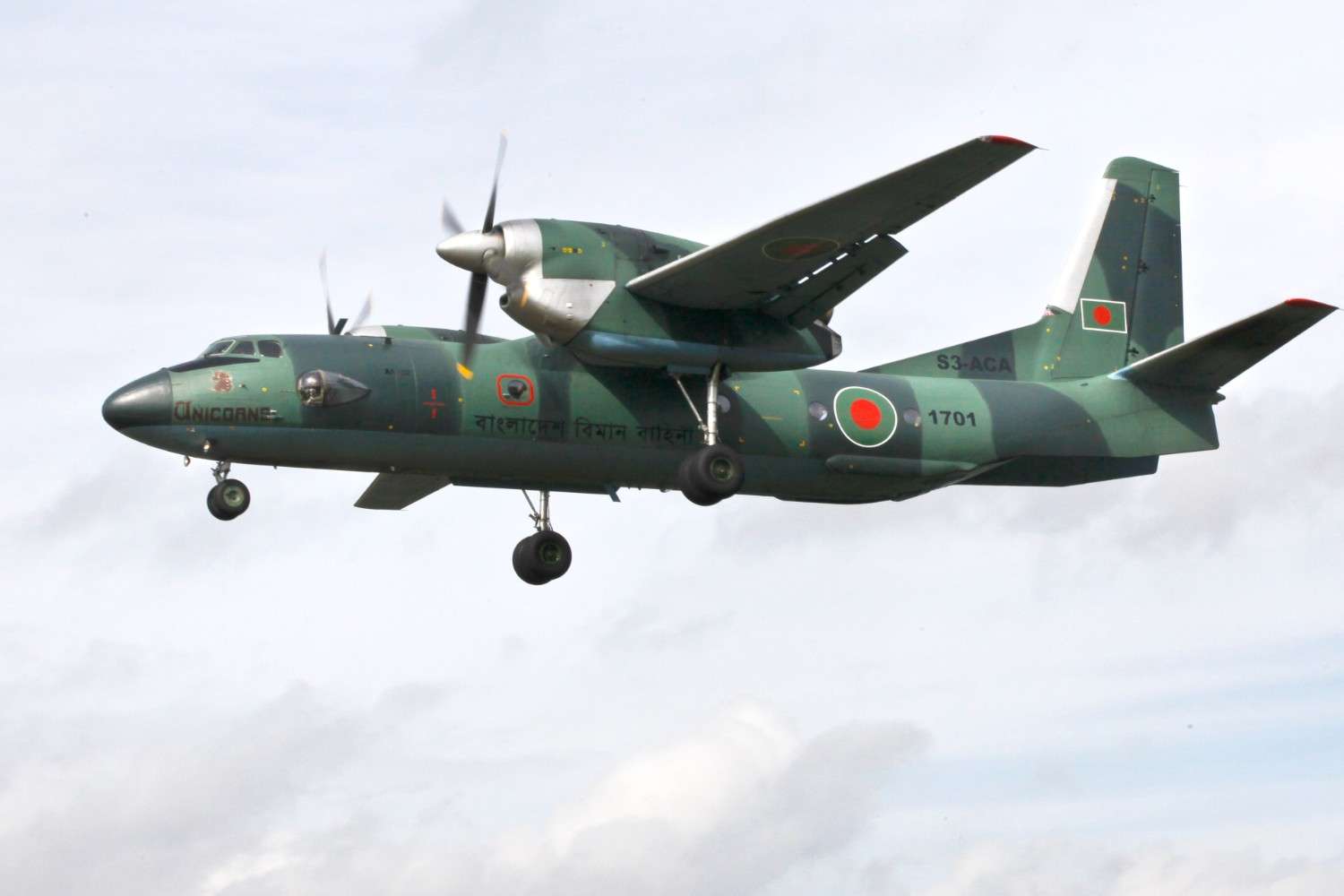
Antonov An-32 stands as one of the most dependable military transport aircraft ever built for operations in extreme environments. Designed by the Soviet Union’s Antonov Design Bureau, this twin-engine turboprop was created to solve a very specific problem: how to operate heavy transport missions in hot climates and at high altitudes where conventional aircraft struggled to perform. Over the decades, the Antonov An-32 has earned a reputation for reliability, ruggedness, and adaptability, making it a preferred choice for air forces operating in mountainous or tropical regions. From humanitarian missions to military logistics, this aircraft continues to serve a vital role even today, decades after its original design was finalized.
Origins and Development History
The story of the Antonov An-32 begins in the early 1970s when Soviet engineers recognized the limitations of the existing An-26 transport aircraft in demanding climates. India, in particular, needed an aircraft capable of operating in the Himalayan region, where thin air and extreme temperatures posed serious challenges for standard turboprop engines. Antonov engineers responded by fitting a modified An-26 airframe with significantly more powerful engines, creating what would become the An-32.
The first prototype flew in 1976, and after extensive testing, the aircraft entered production in the early 1980s. Its design prioritized power-to-weight ratio, allowing it to take off and land on short, unprepared runways even under punishing environmental conditions. This adaptability quickly made the Antonov An-32 a sought-after aircraft, particularly among nations with challenging terrain or extreme climates.
Design Features That Set It Apart
What makes the Antonov An-32 unique is not just its power but its overall engineering philosophy. Unlike many transport aircraft of its era, this plane was built specifically to overcome altitude and temperature limitations that grounded other designs. Engineers achieved this by mounting the engines higher on the wings, which improved propeller clearance and protected the engines from foreign object damage during rough-field operations.
Some standout design elements include:
- A high-mounted engine configuration that improves ground clearance and reduces debris ingestion risk
- A reinforced landing gear system built for unpaved and semi-prepared airstrips
- A rear cargo ramp that allows quick loading and unloading of vehicles, supplies, or paratroopers
- A pressurized cockpit and cargo area for improved crew and cargo protection
- A simple, robust airframe that supports easier field maintenance
These features combined to create an aircraft that could handle missions other transport planes simply couldn’t attempt, especially in remote or underdeveloped regions lacking modern airport infrastructure.
Engine Power and Performance Capabilities
At the heart of the Antonov An-32 lies its most defining feature: the Ivchenko AI-20D turboprop engines. These engines produce significantly more horsepower than those found on comparable aircraft of similar size, giving the An-32 exceptional climb performance and payload capacity even in thin, high-altitude air. This power advantage is precisely why the aircraft became so popular among operators working in mountainous regions like the Himalayas, the Andes, and various African highlands.
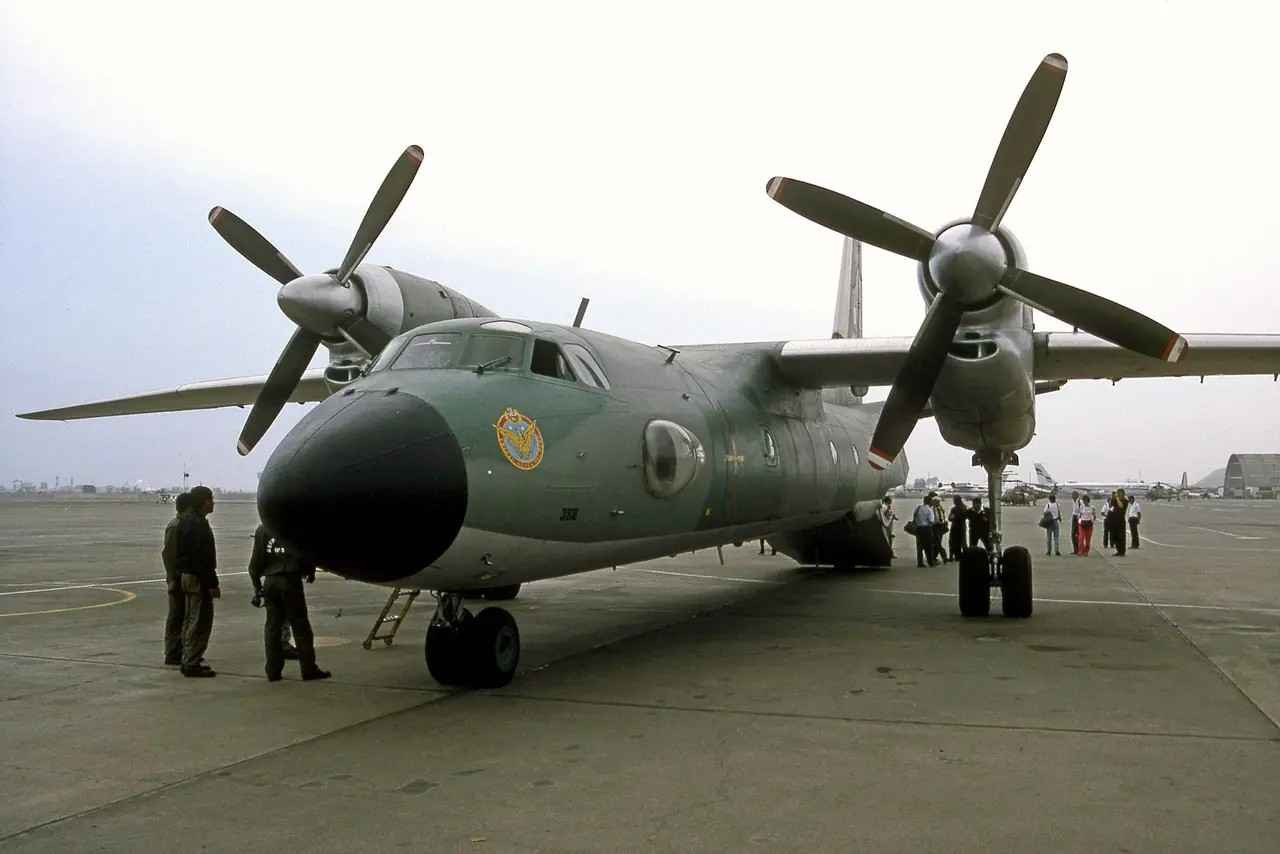
The performance improvements aren’t just theoretical. Pilots who have flown both the An-26 and An-32 often note a dramatic difference in how the aircraft handles during hot-and-high operations. Where older aircraft would need reduced payloads or longer runways, the An-32 could maintain more of its operational capability. This performance edge has kept the aircraft relevant for military logistics missions that require dependable lift capacity regardless of environmental extremes.
Global Operators and Military Usage
The Antonov An-32 has served in the air forces of numerous countries since its introduction, with India being one of its largest and most consistent operators. The Indian Air Force has used the aircraft extensively for troop transport, cargo delivery, and resupply missions across the challenging terrain of the northern border regions. Beyond India, the aircraft has seen service in countries across Africa, Asia, Latin America, and Eastern Europe.
Military forces have valued the An-32 for several practical reasons:
- Its ability to operate from short, rough, or semi-prepared airstrips
- Strong performance in hot and high-altitude conditions
- A cargo hold large enough for vehicles, artillery pieces, and bulk supplies
- Proven reliability across decades of continuous service
- Relatively straightforward maintenance requirements compared to more complex aircraft
This widespread adoption reflects how well the aircraft’s original design goals matched real-world operational needs. Even as newer transport aircraft have entered service worldwide, many operators have chosen to modernize and retain their An-32 fleets rather than replace them entirely, a testament to the airframe’s enduring value.
Technical Specifications Overview
Understanding the technical profile of the Antonov An-32 helps explain why it remains operationally relevant. The table below summarizes some of its key specifications, offering a snapshot of what makes this aircraft distinct from other transport planes in its class.
| Specification | Details |
|---|---|
| Crew | 3 (pilot, co-pilot, navigator) |
| Maximum Payload | Approximately 6,700 kg |
| Cruise Speed | Around 470 km/h |
| Service Ceiling | Approximately 9,400 meters |
| Range (with max payload) | Roughly 1,200 km |
| Engines | Two Ivchenko AI-20D turboprops |
| Takeoff Distance | Short-field capable, under 1,000 meters |
These figures illustrate why the aircraft has remained so useful for military and humanitarian operators alike. Its combination of decent range, respectable payload capacity, and short-field performance makes it versatile enough for a wide variety of mission profiles, from routine cargo runs to emergency relief operations in disaster-stricken areas.
Modernization Efforts and Upgrades
As the original Antonov An-32 airframes have aged, several operators have invested in modernization programs to extend their service life. India, for example, has undertaken extensive upgrade initiatives involving avionics improvements, updated navigation systems, and structural refurbishments to keep its fleet airworthy well into the future. These upgrades often include modern glide slope indicators, improved radar systems, and enhanced cockpit displays that bring the aircraft closer to contemporary aviation standards.
Other operators have pursued similar paths, recognizing that replacing an entire fleet of specialized aircraft is often more expensive and logistically complex than upgrading existing airframes. Structural life-extension programs have also become common, addressing fatigue concerns in aircraft that have logged tens of thousands of flight hours under demanding operational conditions.
This willingness to invest in modernization speaks volumes about the aircraft’s continued strategic value. Rather than being phased out entirely, many Antonov An-32 units have received new engines, updated instrumentation, and reinforced components, allowing them to remain active well beyond their originally projected service lifespans.
Humanitarian and Civilian Applications
While primarily known as a military transport, the Antonov An-32 has also played meaningful roles in humanitarian and civilian operations. Its ability to reach remote locations with minimal infrastructure makes it valuable for disaster relief efforts, medical supply drops, and emergency evacuations in areas inaccessible to larger aircraft. Various United Nations missions and relief organizations have chartered An-32 aircraft for exactly these purposes.
In mountainous or war-torn regions, where paved runways may not exist or may have been damaged, the aircraft’s short-field capability becomes a lifesaving asset. Supplies that would otherwise take days to reach isolated communities by ground transport can be delivered within hours by air. This dual-purpose functionality, serving both military and humanitarian needs, has broadened the aircraft’s overall value proposition and cemented its reputation as a genuinely versatile transport platform.
Challenges and Safety Considerations
Like any aircraft with a long operational history, the Antonov An-32 has faced scrutiny regarding safety and maintenance standards, particularly as airframes age. Some operators have experienced incidents linked to mechanical failures or challenging environmental conditions, prompting renewed focus on inspection protocols and maintenance discipline. Aviation safety experts generally agree that with proper upkeep, the aircraft remains a fundamentally sound design.
Nonetheless, operators are increasingly aware that sustaining an aging fleet requires consistent investment in spare parts, trained maintenance crews, and rigorous inspection schedules. Countries operating large fleets have had to balance the aircraft’s proven capabilities against the practical realities of keeping decades-old technology airworthy and safe for continued service.
Conclusion
The Antonov An-32 represents a remarkable achievement in aviation engineering, born from a very specific need to conquer altitude and heat that grounded other transport aircraft. Its powerful engines, rugged airframe, and short-field capabilities have allowed it to serve faithfully across military and humanitarian missions for more than four decades. While newer transport aircraft continue to emerge, the enduring presence of the An-32 in active service fleets worldwide proves that thoughtful engineering can outlast changing technology trends. As modernization programs extend its operational life even further, the Antonov An-32 stands as a lasting example of how purpose-built design can meet real-world challenges long after an aircraft’s initial production run has ended.
Leave a Reply