
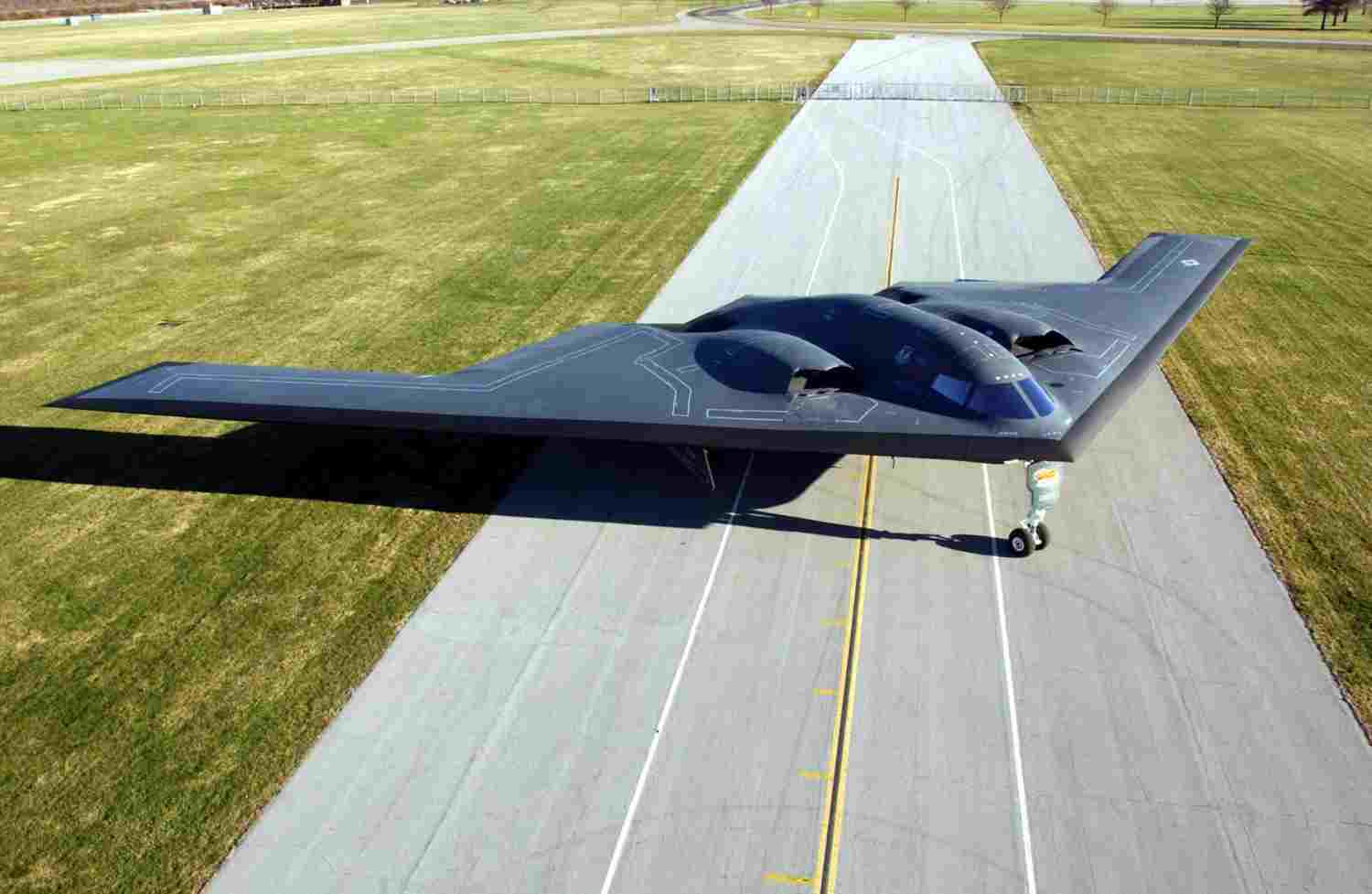
The term b2 fighter jet is widely searched online, even though the aircraft it refers to is technically a strategic stealth bomber rather than a traditional fighter. Built by Northrop Grumman during the Cold War era, this aircraft was designed to penetrate heavily defended airspace without being detected by enemy radar systems. Its distinctive flying-wing shape was not just for aesthetics; it was a calculated engineering decision aimed at minimizing radar cross-section while maintaining aerodynamic efficiency. Many people casually refer to it as a fighter because of its sleek, futuristic appearance, but its actual role revolves around long-range bombing missions rather than close-range aerial combat. Understanding this distinction helps clarify why this aircraft remains one of the most talked-about subjects in aviation history, despite the naming confusion that persists among casual enthusiasts and search engine users alike.
Why People Often Call It a Fighter Jet
Public fascination with military aircraft often blurs technical boundaries, and this is exactly why the b2 fighter jet label continues to circulate. The sleek silhouette, dark stealth coating, and futuristic design give it a fighter-like appearance, even though its mission profile is completely different. Fighter jets are generally built for speed, agility, and air-to-air combat, while this aircraft was engineered for stealth bombing runs over long distances. The confusion is understandable because most people associate advanced-looking military planes with fighter jets rather than bombers. Media coverage, video games, and documentaries have also contributed to this misconception by showcasing the aircraft alongside actual fighter jets in dramatic sequences. Despite the technical inaccuracy, the term has become part of everyday language, making it essential to explain both the truth and the popular perception in any detailed discussion of this iconic aircraft.
Design Features That Define Its Stealth Capability
The engineering behind the b2 fighter jet design is what truly sets it apart from conventional aircraft. Every curve, edge, and surface was carefully crafted to reduce radar visibility while maintaining structural integrity during high-altitude missions. The absence of a traditional tail section is one of the most notable design choices, contributing significantly to its unique stealth profile. Special radar-absorbent materials coat the exterior, further reducing the chances of detection by enemy defense systems. Internal weapon bays replace external hardpoints, ensuring that munitions do not disrupt the smooth aerodynamic shape needed for stealth performance. These design choices reflect decades of research into low-observable technology, making the aircraft a benchmark for future stealth developments. Even today, newer aircraft borrow design philosophies first introduced through this program, proving its lasting influence on modern military engineering standards.
Performance and Operational Range
Beyond its stealth capabilities, the b2 fighter jet is recognized for its impressive operational range and payload capacity. It can travel thousands of miles without refueling, and with aerial refueling support, its range becomes nearly limitless for extended missions. This capability allows military planners to launch missions from domestic bases and reach distant targets without relying on forward operating locations. The aircraft can carry a mix of conventional and precision-guided munitions, making it adaptable to various mission requirements. Its ability to operate at high altitudes while remaining undetected gives military strategists a significant tactical advantage. Below is a simplified table highlighting some key performance aspects often discussed in relation to this aircraft, offering a quick reference for readers interested in its technical profile without diving into overly complex specifications.
| Feature | Description |
|---|---|
| Primary Role | Long-range stealth bombing |
| Range | Thousands of miles, extendable with refueling |
| Stealth Technology | Radar-absorbent coating and flying-wing design |
| Payload | Mix of conventional and guided munitions |
| Crew | Typically two pilots |
| Altitude Capability | High-altitude operations for reduced detection |
Why Stealth Technology Matters in Modern Warfare
Stealth technology has reshaped how military strategists approach modern warfare, and the b2 fighter jet remains a prime example of this transformation. In earlier decades, aircraft relied heavily on speed and firepower to survive enemy defenses. However, as radar systems became more advanced, the need for aircraft that could avoid detection altogether became a priority. Stealth design reduces the chances of being targeted by surface-to-air missiles and enemy interceptors, allowing missions to be completed with lower risk. This shift in strategy has influenced how nations invest in defense technology, prioritizing invisibility over brute force. The success of stealth-focused aircraft has encouraged further research into low-observable technology across various military branches, proving that avoiding conflict altogether is often more valuable than winning a direct confrontation through overwhelming force.
Common Misconceptions About This Aircraft
Despite its popularity, several misconceptions surround the b2 fighter jet, often stemming from its portrayal in movies, video games, and casual conversations. Many assume it functions like a dogfighting aircraft capable of engaging enemy planes directly, which is far from accurate.
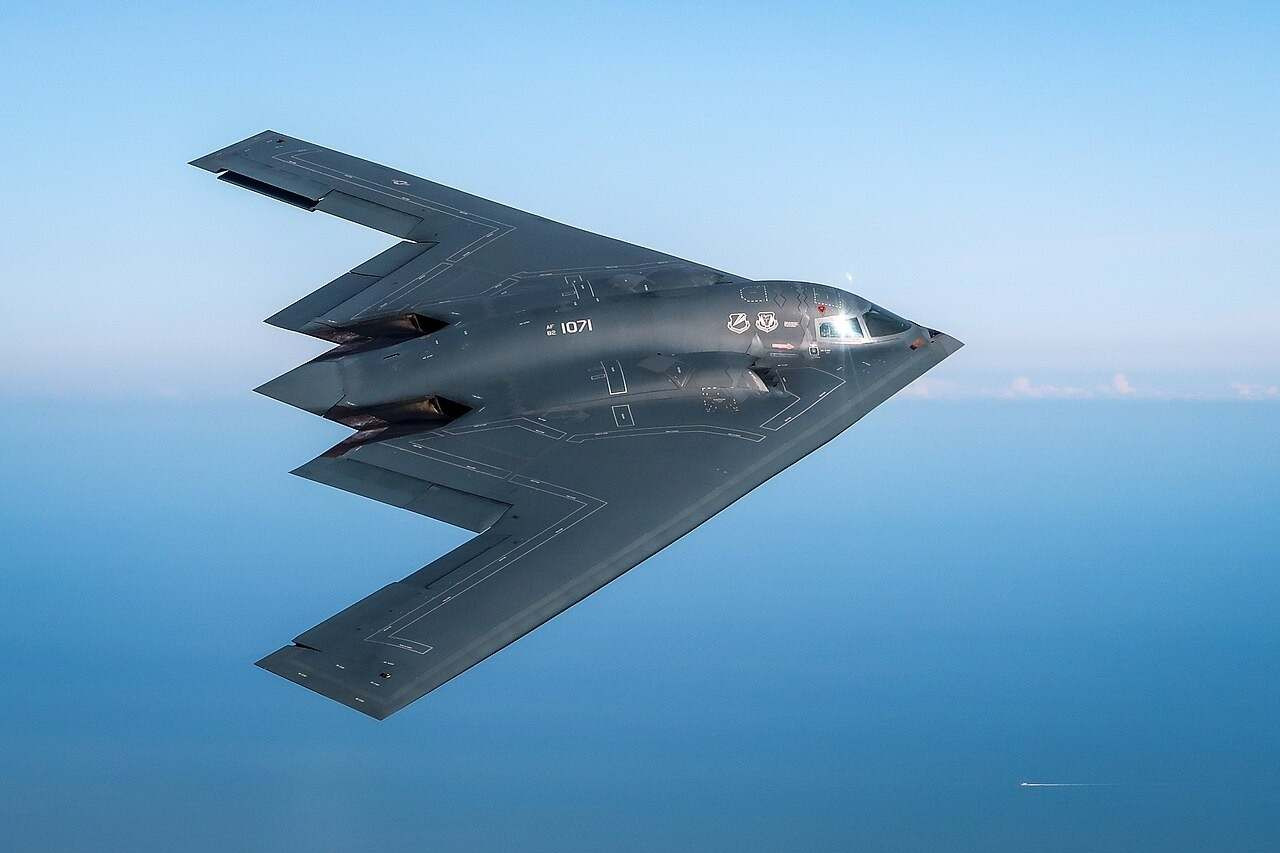
Others believe it is primarily used for short-range missions, when in reality, its design favors long-distance operations. Some people also assume it operates without any human crew, confusing it with unmanned aerial vehicles. Clarifying these misconceptions helps readers appreciate the aircraft’s true purpose and engineering brilliance. Below are some common misunderstandings worth addressing:
- Believing it is designed for aerial dogfights rather than bombing missions
- Assuming it is unmanned when it is actually piloted by a two-person crew
- Thinking stealth means invisibility rather than radar-evasion technology
- Confusing its role with reconnaissance aircraft instead of strategic bombers
The Cultural Impact of the Aircraft
Few military aircraft have captured public imagination quite like the b2 fighter jet, appearing in documentaries, air shows, and even patriotic events. Its futuristic design has made it a symbol of technological advancement, often associated with national pride and military strength. Aviation enthusiasts frequently discuss its historical significance, while newer generations discover it through digital media and educational content. Air shows featuring this aircraft draw massive crowds, eager to witness its unique flying-wing silhouette in person. Its cultural presence extends beyond military circles, influencing everything from toy models to video game design. This widespread recognition demonstrates how advanced military technology can transcend its original purpose, becoming a symbol of innovation that resonates with the general public long after its initial development and deployment into active service.
Maintenance and Operational Challenges
Operating an aircraft as advanced as the b2 fighter jet comes with significant maintenance challenges that are rarely discussed outside specialized military circles. The radar-absorbent coating requires careful upkeep, as even minor damage can compromise its stealth effectiveness. Climate-controlled hangars are often necessary to protect the aircraft’s exterior from environmental wear. Highly trained maintenance crews spend considerable time inspecting every inch of the aircraft before and after missions to ensure optimal performance. These operational demands highlight the complexity behind maintaining stealth capabilities, proving that cutting-edge technology often requires equally advanced logistical support. Understanding these challenges gives readers a deeper appreciation for the resources and expertise required to keep such an aircraft mission-ready at all times.
Future of Stealth Aircraft Development
As military technology continues evolving, discussions about the b2 fighter jet often extend into conversations about future stealth aircraft development. Engineers continue exploring ways to enhance radar evasion, improve fuel efficiency, and integrate advanced avionics systems into next-generation designs. Emerging technologies such as artificial intelligence and unmanned systems are also influencing how future bombers and fighters are conceptualized. While this particular aircraft remains a benchmark, newer programs aim to build upon its legacy while addressing modern combat requirements. The lessons learned from decades of operating this aircraft continue shaping defense strategies worldwide, proving that its influence extends far beyond its original service period into the broader future of aerospace innovation and national defense planning.
Conclusion
The story behind the b2 fighter jet is one of innovation, misunderstanding, and lasting influence on modern military aviation. While technically classified as a stealth bomber rather than a fighter, its futuristic design and advanced capabilities have cemented its place in aviation history. From its radar-evading technology to its long-range operational capacity, this aircraft represents decades of engineering excellence aimed at redefining modern warfare strategies. Understanding its true purpose, dispelling common misconceptions, and appreciating its cultural significance offer a well-rounded perspective on why this aircraft continues to capture public interest. As stealth technology evolves, the legacy of this remarkable aircraft will undoubtedly continue influencing future generations of military aviation for years to come.
Leave a Reply