Military aviation has changed dramatically over the past two decades, and the race to build the best fighter jet in the world now revolves around far more than raw speed or firepower. Modern air combat depends on sensor fusion, network connectivity, radar-evading design, and the ability to strike targets before an enemy even detects the aircraft. A jet that once relied purely on maneuverability now has to survive in an environment filled with long-range missiles, satellite tracking, and integrated air defense systems.
Air forces around the globe measure aircraft performance using a mix of factors: stealth signature, avionics quality, payload capacity, engine thrust, and pilot support systems like helmet-mounted displays. When people search for the best fighter jet in the world, they are usually asking which aircraft combines survivability with lethality most effectively, not simply which one flies the fastest. This shift in thinking has pushed manufacturers to prioritize software, sensors, and stealth coatings just as much as airframe design.
Key Features That Separate Elite Fighter Jets From the Rest
Not every advanced aircraft deserves to be called the best fighter jet in the world. Several measurable qualities separate a genuinely elite platform from a merely capable one. These qualities include how well the jet avoids detection, how much information it can process in real time, and how effectively it can operate alongside other military assets.
Some of the most important features include:
- Low radar cross-section achieved through shaping and radar-absorbent materials
- Advanced AESA radar systems capable of tracking multiple targets simultaneously
- Sensor fusion that merges data from radar, infrared, and electronic warfare systems into one display
- High thrust-to-weight ratio allowing rapid acceleration and sustained maneuvering
- Long-range precision weapons that can engage targets beyond visual range
- Secure data-link networks that connect the jet with satellites, ground units, and other aircraft
These traits work together rather than in isolation. A jet with excellent stealth but poor sensor integration will struggle just as much as one with powerful radar but a large radar signature. The strongest platforms balance every category instead of excelling in only one.
Leading Contenders for the Title
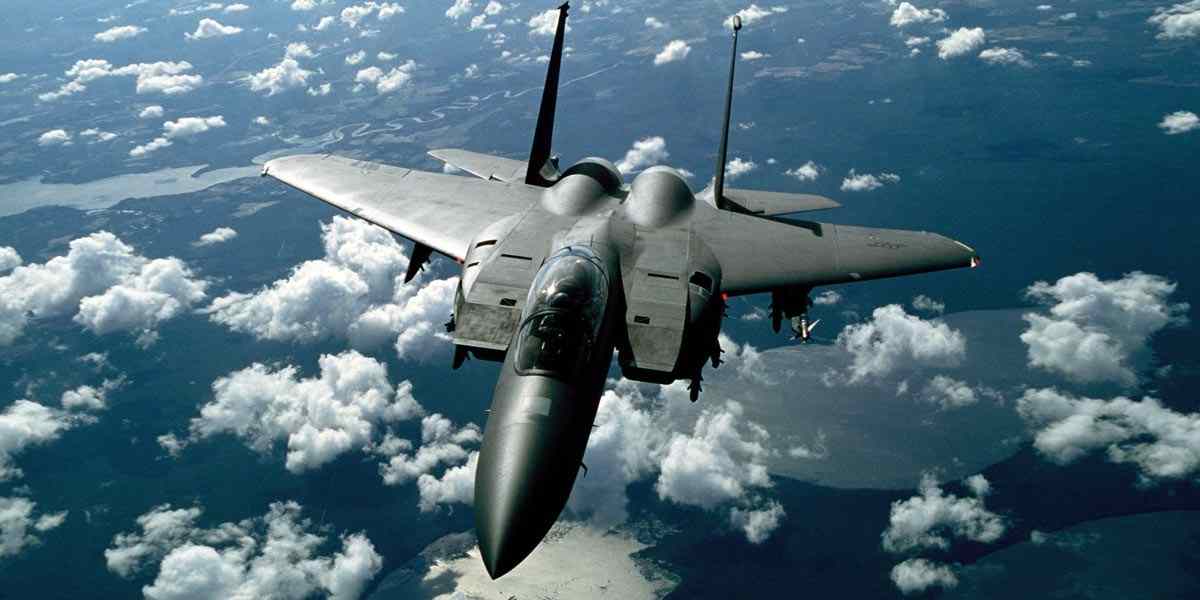
Several aircraft are frequently discussed when experts debate the best fighter jet in the world, and each brings a different strength to the conversation. The American fifth-generation multirole fighter remains a benchmark for stealth and networked warfare, thanks to its ability to share targeting data across allied forces instantly. Its twin-engine counterpart, designed primarily for air superiority, is prized for its exceptional maneuverability and radar-evading airframe, even though it carries a higher price tag and smaller production numbers.
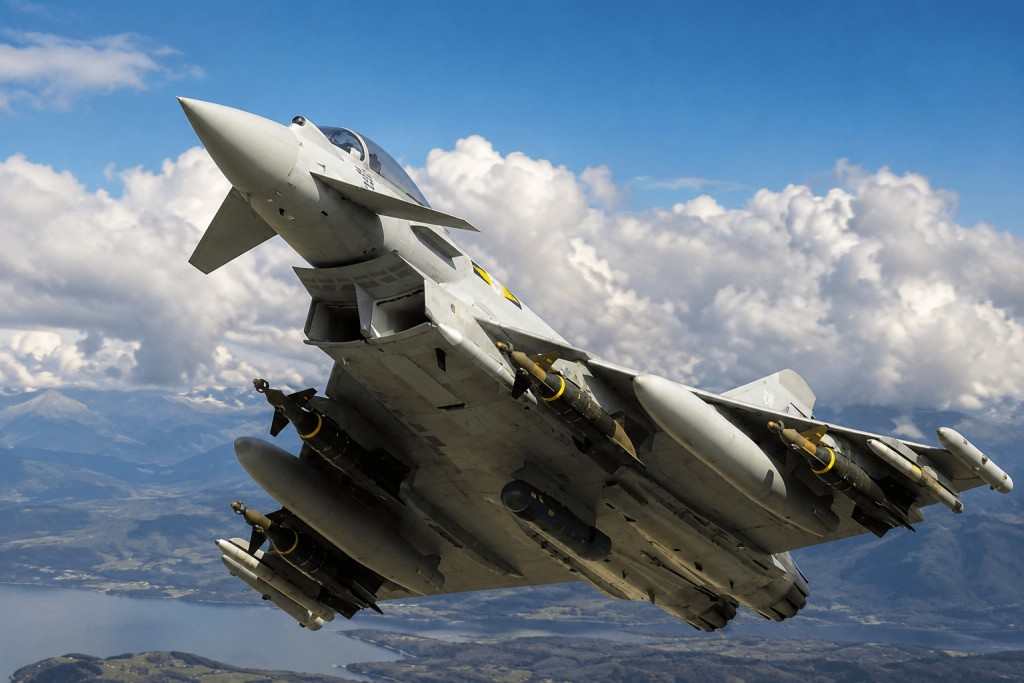
On the other side of the globe, Russia has developed a heavy air-superiority fighter that blends supercruise capability with thrust-vectoring engines, giving it unusual agility in close combat. China has also entered the conversation with a stealth fighter designed for long-range interception and airspace denial, reflecting a strategic focus on controlling contested regions rather than close-in dogfighting. Meanwhile, European manufacturers continue producing highly capable 4.5-generation fighters that, while not stealth-optimized, offer outstanding reliability, weapons flexibility, and lower operating costs, making them attractive to a wide range of air forces.
Comparing the Top Fighter Jets at a Glance
The table below offers a simplified comparison of some of the most talked-about aircraft in modern military aviation. It highlights general characteristics rather than classified performance data, since exact specifications vary based on configuration and mission type.
| Aircraft Type | Generation | Primary Role | Stealth Level | Notable Strength |
|---|---|---|---|---|
| Stealth Multirole Fighter | Fifth | Strike and air superiority | Very high | Networked situational awareness |
| Twin-Engine Air Superiority Jet | Fifth | Air dominance | Very high | Maneuverability and speed |
| Heavy Supercruise Fighter | Fifth (partial) | Air superiority | Moderate | Thrust vectoring agility |
| Long-Range Interceptor | Fifth | Airspace denial | High | Extended combat radius |
| European 4.5-Gen Multirole | 4.5 | Multirole operations | Low to moderate | Cost efficiency and reliability |
This comparison shows that no single design wins across every category, which is exactly why debates over the best fighter jet in the world continue among analysts, pilots, and defense planners. Each aircraft was built with different national priorities in mind, whether that means global power projection, regional defense, or cost-effective fleet modernization.
Why Stealth Technology Plays Such a Major Role
Stealth has become one of the most decisive factors in identifying the best fighter jet in the world, and for good reason. A fighter that can approach a target undetected gains a massive tactical advantage, often striking before the opposing side can react. Stealth is achieved through a combination of angular airframe shaping, internal weapons bays, radar-absorbent coatings, and reduced heat signatures from the engines.
However, stealth alone does not guarantee superiority. Radar technology continues to evolve, and some low-frequency radar systems claim improved detection against certain stealth shapes. This has pushed manufacturers to combine stealth with electronic warfare capabilities, allowing jets to jam or deceive enemy sensors even if they are partially detected. As a result, true air dominance now depends on layered defense: stealth to reduce detection range, electronic countermeasures to confuse remaining sensors, and long-range weapons to strike before the enemy can respond effectively.
The Role of Avionics and Pilot Interfaces
Beyond stealth and weapons, avionics quality has become a defining trait of any aircraft aiming to be called the best fighter jet in the world. Modern cockpits are built around large touchscreen displays, voice-activated systems, and helmet-mounted sights that allow pilots to target enemies simply by looking at them. These systems reduce a pilot’s workload dramatically, letting them focus on tactical decisions instead of managing multiple instruments manually.
Sensor fusion technology plays an equally important role. Instead of separate displays for radar, infrared tracking, and electronic warfare data, advanced jets merge all of this information into a single, simplified picture. This allows pilots to make faster decisions during high-stress combat scenarios. Some newer platforms even use artificial intelligence to assist with target prioritization, threat assessment, and mission planning, further increasing the effectiveness of the aircraft without requiring additional pilot training.
Engine Power and Maneuverability Still Matter
While stealth and sensors dominate discussions, raw performance still influences which aircraft is considered the best fighter jet in the world in close-combat situations. High thrust-to-weight ratios allow fighters to accelerate quickly, climb rapidly, and maintain energy during aggressive maneuvers. Some fighters use thrust-vectoring nozzles, which let the aircraft point its engine exhaust in different directions, enabling extreme turns that would be impossible with traditional fixed nozzles.
Supercruise capability, or the ability to sustain supersonic speeds without using fuel-hungry afterburners, is another major advantage. It allows fighters to cover long distances quickly while conserving fuel, giving them extended range during high-speed intercept missions. Combined with high-g maneuverability, these performance traits ensure that even in an era dominated by missiles and stealth, close-range dogfighting capability remains a relevant consideration for military planners.
Cost, Maintenance, and Real-World Practicality
An aircraft’s technical brilliance means little if it cannot be maintained affordably or deployed in large numbers. This is why many defense analysts argue that practicality should weigh heavily when evaluating the best fighter jet in the world. Stealth coatings require specialized maintenance, advanced avionics need constant software updates, and complex engines demand highly trained technicians.
Some countries prioritize fleet size and operational readiness over cutting-edge stealth, choosing 4.5-generation fighters that are cheaper to operate and easier to repair. Others accept higher costs in exchange for superior survivability and long-term strategic advantage. There is no universally correct approach, since national defense needs, budget constraints, and geopolitical threats vary widely between countries. This is one reason why more than one aircraft can reasonably claim a place near the top of global fighter rankings.
Final Thoughts
Determining the best fighter jet in the world ultimately depends on the criteria used for comparison, whether that means stealth performance, dogfighting agility, network capability, or cost efficiency. Fifth-generation stealth fighters currently dominate discussions due to their combination of low detectability and advanced sensor fusion, but heavy air-superiority jets and reliable 4.5-generation platforms continue to play essential roles in global air forces.
As radar technology, electronic warfare, and artificial intelligence continue to evolve, the definition of dominance in the skies will keep shifting. What remains constant is the need for a balanced platform that blends survivability, lethality, and practicality. Whether judged by stealth, speed, or strategic value, the conversation around the best fighter jet in the world will remain one of the most closely watched topics in modern military aviation for years to come.
Leave a Reply