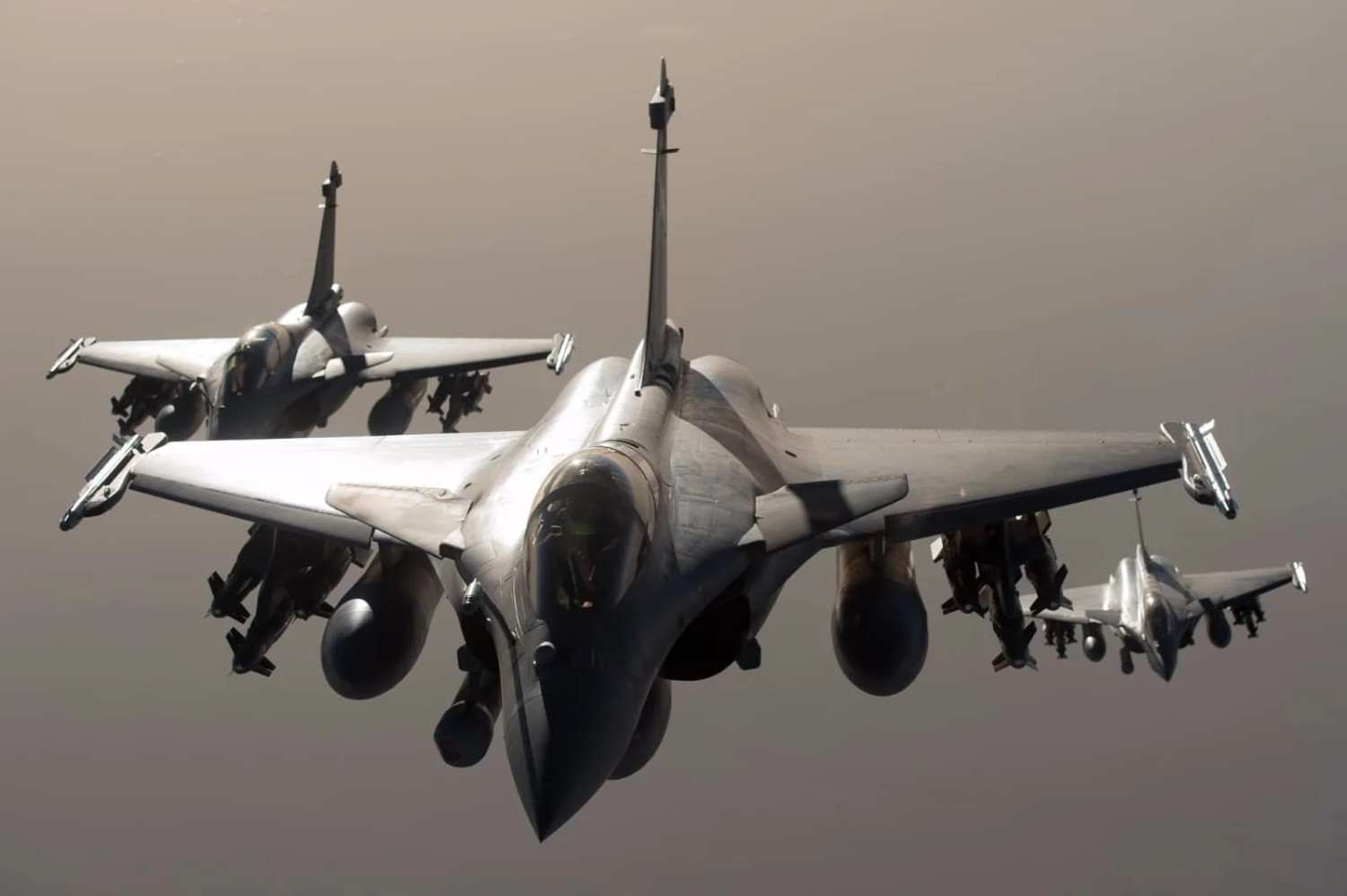
Few combat aircraft have earned as much international attention as the Dassault Rafale. Built by the French company Dassault Aviation, this twin-engine, delta-wing fighter jet was designed to handle nearly every type of aerial mission a modern air force might require. From air superiority and ground attack to reconnaissance and nuclear deterrence, the aircraft was engineered as a true multirole platform rather than a specialist built for a single job.
The name itself, meaning “gust of wind” in French, reflects the aircraft’s agility and speed. Since entering service with the French Air Force and Navy in the early 2000s, the jet has steadily built a reputation for reliability, adaptability, and combat effectiveness. Its journey from a domestic defense project to a globally exported fighter says a great deal about how far French aerospace ambitions have come, and why several nations now trust it to guard their skies.
Origins and Development Background
The story of this fighter begins in the 1980s, when France decided to withdraw from a joint European fighter program and pursue its own independent path. This decision led to the creation of a homegrown aircraft that could satisfy the unique requirements of French armed forces while remaining exportable to allied nations. Development took years of testing, funding negotiations, and engineering refinement before the aircraft reached operational maturity.
Unlike some contemporaries built primarily for a single service branch, this fighter was designed from the outset to serve both the air force and the navy, including carrier-based operations. That dual-purpose requirement shaped much of its structural design, giving it reinforced landing gear and a compact airframe suitable for aircraft carrier decks. The result was a jet capable of operating in vastly different environments without major structural changes between variants.
Design Philosophy and Airframe
At the heart of the aircraft’s design is a delta-wing configuration paired with canards positioned near the cockpit. This layout provides exceptional maneuverability, particularly at high angles of attack, while also improving low-speed handling during landing and takeoff. The compact, aerodynamically efficient shape reduces radar cross-section to some degree, though the aircraft was never intended to be a stealth platform in the way some fifth-generation jets are.
Constructed largely from carbon fiber composites, the airframe balances strength with reduced weight, contributing to better fuel efficiency and payload capacity. The Dassault Rafale can carry a substantial weapons load across fourteen hardpoints, allowing pilots to configure the aircraft for air-to-air combat, precision ground strikes, or a mixed loadout depending on mission needs. This flexibility is one of the defining characteristics that separates it from older single-purpose fighters.
Powerplant and Performance Capabilities
Two Snecma M88 turbofan engines power the aircraft, each equipped with afterburners that allow supersonic flight. These engines were specifically developed to give the fighter strong thrust-to-weight performance, enabling rapid acceleration and sustained maneuvering during dogfights. The propulsion system also supports supercruise-like efficiency at certain altitudes, reducing fuel consumption during extended patrol missions.

Performance figures place the aircraft among the more capable fighters of its generation. It can reach speeds exceeding Mach 1.8, operate at altitudes above 50,000 feet, and maintain a combat radius that supports deep-strike missions without constant refueling. Pilots consistently praise its responsiveness during high-G maneuvers, a trait largely attributed to its fly-by-wire flight control system working in tandem with the canard-delta wing arrangement.
Advanced Avionics and Sensor Suite
Modern air combat depends heavily on situational awareness, and this is where the aircraft truly distinguishes itself. It features the RBE2 active electronically scanned array radar, which allows simultaneous tracking of multiple aerial and ground targets with high precision. Paired with the SPECTRA electronic warfare system, the fighter can detect, jam, and evade threats without relying solely on stealth characteristics.
The cockpit itself reflects a philosophy of reducing pilot workload through automation and intuitive displays. A wide-angle head-up display, touchscreen controls, and voice recognition capabilities allow pilots to manage complex mission data quickly. Sensor fusion technology combines information from radar, infrared search and track systems, and data links into a single coherent picture, giving pilots a clearer understanding of the battlespace than earlier generation cockpits could offer.
Weapons and Mission Versatility
One of the strongest selling points of this aircraft is its ability to switch roles mid-mission. A single sortie can involve air-to-air engagements followed immediately by precision ground attacks, something not all fighters handle with equal efficiency. This versatility comes from both its avionics suite and its extensive compatibility with a wide range of munitions.
Typical weapons carried include:
- Meteor beyond-visual-range air-to-air missiles
- MICA short and medium-range missiles
- SCALP cruise missiles for deep-strike operations
- AASM precision-guided bombs
- Exocet anti-ship missiles for naval strike roles
This broad weapons compatibility means operators do not need separate aircraft types for different mission categories, which simplifies logistics and reduces overall fleet costs. The Dassault Rafale essentially functions as several specialized aircraft rolled into one airframe.
Variants Built for Different Roles
The aircraft comes in three primary variants, each tailored to specific operational needs. The single-seat version serves as the primary air force variant, optimized for a solo pilot managing all mission systems. A two-seat trainer and combat variant allows shared workload during complex missions, often used for deep-strike planning where a second crew member manages sensors and targeting. The naval variant, reinforced for carrier operations, includes a strengthened undercarriage and specialized arresting gear for shipboard landings.
| Variant | Primary User | Key Feature |
|---|---|---|
| Single-seat (C) | Air Force | Solo pilot, full combat role |
| Two-seat (B) | Air Force | Shared crew workload, training |
| Naval (M) | Navy | Carrier-capable, reinforced gear |
This variant structure allows a single design philosophy to serve multiple branches of the military without requiring entirely separate development programs, saving both time and resources during production.
Global Operators and Export Success
While originally built for French forces, the aircraft has found considerable success on the export market. Several nations across the Middle East and Asia have selected it as their frontline fighter, valuing its combat-proven track record and multirole flexibility. Export success has also strengthened diplomatic and defense partnerships between France and the purchasing nations, often including technology transfer agreements and local training programs.
Countries operating the aircraft include:
- France, as the original developer and largest operator
- Egypt, an early export customer
- Qatar, operating a modernized fleet
- India, which integrated it into its air force with domestic customizations
- Indonesia and Greece, more recent additions to the operator list
Each export deal typically includes tailored modifications to suit local operational requirements, whether that involves specific weapons integration, communication systems, or climate-related adjustments for extreme operating environments.
Combat Record and Real-World Performance
Unlike aircraft that exist primarily on paper or in testing environments, this fighter has seen genuine combat deployment. French forces have used it in various overseas operations, including missions over conflict zones in the Middle East and North Africa. These deployments provided valuable real-world data on reliability, maintenance needs, and combat effectiveness under actual operational pressure rather than controlled test conditions.
Pilots and military analysts frequently note the aircraft’s dependability during extended deployments, a quality that matters as much as raw performance specifications. High sortie rates with relatively low maintenance downtime have reinforced its reputation as a dependable workhorse rather than a fragile, high-maintenance showpiece. This combat-tested credibility has played a meaningful role in convincing export customers to choose it over rival platforms during competitive bidding processes.
Comparing It to Rival Fighters
When placed alongside competitors from other nations, the aircraft holds its own in most performance categories while offering distinct advantages in operational flexibility. Unlike some rivals optimized heavily for stealth at the expense of payload or range, this fighter prioritizes a balanced approach, strong sensor capability, respectable radar cross-section reduction, and substantial weapons flexibility working together rather than one trait dominating the others.
This balanced philosophy appeals particularly to nations that need a single aircraft type capable of covering diverse mission profiles rather than maintaining separate specialized fleets. For countries with limited defense budgets but broad security requirements, this practicality often outweighs the marginal stealth advantages offered by more expensive alternatives.
Looking Toward Future Upgrades
Dassault Aviation continues to invest in upgrading the platform rather than retiring it in favor of an entirely new design. Ongoing enhancements focus on improved radar processing, expanded electronic warfare capabilities, and integration of newer precision munitions as they become available. This iterative upgrade path allows existing operators to extend the service life of their fleets without the enormous cost of purchasing entirely new aircraft.
Future development also explores deeper integration with unmanned systems, allowing manned fighters to coordinate with drone wingmen during complex missions. This human-machine teaming concept represents where much of modern air combat doctrine is heading, and the aircraft’s modular avionics architecture positions it well to adapt as these technologies mature over the coming years.
Final Thoughts
The Dassault Rafale stands as a testament to what focused, adaptable engineering can achieve in modern military aviation. From its origins as a French-only defense project to its current status as a respected export fighter flown by multiple nations, it has proven that versatility and reliability often matter more than chasing a single specialized trait. Its combination of agile airframe design, advanced sensor fusion, and broad weapons compatibility ensures it remains relevant even as newer aircraft generations emerge.
As global defense needs continue evolving, the Dassault Rafale demonstrates that a well-rounded, continuously upgraded platform can compete effectively against purpose-built stealth fighters and next-generation designs alike. Its ongoing combat deployments, expanding operator list, and steady technological upgrades suggest this aircraft will remain a significant presence in international skies for many years to come, reinforcing France’s standing as a serious player in the global defense aerospace industry.
Leave a Reply