

For decades, flight has run almost entirely on jet fuel, but that picture is changing fast. Electric planes have moved from concept sketches to real test flights, with several companies now flying prototypes carrying meaningful passenger loads. What was once dismissed as a niche experiment is now backed by billions in investment, government climate targets, and airline pre-orders. The shift is being driven by a simple pressure point: aviation accounts for a significant share of global transport emissions, and regulators are pushing hard for alternatives.
Unlike electric cars, which had a relatively smooth path to mainstream adoption, aircraft face unique challenges around weight, safety certification, and range. Batteries are heavy, and every extra kilogram cuts into how far a plane can fly. Even so, engineers have made surprising progress, and short-haul routes are increasingly seen as the first realistic frontier for battery-powered flight. The next few years will determine whether this momentum turns into everyday reality for travelers.
How Electric Planes Actually Work
At their core, electric planes replace traditional jet engines or piston engines with electric motors powered by onboard batteries, hydrogen fuel cells, or a hybrid combination of both. Instead of burning fuel to generate thrust, these aircraft draw stored electrical energy to spin propellers or fans. This design eliminates direct carbon emissions during flight and dramatically reduces noise, since electric motors run far quieter than combustion engines.
There are generally three approaches being tested across the industry:
- Fully battery-electric aircraft, which rely entirely on rechargeable battery packs
- Hybrid-electric aircraft, which combine a small combustion engine or generator with electric propulsion for extended range
- Hydrogen-electric aircraft, which use fuel cells to generate electricity onboard rather than storing it in heavy batteries
Each approach comes with trade-offs. Battery-only designs are simplest but limited by weight and charging time, while hydrogen systems offer better range potential but require entirely new fueling infrastructure at airports.
The Companies Leading the Charge
A handful of aerospace companies have become synonymous with progress in this space. Heart Aerospace, a Swedish startup, recently flew the largest all-electric aircraft ever built, a demonstrator weighing over 25,000 pounds, marking a major leap beyond small experimental prototypes. This milestone matters because it proves that electric propulsion can scale beyond tiny two-seat trainers into something resembling a real regional airliner.
Other players are pursuing different strategies. ZeroAvia has focused on hydrogen-electric propulsion for aircraft carrying forty to eighty passengers, targeting operational routes within the next couple of years. German startup Vaeridion is building smaller regional aircraft designed for distances under 500 kilometers, betting that short intra-European hops are the most practical entry point. Meanwhile, urban air mobility companies like Joby Aviation and Archer Aviation are advancing electric vertical takeoff and landing aircraft, which could eventually shuttle passengers between city centers and airports without needing a traditional runway at all.
Why Airlines and Governments Are Paying Attention
The appeal of electric planes goes beyond environmental branding. Airlines see genuine operational advantages, including lower maintenance costs since electric motors have far fewer moving parts than jet turbines. Fuel costs also drop significantly when electricity replaces kerosene, and quieter aircraft could open up flight schedules at airports currently restricted by noise curfews.
Governments have added further momentum through binding climate commitments. Several Nordic countries have set targets to make domestic flights fossil-fuel-free within the next decade, creating a built-in market for early adopters. Major airlines have already placed substantial pre-orders for electric aircraft, signaling confidence that the technology will mature on schedule. This combination of environmental policy and commercial incentive is rare in aviation history, where safety regulations usually move far more slowly than market enthusiasm.
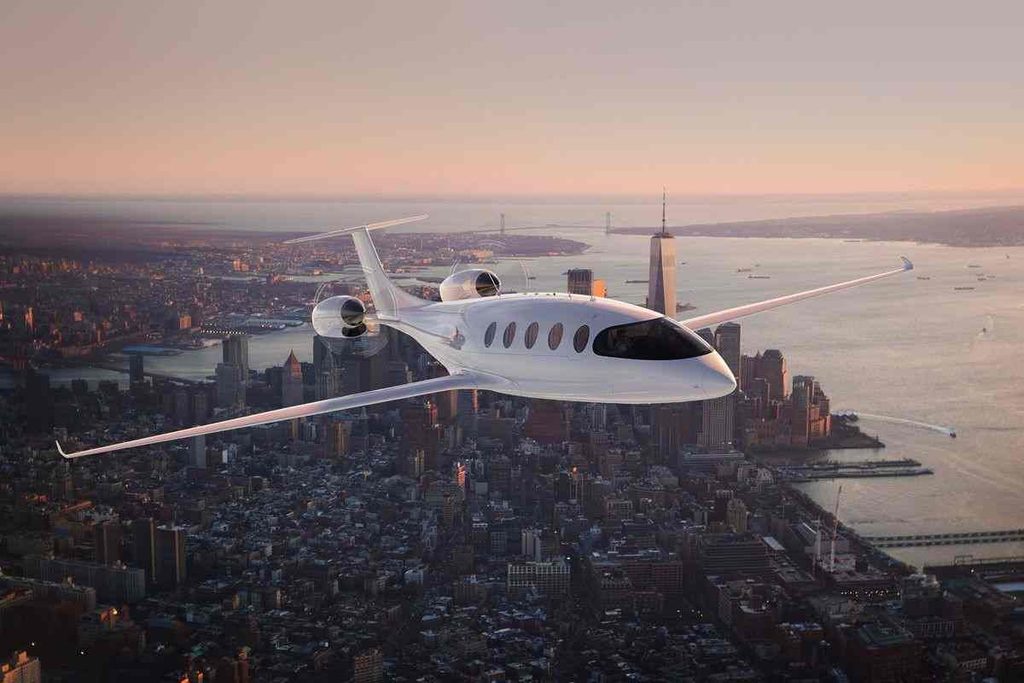
Regional airports also stand to benefit, since electric planes could revive short routes that became commercially unviable under high fuel costs, reconnecting smaller communities to broader transport networks.
Current Limitations Holding Back Widespread Adoption
Despite the excitement, electric planes still face real technical barriers before they become common at major airports. Battery energy density remains the biggest obstacle. Lithium-ion batteries store far less energy per kilogram than jet fuel, meaning aircraft need enormous battery packs just to fly modest distances, which in turn limits how many passengers or how much cargo they can carry.
Charging infrastructure is another hurdle. Airports would need substantial upgrades to their electrical grids to support fast charging for multiple aircraft simultaneously, and turnaround times between flights could be longer than travelers are used to. Certification is equally demanding, since aviation regulators require extensive safety testing before any new propulsion system can carry paying passengers commercially.
Here is a quick snapshot comparing the main propulsion approaches:
| Propulsion Type | Typical Range | Passenger Capacity | Key Advantage | Main Challenge |
|---|---|---|---|---|
| Battery-electric | 150–300 km | 2–30 seats | Zero direct emissions | Heavy batteries limit range |
| Hybrid-electric | 500–800 km | 30–50 seats | Extended range | Still uses some fuel |
| Hydrogen-electric | 400–700+ miles | 40–80 seats | Better energy density | New infrastructure needed |
| eVTOL (urban) | 50–150 km | 2–6 seats | No runway required | Battery cycle limits |
What the Next Decade Might Look Like
Industry analysts generally agree that electric planes will first appear on short regional routes rather than long-haul international flights. Distances under 500 kilometers, such as flights between neighboring cities or island hops, are the most realistic near-term application. As battery technology improves and energy density increases, ranges will gradually extend, but experts caution that fully electrifying large wide-body jets could still be many decades away given current rates of battery improvement.
Hybrid designs are likely to serve as a practical bridge during this transition, allowing airlines to reduce emissions without waiting for a complete battery breakthrough. Meanwhile, eVTOL aircraft designed for short urban hops may reach commercial passengers even sooner than fixed-wing regional planes, since their shorter flight times place less strain on current battery limitations. Manufacturers are also exploring solid-state battery chemistry, which could offer meaningfully better energy density than today’s lithium-ion cells if production challenges can be resolved at scale.
For travelers, this likely means the first real experience with electric planes will come through short commuter flights rather than vacation trips across oceans.
Practical Considerations for Travelers and Investors
Anyone following this space closely should keep a few realistic expectations in mind:
- Early electric plane routes will likely serve smaller regional airports rather than major international hubs
- Ticket prices on early routes may not drop immediately, since certification and infrastructure costs remain high
- Cargo and mail delivery routes could adopt electric aircraft faster than passenger services, given lower regulatory hurdles
- Noise reduction, not just emissions, will be a major selling point near residential areas close to airports
Investors watching the sector should note that timelines in aviation tend to slip due to strict safety certification, so patience is essential even when prototype flights generate exciting headlines.
Conclusoin
Electric planes represent one of the more genuinely promising shifts in modern transportation, even if the path to mainstream adoption remains gradual. The technology has already crossed important milestones, moving from small experimental aircraft to demonstrators capable of carrying dozens of passengers across meaningful distances. Battery limitations, infrastructure gaps, and certification timelines mean widespread commercial service is still a work in progress rather than an immediate reality.
Still, the direction is unmistakable. With growing government support, serious airline investment, and steady engineering progress, electric planes are no longer a distant fantasy but an emerging part of how short-haul air travel will function in the coming years. Whether through battery-electric regional aircraft, hydrogen-powered hybrids, or electric air taxis in cities, the aviation industry is clearly preparing for a future where the hum of jet engines gradually gives way to the quieter, cleaner sound of electric flight.
Leave a Reply