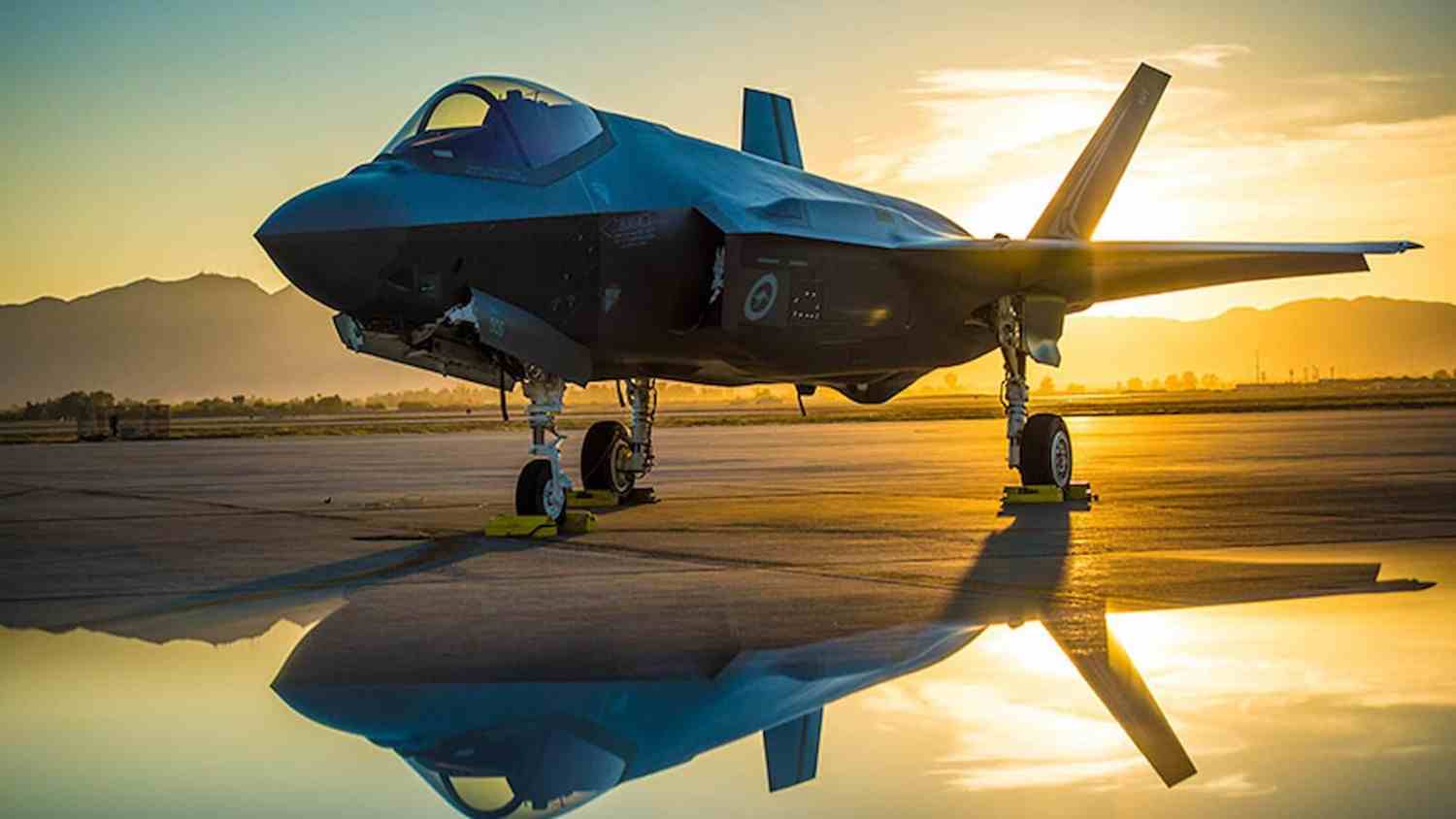
Few military aircraft have generated as much discussion, debate, and admiration as the F-35 fighter jet. Designed and built by Lockheed Martin, this fifth-generation multirole aircraft represents one of the most ambitious defense projects in modern history. It was developed not just for a single nation but as a joint program involving multiple allied countries, each seeking a versatile platform capable of handling air superiority, ground attack, and reconnaissance missions simultaneously.
Unlike older fighter jets that were often built for narrow purposes, the F-35 fighter jet was engineered from the ground up to be adaptable. It combines stealth characteristics, advanced sensors, and networked warfare capability into a single airframe. This adaptability has made it central to the air forces of the United States and its allies, reshaping how modern militaries think about air combat, deterrence, and coalition operations in contested environments.
The Origins and Purpose Behind Its Development
The story of the F-35 fighter jet begins with a simple but difficult challenge: how to replace multiple aging aircraft types with one family of jets without sacrificing performance. Previous generations of fighters were often specialized, meaning air forces needed separate designs for interception, close air support, and reconnaissance. This approach was expensive and logistically complex.
To solve this, the Joint Strike Fighter program was launched, bringing together military branches and international partners to fund and shape a single aircraft family. The result was a jet that could be adapted into three distinct variants, each tailored to specific operational needs while sharing a common technological core. This shared foundation reduced long-term costs, simplified training, and allowed allied nations to operate compatible systems.
The ambition behind the program was not merely technical but strategic. Military planners wanted an aircraft that could remain relevant for decades, adapting to future threats through software updates and modular upgrades rather than complete redesigns.
Three Variants Built for Different Missions
One of the most distinctive aspects of the F-35 fighter jet is that it comes in three variants, each suited to different operational environments. This flexibility is rare among modern fighter aircraft and reflects the program’s ambition to serve multiple branches of the military with a unified design philosophy.
- The conventional takeoff and landing variant, used primarily by air forces operating from standard runways
- The short takeoff and vertical landing variant, designed for amphibious ships and shorter airstrips
- The carrier-based variant, built with reinforced landing gear and larger wings for aircraft carrier operations
Each variant shares roughly seventy percent of its parts with the others, which simplifies manufacturing and maintenance across different military branches. This commonality also allows allied nations to train pilots and maintenance crews using overlapping procedures, even if they operate different versions of the aircraft.
Stealth Technology and Survivability Features
A defining feature of the F-35 fighter jet is its low observable design, commonly referred to as stealth technology. The airframe’s shape, coatings, and internal weapons storage all contribute to a significantly reduced radar signature compared to older fighter generations. This stealth profile allows pilots to penetrate contested airspace with a lower risk of early detection.
Beyond stealth, survivability comes from an integrated sensor suite that gives pilots a comprehensive view of the battlespace. Radar-absorbent materials, internal fuel and weapons bays, and carefully angled surfaces all work together to minimize detectability. The aircraft’s design philosophy assumes that avoiding detection is often more valuable than out-maneuvering an adversary in a traditional dogfight.
This approach marks a shift in aerial combat doctrine. Rather than relying purely on speed or agility, the F-35 fighter jet emphasizes situational awareness and first-look, first-shot capability, allowing pilots to engage or disengage on their own terms rather than being forced into reactive maneuvers.
Advanced Avionics and Sensor Fusion
What truly separates the F-35 fighter jet from earlier aircraft is its sensor fusion capability. Instead of presenting pilots with multiple separate data streams from radar, infrared sensors, and electronic warfare systems, the aircraft merges this information into a single, coherent picture displayed through the pilot’s helmet-mounted display.
This fusion reduces cognitive workload significantly. Pilots no longer need to mentally combine data from different instruments; the aircraft does this automatically, highlighting threats, targets, and friendly aircraft in real time. The helmet itself is a technological marvel, allowing pilots to see through the airframe using external cameras, effectively granting them a 360-degree view of their surroundings.
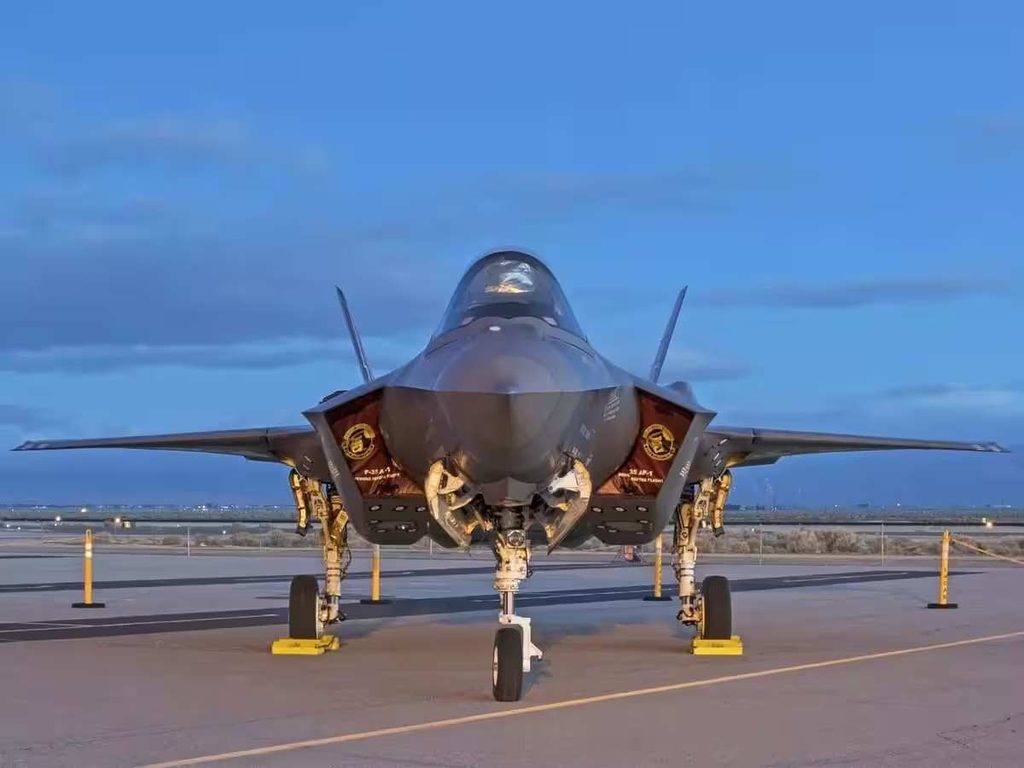
Additionally, the aircraft functions as a flying sensor node within a broader network. It can share data with ground units, ships, and other aircraft, acting as an information hub during joint operations. This networking capability has become just as important as its physical performance, transforming the aircraft into a central piece of modern, connected warfare.
Performance Specifications at a Glance
While stealth and sensors often dominate discussions, the raw performance figures of the F-35 fighter jet remain impressive for a multirole aircraft. Below is a simplified overview of some commonly referenced specifications across its variants.
| Feature | Approximate Specification |
|---|---|
| Top Speed | Around Mach 1.6 |
| Combat Radius | Roughly 590 to 670 nautical miles |
| Maximum Payload | Approximately 18,000 pounds |
| Engine Type | Single Pratt & Whitney F135 turbofan |
| Crew | One pilot |
| Stealth Rating | Low observable, reduced radar cross-section |
These figures illustrate a balance between speed, range, and payload capacity, rather than extreme specialization in any single category. This balanced approach reflects the aircraft’s role as a multirole platform rather than a pure interceptor or bomber.
Global Adoption and International Partnerships
The reach of the F-35 fighter jet extends far beyond a single country’s air force. Numerous allied nations have adopted the aircraft, integrating it into their defense strategies and aligning their air combat doctrines with shared technological standards. This widespread adoption has created a level of interoperability rarely seen in previous fighter programs.
Countries operating or procuring the aircraft often cite several shared motivations:
- Access to advanced stealth and sensor technology without developing it independently
- Compatibility with allied air forces for joint training and operations
- Long-term software-based upgrade paths that extend the aircraft’s operational life
- Strengthened defense partnerships through shared logistics and maintenance networks
This international dimension has turned the aircraft into more than just a piece of hardware. It has become a diplomatic and strategic tool, reinforcing alliances and standardizing military cooperation among partner nations. Maintenance depots, training programs, and supply chains are now interconnected across borders, creating a shared ecosystem built around this single aircraft family.
Challenges and Criticisms Surrounding the Program
No discussion of the F-35 fighter jet would be complete without acknowledging the criticisms it has faced throughout its development. As with many ambitious defense programs, the path to operational readiness included significant cost overruns, schedule delays, and technical challenges that drew scrutiny from analysts and government oversight bodies alike.
Some of the most commonly cited concerns include:
- High per-unit and lifetime maintenance costs compared to earlier aircraft
- Software integration issues during early development phases
- Complexity of logistics support systems across different variants
- Ongoing debates about long-term sustainability of the program’s supply chain
Despite these challenges, many of the early technical issues have been addressed through iterative updates and refined manufacturing processes. The program’s scale, involving multiple countries and branches, made early complications almost inevitable, but continuous investment has gradually improved reliability, availability, and cost efficiency over time.
The Aircraft’s Role in Future Air Combat Strategy
Looking ahead, the F-35 fighter jet is expected to remain a cornerstone of allied air power for decades. Its modular design allows for continuous upgrades, meaning the aircraft can evolve alongside emerging threats without requiring a complete redesign. This adaptability is particularly valuable as adversaries develop increasingly sophisticated air defense systems.
Military strategists increasingly view the aircraft not as a standalone fighter but as part of a broader combat ecosystem. It is expected to work alongside emerging technologies such as unmanned drones, advanced satellite communications, and next-generation missile systems. In this sense, the aircraft functions as a bridge between traditional piloted combat aircraft and the increasingly networked, semi-autonomous battlefield of the future.
Its role in shaping tactics, training programs, and defense budgets is likely to continue expanding, cementing its place as one of the defining aircraft of this generation.
Conclusion
The F-35 fighter jet stands as a remarkable example of how modern defense technology can blend stealth, sensor fusion, and international cooperation into a single, adaptable platform. From its origins in a challenging joint development program to its current status as a backbone of allied air power, the aircraft has reshaped expectations for what a multirole fighter can achieve. While it has faced legitimate criticism regarding cost and complexity, its continuous evolution demonstrates the value of long-term investment in adaptable military technology. As global air combat strategies increasingly emphasize networked systems and information dominance, this aircraft’s influence is likely to grow rather than fade, securing its place as one of the most significant fighter programs in aviation history.
Leave a Reply