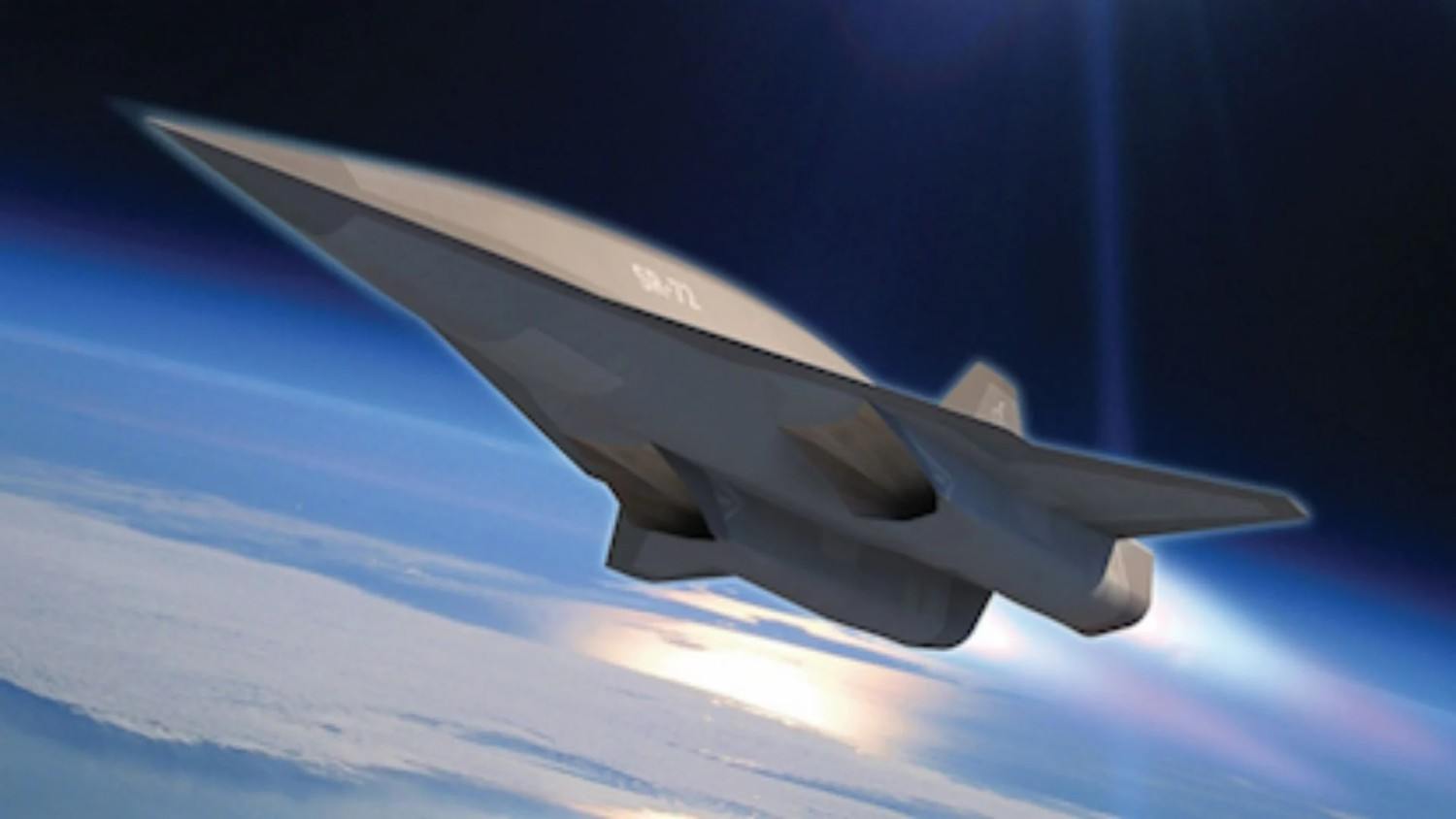
Speed has always been the most thrilling measure of a fighter aircraft’s capability. When people search for the fastest fighter jet, they are usually curious about which machine can outrun every other aircraft in the sky and how engineers achieved such extraordinary velocity. Fighter jets are built with powerful afterburning engines, streamlined airframes, and heat-resistant materials that allow them to slice through the air at speeds far beyond sound. The pursuit of raw speed shaped much of twentieth-century aviation, especially during the Cold War, when nations raced to build aircraft that could intercept bombers, outmaneuver rivals, and dominate contested airspace before radar and missile technology changed the rules of engagement entirely.
Today, the definition of a great fighter has shifted somewhat toward stealth, sensors, and network warfare, but speed still matters enormously. A jet that can accelerate quickly and sustain high velocity has tactical advantages in intercepting threats, escaping danger, and closing distance during combat. Understanding what makes an aircraft earn the title of fastest fighter jet requires looking at both historical records and the engineering compromises that come with chasing extreme velocity.
The Legendary MiG-25 Foxbat
When aviation enthusiasts discuss the fastest fighter jet ever built, the Soviet MiG-25 Foxbat almost always tops the conversation. Introduced during the 1970s, this interceptor was designed with one primary mission: rush toward incoming high-altitude bombers and destroy them before they could strike Soviet territory. Its stainless steel airframe, built to survive intense frictional heat, allowed it to reach speeds exceeding Mach 2.8, and some pilots have reported brief bursts even higher during emergency situations, though such speeds often damaged the engines.
What makes the MiG-25 remarkable is not elegance but sheer brute force. It was not particularly agile, and its radar and avionics were considered unrefined by Western standards, but nothing could match its acceleration in a straight line. Western intelligence agencies were so alarmed by early reports of its performance that it triggered a wave of design changes in American fighter programs. Even decades later, the Foxbat’s speed record remains largely unbeaten among operational combat aircraft, cementing its place as one of the most feared fast interceptors in aviation history.
The American Response: F-15 Eagle
The United States answered Soviet speed advancements with the McDonnell Douglas F-15 Eagle, an aircraft still respected today for its blend of speed, agility, and reliability. While it does not reach the extreme velocity of the MiG-25, the F-15 is often mentioned in speed discussions because of its exceptional thrust-to-weight ratio, which allows it to accelerate vertically and outmaneuver rivals in aerial engagements. Capable of flying beyond Mach 2.5, the Eagle demonstrated that a fastest fighter jet contender did not need to sacrifice maneuverability entirely for pure velocity.
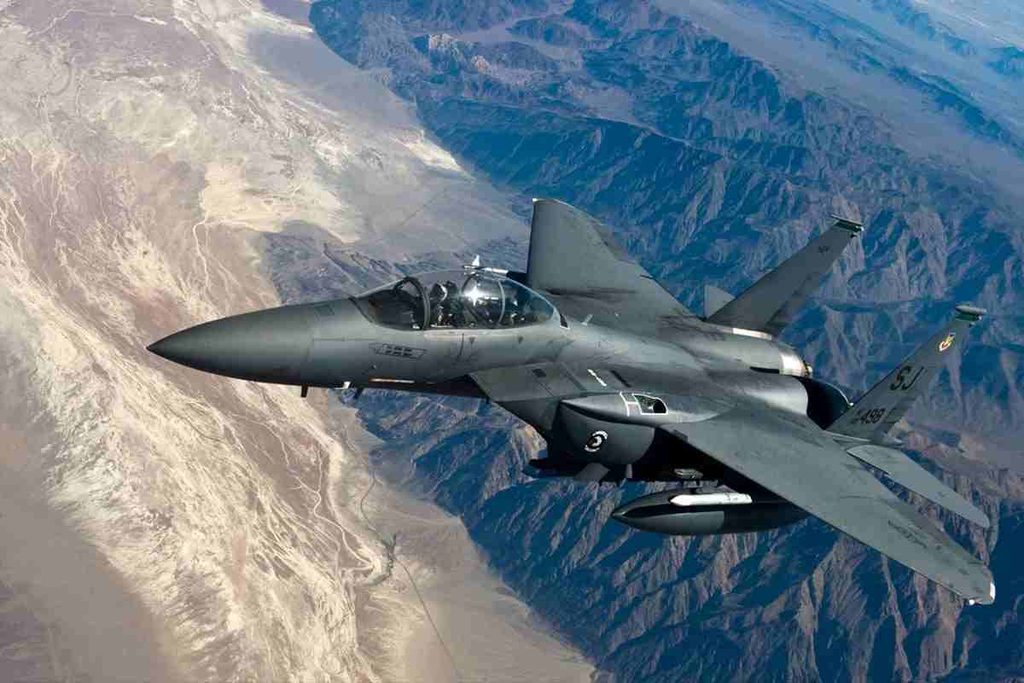
The F-15’s combat record is spotless, having never lost an aerial engagement, a testament to how well its speed complements its weapons and radar systems. Its twin engines provide massive power, letting pilots execute rapid climbs and aggressive intercepts. Even though newer stealth aircraft have taken over frontline duties in many air forces, the F-15 continues to receive upgrades and remains a benchmark for what balanced speed and combat effectiveness should look like in a modern fighter design.
Modern Contenders Pushing Speed Limits
While Cold War aircraft often dominate speed rankings, modern jets continue refining the balance between velocity, stealth, and sensor fusion. Aircraft like the Su-27 family, MiG-31 Foxhound, and various fifth-generation fighters demonstrate that speed remains a priority even in an era dominated by radar-evading technology. The MiG-31, in particular, deserves mention alongside any fastest fighter jet discussion because it was designed as a direct successor to the Foxbat, improving reliability while retaining exceptional high-speed interception capability.
Modern engineering has also introduced supercruise technology, allowing aircraft to sustain supersonic speeds without constantly relying on fuel-hungry afterburners. This innovation, seen in jets like the F-22 Raptor, represents a shift toward efficient speed rather than pure top-end velocity. Instead of chasing record-breaking numbers, today’s designers often prioritize sustained supersonic performance combined with stealth, giving pilots tactical advantages that raw speed alone cannot provide in contested, sensor-heavy battle environments.
Comparing Some of the Fastest Fighter Jets
To understand how these aircraft measure against one another, a simple comparison highlights their top speeds, origins, and defining characteristics. This table offers a quick overview for readers researching the fastest fighter jet options across different generations of aviation technology.
| Aircraft | Country | Top Speed (Approx.) | Notable Feature |
|---|---|---|---|
| MiG-25 Foxbat | Soviet Union | Mach 2.8+ | Extreme straight-line speed |
| MiG-31 Foxhound | Russia | Mach 2.83 | Long-range interception |
| F-15 Eagle | United States | Mach 2.5 | Unmatched combat record |
| Su-27 Flanker | Soviet Union | Mach 2.35 | High agility and range |
| F-22 Raptor | United States | Mach 2.25 (supercruise capable) | Stealth with sustained speed |
This comparison shows that while Soviet-era interceptors still hold raw speed advantages, newer designs favor efficiency, stealth, and sustained performance over short bursts of extreme velocity.
Why Raw Speed Alone No Longer Wins Wars
Modern air combat has evolved dramatically since the era when the fastest fighter jet was considered the ultimate battlefield weapon. Long-range missiles, advanced radar systems, and stealth coatings mean that pilots rarely engage in close-range dogfights where raw acceleration matters most. Instead, detecting an enemy before being detected has become the priority, shifting design philosophy toward low observability and networked situational awareness rather than pure velocity.
That said, speed still plays a critical supporting role. A fast aircraft can escape danger zones quickly, intercept threats before they reach vulnerable targets, and cover vast distances in short timeframes, which is especially valuable for nations defending large territories. Speed also affects a missile’s effective range, since a fast-moving launch platform gives its weapons additional kinetic energy. So while the fastest fighter jet title generates public fascination, real-world combat effectiveness increasingly depends on how well speed integrates with stealth, sensors, and weapons systems rather than existing as a standalone advantage.
Engineering Challenges Behind Extreme Speeds
Achieving extreme velocity is not simply a matter of installing more powerful engines. Aircraft traveling near or beyond Mach 2 face intense aerodynamic heating, structural stress, and material fatigue. Engineers must solve numerous challenges to keep a fastest fighter jet candidate both fast and survivable during sustained high-speed flight, including:
- Managing frictional heat that can weaken aluminum airframes over time
- Designing air intakes that regulate airflow at varying speed thresholds
- Balancing fuel consumption against afterburner-dependent acceleration
- Protecting avionics and radar systems from extreme temperature fluctuations
- Ensuring structural integrity during rapid speed transitions
These challenges explain why only a handful of aircraft in history have achieved sustained speeds above Mach 2.5. Even with modern composite materials and improved propulsion systems, the physics of controlled flight impose strict limitations. This is part of why older interceptors like the MiG-25 still hold speed records that newer, more advanced aircraft have not attempted to break, since modern design priorities have shifted elsewhere.
The Future of High-Speed Fighter Development
Looking ahead, next-generation fighter programs appear less focused on breaking outright speed records and more interested in blending speed with adaptability. Concepts involving adaptive-cycle engines, which adjust airflow depending on flight conditions, could allow future aircraft to achieve high-speed performance while maintaining fuel efficiency at subsonic cruising speeds. Some experimental programs are also exploring hypersonic weapons and reconnaissance platforms, although these fall outside the traditional fighter jet category.
Despite this shift, the fascination with the fastest fighter jet concept is unlikely to fade among aviation enthusiasts, military historians, and the general public. Speed represents raw power and technological achievement in a way that is instantly understandable, even to people unfamiliar with radar cross-sections or missile guidance systems. As nations continue investing in next-generation combat aircraft, it is likely that speed will remain one of several key metrics used to evaluate performance, even as sensors and stealth increasingly define modern air superiority.
Conclusion
The story of the fastest fighter jet is really a story about ambition, engineering ingenuity, and the constant pursuit of dominance in the skies. From the fearsome MiG-25 Foxbat to the balanced power of the F-15 Eagle and the stealthy efficiency of modern supercruise-capable jets, each aircraft reflects the priorities of its era. While raw speed once defined air combat superiority, today’s battlefield rewards a more complex mix of stealth, sensor fusion, and tactical awareness. Still, the pursuit of the fastest fighter jet continues to capture imaginations worldwide, reminding us that speed, even when no longer the sole measure of superiority, remains one of aviation’s most awe-inspiring achievements. As technology advances, future aircraft will likely blend speed with intelligence, ensuring that the race for faster, smarter fighters never truly comes to an end.
Leave a Reply