
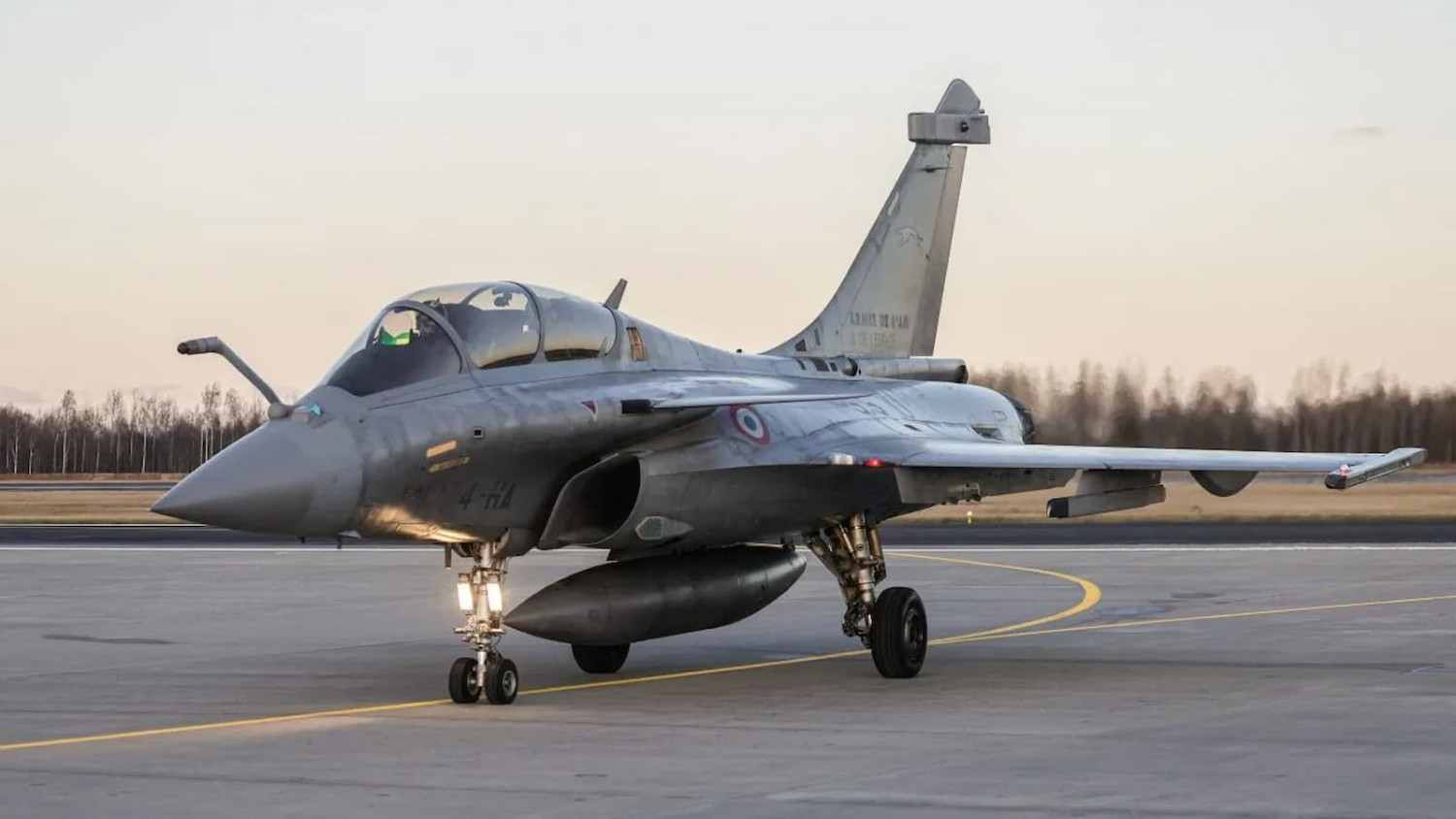
India’s air defense strategy is undergoing one of its most significant transformations in decades. The iaf fighter jet expansion plan has become a central talking point among defense analysts, policymakers, and citizens alike, largely because the gap between sanctioned squadron strength and actual operational numbers has widened considerably. The Indian Air Force was originally authorized to maintain 42 fighter squadrons to credibly handle simultaneous threats from Pakistan and China. However, active squadron numbers have fallen well below this mark in recent years, driven by the retirement of ageing aircraft like the MiG-21 and delays in replacement inductions. This shortfall has pushed the government and military planners to rethink not just how many jets are needed, but how quickly they can be built, bought, or upgraded to close the widening capability gap.
Why the IAF Fighter Jet Expansion Plan Matters Now
Regional security dynamics have shifted dramatically, making the iaf fighter jet expansion plan more urgent than ever. China’s air force has grown into one of the largest in the world, with thousands of frontline fighters, while Pakistan continues modernizing its own fleet with support from allied nations. India, by contrast, has watched its squadron strength shrink even as geopolitical tensions along both borders remain unresolved. Recent skirmishes and heightened border activity have only reinforced the need for a larger, more capable air force. Defense planners now argue that the older benchmark of 42 squadrons may no longer be sufficient, with internal assessments suggesting the requirement could rise significantly higher to account for simultaneous two-front contingencies and the growing role of unmanned systems in modern warfare.
Key Pillars of the Expansion Strategy
The iaf fighter jet expansion plan rests on several interconnected pillars rather than a single procurement decision. Officials have emphasized a layered approach that blends indigenous manufacturing with selective foreign acquisitions to reduce risk and shorten timelines. This strategy recognizes that relying solely on imports is neither financially sustainable nor strategically wise in the long run.
Some of the major components include:
- Accelerated production of the indigenous Tejas Mk1A light combat aircraft
- Development of the more advanced Tejas Mk2 for medium-weight roles
- Progress on the fifth-generation Advanced Medium Combat Aircraft (AMCA) program
- The long-pending Multi-Role Fighter Aircraft (MRFA) tender for 114 jets
- Continued induction of Rafale aircraft and upgrades to the Sukhoi-30MKI fleet
- Expansion of unmanned combat aerial vehicles and swarm drone capabilities
Each of these elements plays a distinct role in rebuilding squadron numbers while modernizing overall combat capability.
The Role of Indigenous Manufacturing
A defining feature of the iaf fighter jet expansion plan is its heavy reliance on domestic aircraft production. India has placed substantial orders for the Tejas Mk1A, viewed as the backbone of future squadron replenishment, alongside approvals for the more capable Tejas Mk2 variant. The AMCA project, cleared for full-scale engineering development, represents India’s ambition to eventually field a stealth fighter designed and built at home. While this indigenous push aligns with broader self-reliance goals, production rates have often lagged behind targets, creating friction between ambition and execution. Officials continue to stress that scaling up manufacturing capacity, diversifying suppliers, and reducing dependency on single-source engine providers are essential to keeping these programs on schedule and avoiding further slippage in squadron numbers.
Foreign Procurement as a Bridging Strategy
While indigenous development remains the long-term goal, the iaf fighter jet expansion plan also leans on foreign procurement to address immediate shortfalls. The Multi-Role Fighter Aircraft program, which has been under discussion for years, recently received renewed momentum, with the Rafale considered a strong contender for licensed assembly within India.
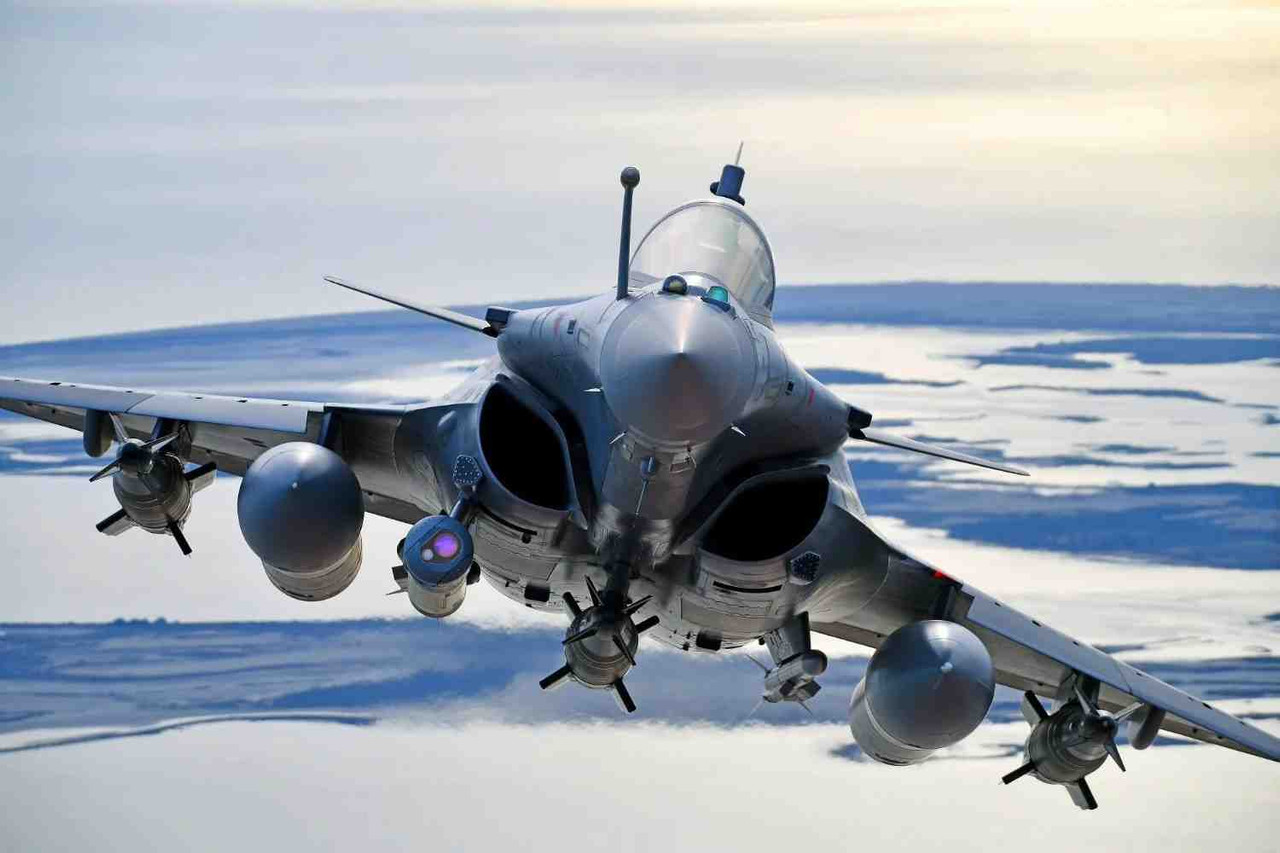
This approach allows the Air Force to bridge the gap while domestic programs mature, ensuring squadrons are not left critically understrength during the transition period. Analysts note that blending imported platforms with locally built jets offers flexibility, though it also introduces complexity in maintenance, training, and logistics across a more diverse fleet. Balancing these trade-offs remains one of the toughest challenges facing planners tasked with executing this expansion smoothly.
Timeline and Milestones to Watch
Understanding the pace of change is essential to appreciating the scope of the iaf fighter jet expansion plan. The table below summarizes key programs and their expected progress based on current planning estimates.
| Program | Current Status | Expected Milestone |
|---|---|---|
| Tejas Mk1A | Deliveries underway | Continued induction through late 2020s |
| Tejas Mk2 | Design and prototype stage | First flight and testing in coming years |
| AMCA | Full-scale development approved | Prototype rollout expected 2026–27 |
| MRFA (114 jets) | Selection process advancing | Contract finalization pending |
| Rafale Fleet | 36 aircraft in service | Possible expansion under MRFA |
| Su-30MKI Upgrade | Modernization ongoing | Enhanced radar and avionics rollout |
This timeline illustrates why the expansion is viewed as a multi-decade undertaking rather than a quick fix.
Challenges That Could Slow the Expansion
Despite ambitious targets, the iaf fighter jet expansion plan faces real obstacles that could delay outcomes. Production bottlenecks, engine supply issues, and budgetary constraints have historically slowed similar defense programs in India. There is also the challenge of retiring older aircraft faster than replacements can be inducted, which temporarily shrinks squadron numbers even as new jets enter service. Additionally, the growing emphasis on unmanned systems and drone swarms adds another layer of complexity, as the Air Force must integrate these newer technologies alongside traditional manned fighters. Coordinating these parallel tracks while maintaining operational readiness across existing squadrons requires careful planning, sustained funding, and political will that spans multiple budget cycles and changes in leadership.
Strategic Implications for Regional Security
The broader significance of the iaf fighter jet expansion plan extends beyond simple aircraft numbers. A stronger, more modern Air Force reinforces India’s deterrence posture along both its western and northern borders, sending a clear signal to neighboring countries about the country’s commitment to air superiority. It also influences diplomatic and defense partnerships, as foreign manufacturers compete for lucrative contracts tied to India’s modernization drive. Furthermore, a credible expansion plan supports domestic industry growth, creating opportunities for private defense manufacturers and strengthening the broader aerospace ecosystem. As India positions itself as a rising regional power, the success or failure of this expansion will likely shape perceptions of its military credibility for years to come, influencing everything from trade negotiations to regional alliances.
What Lies Ahead for the Indian Air Force
Looking forward, the iaf fighter jet expansion plan will likely continue evolving as new assessments emerge and geopolitical circumstances shift. Officials have hinted that the traditional 42-squadron benchmark may be revised upward, reflecting a more realistic appraisal of two-front war requirements. This could mean higher production targets, expanded foreign partnerships, and greater investment in next-generation technologies like stealth aircraft and autonomous systems. Public and parliamentary scrutiny of defense spending will also play a role in shaping how quickly these plans materialize. Ultimately, the coming years will reveal whether India can translate ambitious blueprints into tangible squadron growth, or whether persistent delays will continue to test the patience of military planners and citizens alike.
Conclusion
The iaf fighter jet expansion plan represents far more than a routine military procurement exercise; it reflects India’s broader strategic recalibration in response to an increasingly complex security environment. From indigenous programs like Tejas and AMCA to foreign acquisitions through the MRFA tender, every component of this plan carries weight in determining the country’s future air power. While challenges around production delays, funding, and technological integration remain significant, the direction of travel is clear: India is committed to rebuilding and strengthening its fighter fleet for the decades ahead. As global and regional dynamics continue to evolve, the success of this expansion will be a defining factor in shaping India’s defense posture, regional influence, and long-term national security outlook.
Leave a Reply