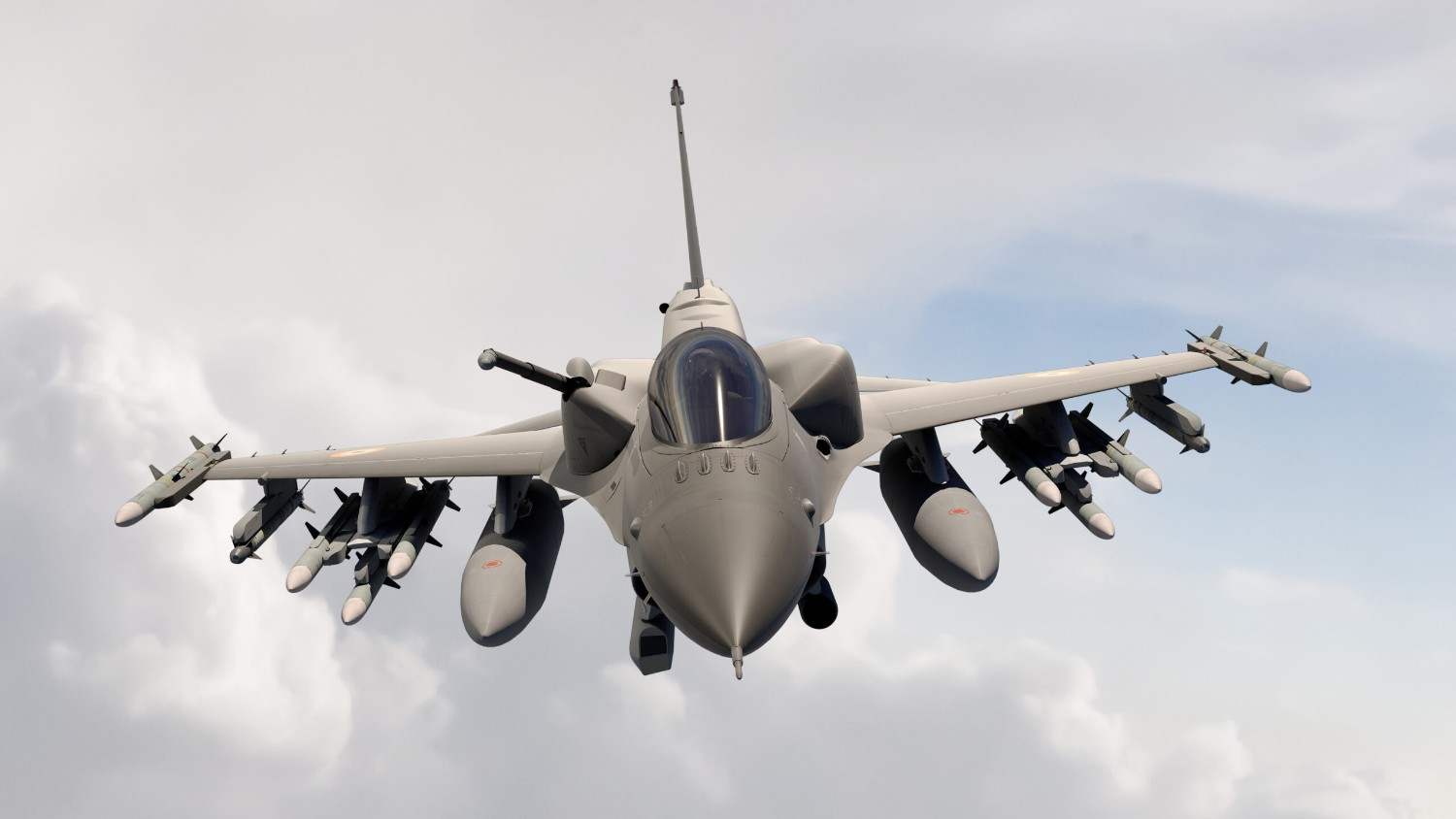
The story of Indian Air Force fighter jets is one of continuous transformation, shaped by decades of technological upgrades, geopolitical necessity, and indigenous ambition. From the early days of piston-engine aircraft to today’s fourth and fifth-generation multirole platforms, the force has consistently adapted to meet emerging threats along India’s borders. Each generation of aircraft has brought new capabilities in speed, precision, and combat endurance, allowing pilots to operate effectively in high-altitude terrains, dense urban airspace, and vast oceanic stretches. This evolution is not merely about acquiring modern hardware; it reflects a broader vision of self-reliance and strategic depth. Today, the fleet stands as one of the most diverse in the world, combining Russian, French, and homegrown technology into a cohesive aerial shield that protects a nation of over a billion people.
Why Fighter Jets Matter for National Security
Modern warfare is no longer confined to ground battles; air superiority often determines the outcome of conflicts before troops even engage. This is precisely why Indian Air Force fighter jets occupy a central role in the country’s defence doctrine. They serve multiple purposes simultaneously, including deterrence against hostile neighbours, rapid response to border skirmishes, and support for humanitarian missions during natural disasters. Beyond combat readiness, these aircraft symbolize technological sovereignty, showing that India can design, manufacture, and maintain sophisticated defence systems without total dependence on foreign suppliers. The presence of a capable air fleet also strengthens diplomatic bargaining power, as nations with credible air forces are taken more seriously in regional security dialogues. In essence, these jets are not just machines of war but instruments of strategic influence.
The Current Fleet: A Mixed Arsenal
India’s aerial fleet is a blend of legacy aircraft and cutting-edge additions, each serving specific operational needs. The diversity allows flexibility across different combat scenarios, from close-range dogfights to long-range precision strikes. Some notable aircraft types include:
- Su-30MKI, known for its agility and heavy weapons payload
- Rafale, prized for its advanced avionics and beyond-visual-range capability
- Tejas, India’s indigenous lightweight multirole fighter
- Mirage 2000, valued for its reliability in precision bombing
- MiG-29, used primarily for air superiority missions
- Jaguar, deployed for deep-penetration strike operations
This mix ensures that Indian Air Force fighter jets can respond to a wide spectrum of threats, whether it involves intercepting enemy aircraft or conducting surgical strikes on strategic targets.
Indigenous Development and the Push for Self-Reliance
One of the most significant shifts in recent years has been the emphasis on domestic manufacturing. The Tejas program, developed by Hindustan Aeronautics Limited, represents a milestone in this journey, proving that India can design a functional, combat-ready fighter aircraft from the ground up. This indigenous push is not without challenges, as developing cutting-edge aerospace technology requires enormous investment in research, testing, and quality assurance. However, the long-term benefits are substantial, including reduced dependency on foreign vendors, job creation within the domestic aerospace sector, and the ability to customize aircraft systems according to specific operational requirements. Upcoming projects, including advanced medium combat aircraft designs, aim to push this self-reliance further, positioning India as a credible exporter of defence technology rather than merely an importer in the coming decades.
Technological Capabilities That Define Modern Combat
Modern combat aircraft are judged not just by speed or firepower but by their sensor fusion, stealth characteristics, and network-centric warfare capabilities. Indian Air Force fighter jets have progressively incorporated these features to stay competitive with regional adversaries. Radar systems capable of tracking multiple targets simultaneously, electronic warfare suites that can jam enemy communications, and precision-guided munitions that minimize collateral damage are now standard expectations rather than luxuries. Additionally, many aircraft in the fleet are equipped with in-flight refueling capability, extending their operational range significantly. This means pilots can conduct longer patrol missions or reach distant targets without needing to land for fuel. Such technological depth transforms these aircraft from simple weapons platforms into integrated combat systems that communicate with satellites, ground radars, and other aircraft in real time.
Comparing Key Aircraft in the Fleet
Understanding the strengths of different aircraft helps clarify why a diverse fleet is strategically valuable. The table below offers a simplified comparison of some prominent fighters currently in service.
| Aircraft | Origin | Primary Role | Notable Strength |
|---|---|---|---|
| Su-30MKI | Russia/India | Air superiority, strike | Heavy payload capacity |
| Rafale | France | Multirole combat | Advanced electronic warfare |
| Tejas | India | Lightweight multirole | Indigenous design, agility |
| Mirage 2000 | France | Precision strike | Combat-proven reliability |
| MiG-29 | Russia | Air defence | High maneuverability |
This comparative structure illustrates how each aircraft contributes uniquely to overall combat readiness, reinforcing the idea that no single platform can address every operational demand alone.
Training and Human Skill Behind the Machines
No aircraft, however advanced, can perform effectively without a skilled pilot at the controls. Training programs for fighter pilots are rigorous, spanning years of simulation exercises, live flying hours, and psychological conditioning to handle high-stress combat scenarios. Beyond piloting, ground crews, engineers, and maintenance personnel play an equally vital role in ensuring that every aircraft remains mission-ready.
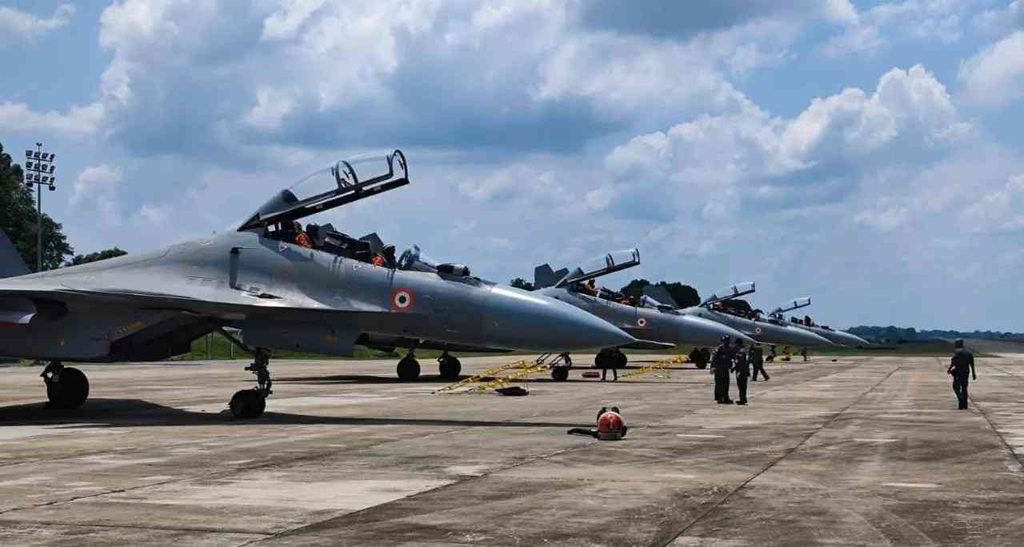
The complexity of maintaining Indian Air Force fighter jets involves constant inspection of engines, avionics, and weapon systems, often under tight operational deadlines. Simulator-based training has become increasingly important, allowing pilots to practice complex maneuvers and emergency procedures without the risks associated with live flying. This combination of human expertise and machine capability forms the backbone of effective air combat operations, proving that technology alone cannot guarantee battlefield success.
Strategic Deployment Across Diverse Terrains
India’s geographical diversity, ranging from Himalayan peaks to coastal plains and desert regions, demands aircraft that can perform reliably across varied climatic and altitude conditions. Fighter squadrons are strategically positioned across different bases to ensure rapid response capability regardless of where a threat emerges. High-altitude airbases require aircraft with engines calibrated to perform in thin air, while coastal bases prioritize maritime strike capabilities for naval cooperation. This deployment strategy reflects a broader understanding that air defence cannot be centralized in one region alone; it must be distributed to address multiple potential flashpoints simultaneously. Regular joint exercises with the army and navy further enhance coordination, ensuring that air support can be summoned swiftly during ground operations or maritime security missions, creating a truly integrated defence network.
Challenges Facing Fleet Modernization
Despite significant progress, maintaining a technologically superior fleet comes with persistent challenges. Ageing aircraft require constant upgrades to remain relevant, and the process of retiring outdated models while inducting new ones is often slower than desired due to budgetary constraints and bureaucratic procedures. Some of the common challenges include:
- Delays in indigenous production timelines
- High maintenance costs for imported aircraft
- Balancing squadron strength with operational demand
- Integrating new technology into legacy systems
Addressing these challenges requires sustained investment, policy consistency, and closer collaboration between defence manufacturers and the armed forces. Without resolving these bottlenecks, even the most advanced acquisitions risk losing their strategic edge over time, making modernization an ongoing rather than one-time effort.
The Role of International Collaboration
While self-reliance remains a priority, international partnerships continue to play a crucial role in fleet development. Joint ventures with foreign defence companies allow technology transfer, enabling domestic engineers to learn advanced manufacturing techniques that would otherwise take decades to develop independently. These collaborations also open doors for co-production agreements, where certain components are manufactured domestically while critical systems are sourced from established global players. Such partnerships strike a balance between speed and sustainability, ensuring the fleet remains competitive without waiting for every indigenous program to reach full maturity. Diplomatic relationships often influence these collaborations, as defence partnerships frequently strengthen broader bilateral ties between nations, extending beyond military cooperation into trade, technology sharing, and regional security alliances.
Looking Ahead: The Future of Aerial Defence
The next decade promises significant transformation as next-generation platforms move from design tables to active squadrons. Emphasis is shifting toward stealth capabilities, unmanned combat systems, and artificial intelligence-assisted decision-making within cockpits. Future Indian Air Force fighter jets are expected to integrate more autonomous features, reducing pilot workload during complex missions while enhancing situational awareness through advanced data fusion. Investment in research facilities and partnerships with private aerospace firms signals a long-term commitment to staying ahead of regional technological curves. As global air combat evolves toward network-centric and multi-domain operations, India’s approach appears focused on building a fleet that is not only powerful today but adaptable enough to integrate emerging technologies for decades to come, ensuring sustained air dominance.
Conclusion
The evolution of Indian Air Force fighter jets reflects far more than technological upgrades; it represents a nation’s determination to secure its skies through innovation, strategic foresight, and skilled human capital. From indigenous platforms like Tejas to internationally sourced aircraft such as Rafale and Su-30MKI, the fleet embodies a careful balance between self-reliance and global collaboration. Challenges around modernization, budget allocation, and production delays remain real, yet the trajectory points toward a stronger, more autonomous aerial defence system. As threats become increasingly complex and multidimensional, the continued advancement of Indian Air Force fighter jets will remain central to safeguarding national sovereignty, ensuring that India’s skies stay protected by capable hands and cutting-edge machines for generations ahead.
Leave a Reply