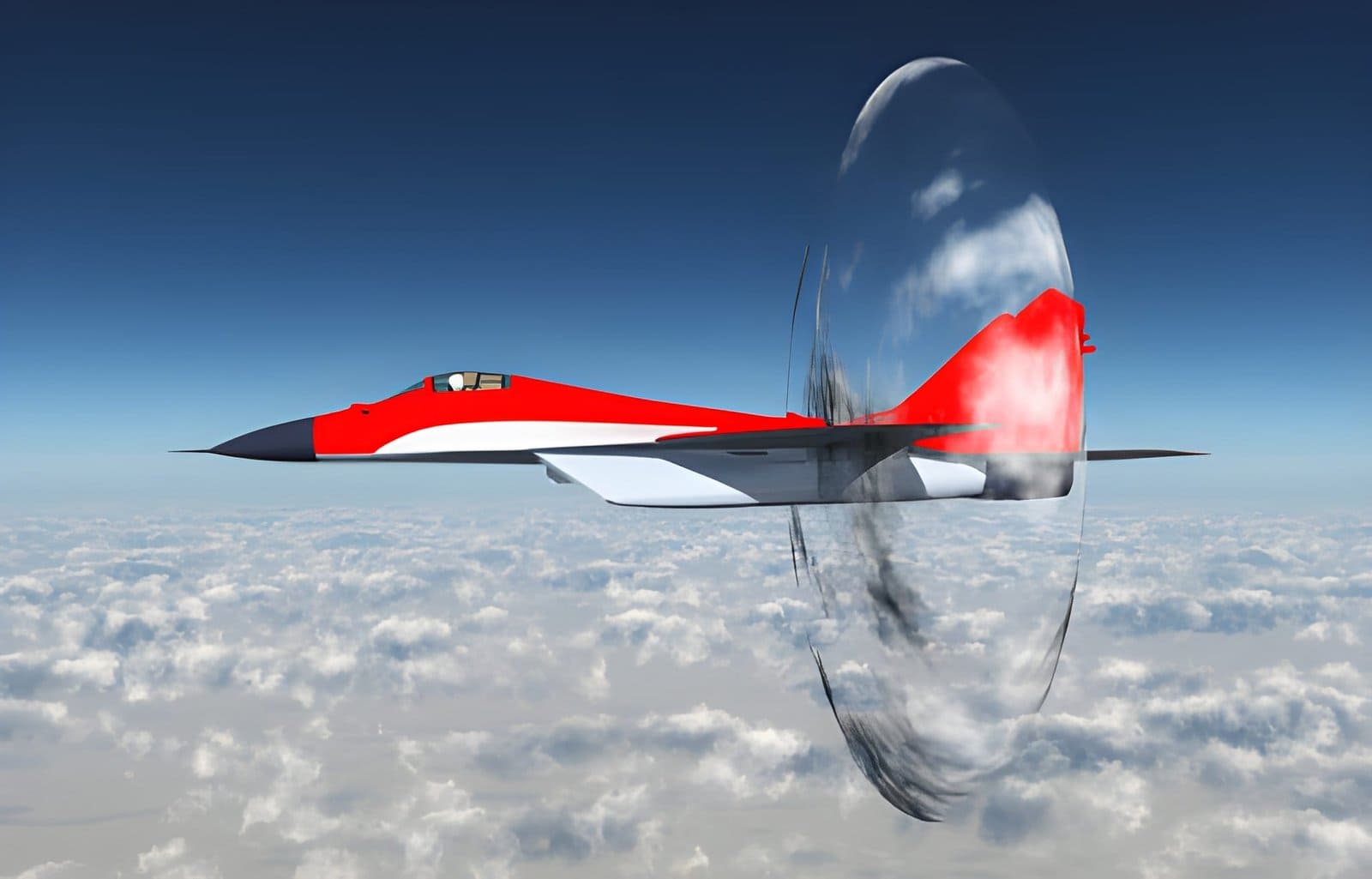
For more than five decades, flying faster than the speed of sound over American soil has been flatly illegal, regardless of how the noise actually reached the ground. That’s now changing. On June 30, 2026, the FAA proposed a new rule that would replace the blanket ban with a noise-based standard — a shift that could finally open the door to commercial supersonic travel across the continental United States.
What Actually Changed
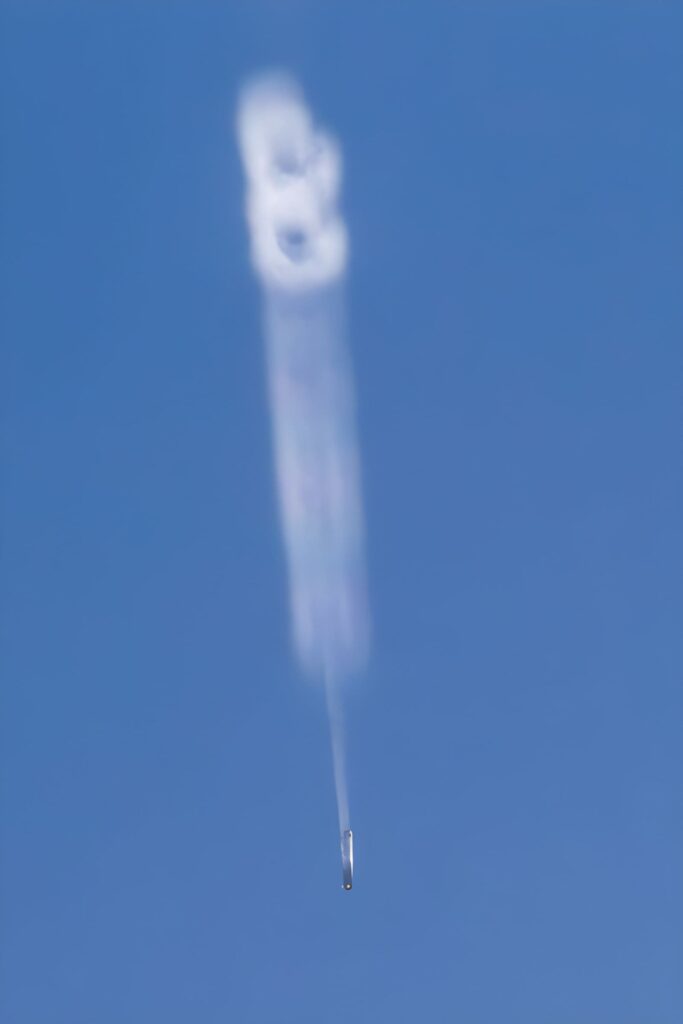
Since 1973, US regulation has treated any civil flight over Mach 1 above land as prohibited outright, no exceptions for how loud — or quiet — the resulting sonic boom actually was on the ground. The FAA’s newly proposed rule swaps that flat speed cap for a performance-based noise threshold: aircraft would be allowed to fly supersonic over land as long as the sonic boom reaching the surface stays at or below 0.11 pounds per square foot of overpressure, a limit informed partly by NASA’s X-59 quiet supersonic demonstrator program.
In practical terms, this legalizes what the industry calls “boomless cruise” — supersonic flight engineered so the shockwave never reaches a disruptive level at ground level, rather than being banned purely based on speed. Transportation Secretary Sean Duffy framed the move as part of a broader push, describing it as key to restoring supersonic travel and driving aviation innovation forward.
The Technology Making This Possible
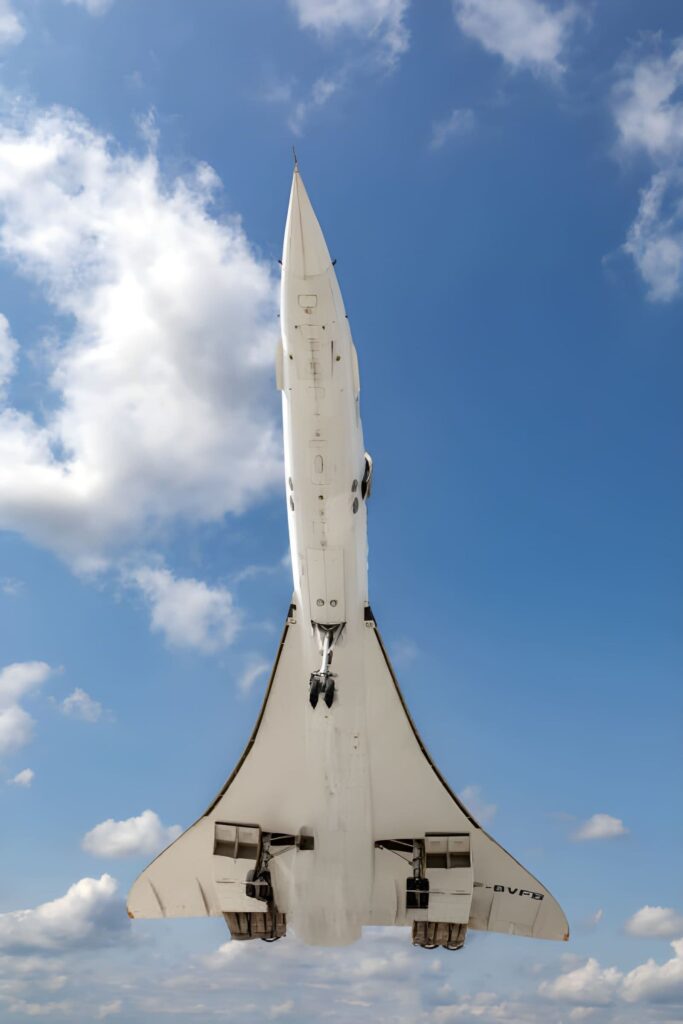
The rule change leans heavily on a technique called Mach cutoff — using a combination of aircraft design, altitude, atmospheric conditions, and speed to bend the sonic boom’s shockwave back upward before it reaches the ground, rather than letting it propagate straight down. It’s a fundamentally different approach from how the Concorde operated; that aircraft flew supersonic almost entirely over ocean routes specifically to avoid the sonic boom problem over populated land, since the technology to manage it simply didn’t exist at the time.
Boom Supersonic has already demonstrated the concept works: in February 2025, its XB-1 demonstrator aircraft reportedly reached supersonic speed without producing a measurable boom at ground level, a test the FAA’s proposed rule specifically cites as supporting evidence. Boom’s planned commercial aircraft, a 65-to-80-passenger jet called Overture, is one of the designs positioned to eventually operate under this new framework.
What Happens Next
This is a proposed rule, not a final one — the FAA opened a 45-day public comment period following the June 30 announcement, and a second, separate rule covering takeoff and landing noise standards (a distinct challenge from en-route sonic boom) is expected later in 2026. The FAA has said it aims to finalize both rules by mid-2027.
Even once finalized, commercial supersonic passenger service won’t happen overnight. Manufacturers still need to certify aircraft designs, develop engines capable of meeting the new standard, and build out the surrounding infrastructure — a process analysts estimate could take anywhere from five to fifteen years depending on the manufacturer and aircraft.
Why It Matters
For an industry that’s operated under a hard, uncompromising ban since before most current airline employees were born, this proposal represents the first real regulatory pathway back to supersonic travel over land. It won’t put a supersonic jet at your local airport gate next year, but it does something arguably more important in the near term: it gives manufacturers, investors, and airlines a concrete legal target to design and certify aircraft against — something the industry has lacked for over fifty years.
Whether this translates into an actual passenger service within the decade will depend far more on engine development and aircraft certification than on the regulation itself. But for the first time since the Concorde’s final flight, the legal ground beneath commercial supersonic travel in the US is starting to shift.
Leave a Reply