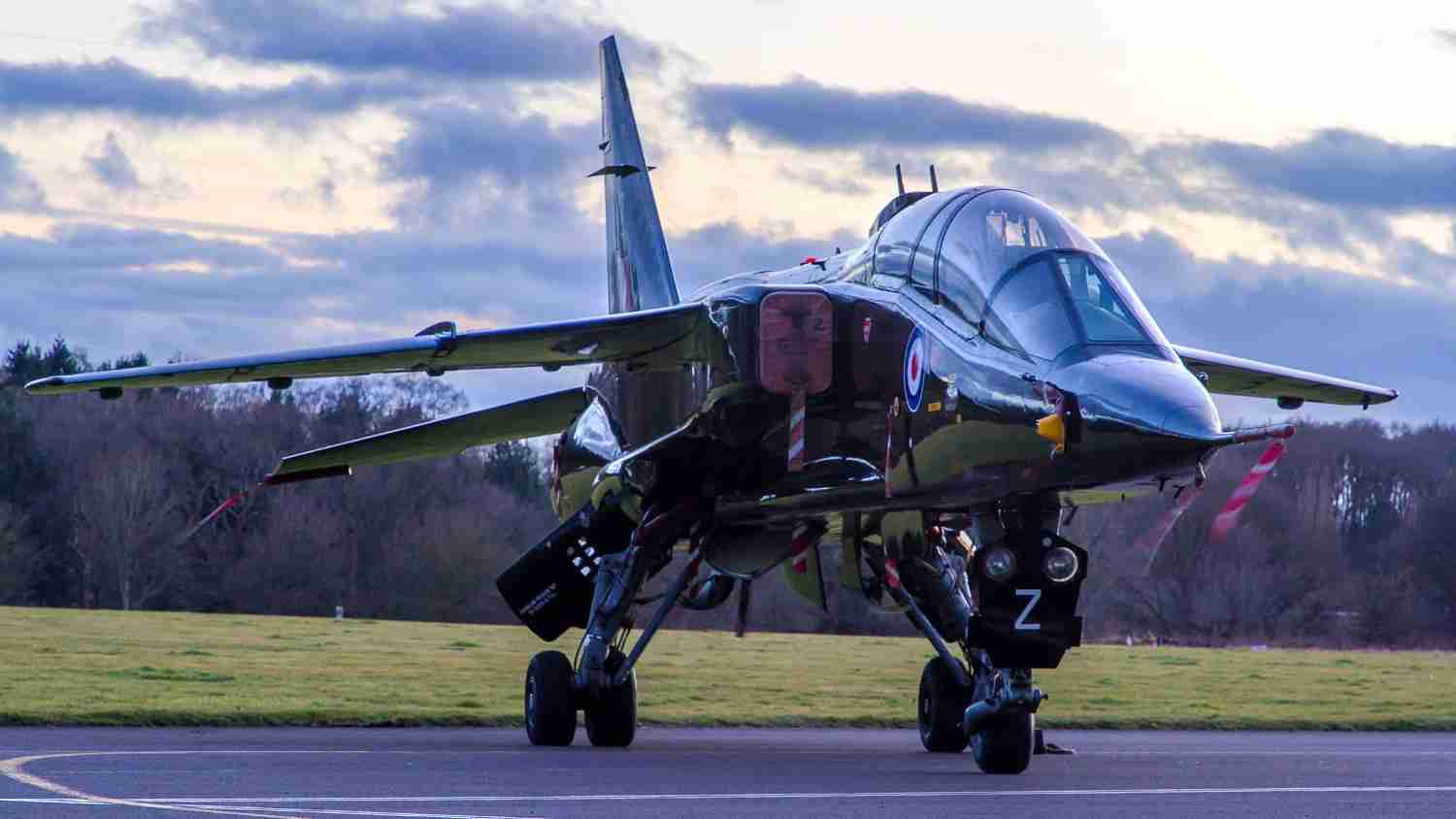
Few combat aircraft have had a stranger career arc than the jaguar fighter jet. Born out of an Anglo-French partnership in the 1960s, it started life as a modest training aircraft concept before evolving into a rugged, low-level strike platform that would go on to serve multiple air forces for decades. What makes its story unusual is not how it began but how long it lasted. While most Cold War-era jets were phased out once newer, stealthier, and more electronically advanced aircraft entered service, this particular airframe kept finding new reasons to stay operational. Even today, one nation continues to fly it in frontline combat roles, upgrading its systems rather than retiring the type outright. That persistence alone makes it worth understanding in detail.
Origins and Development of the Aircraft
The jaguar fighter jet was developed jointly by British and French aerospace companies under a partnership formed in the mid-1960s. Originally envisioned as an advanced jet trainer, the design was reworked into a ground-attack aircraft capable of operating at low altitudes and high speeds, which made it ideal for penetrating enemy air defenses while delivering ordnance with precision. Its first flight took place in the late 1960s, and production versions entered service with both the British and French air forces in the early 1970s. Powered by twin turbofan engines, the aircraft offered a strong thrust-to-weight ratio for its era, along with a compact airframe that could operate from shorter runways and forward operating bases, a feature that appealed to air forces needing flexible deployment options.
Design Philosophy and Core Capabilities
The design of the jaguar fighter jet reflected the tactical thinking of its time. Rather than prioritizing speed or altitude performance, engineers focused on survivability during low-level strike missions, where the aircraft could avoid radar detection by flying close to terrain. This approach required a stable airframe, reliable engines, and a cockpit layout that allowed pilots to manage navigation and weapons systems without being overwhelmed. Some of its defining characteristics include:
- Twin-engine configuration for redundancy during long-range missions
- Robust landing gear suited to rough or improvised airstrips
- A weapons load capable of carrying bombs, rockets, and air-to-air missiles
- Later variants equipped with laser designators for precision-guided munitions
- A two-seat trainer version used for conversion and reconnaissance duties
These features combined to create an aircraft that, while not flashy, proved dependable across a wide range of operational conditions, from desert warfare to temperate climates.
Combat History and Operational Record
Over its service life, the jaguar fighter jet was used in multiple conflicts, ranging from regional border skirmishes to larger coordinated air campaigns. Its ability to carry a respectable payload while flying at low altitude made it a preferred choice for close air support and interdiction missions. Pilots often praised its handling characteristics during high-speed, low-level flight, even though it was never considered a dogfighting specialist. Ground crews also valued its relatively straightforward maintenance requirements compared to more complex multirole fighters introduced later. As newer aircraft with advanced avionics and stealth characteristics began entering service in the 1990s and 2000s, most operators gradually phased out their fleets. However, one air force chose a different path, continuing to modernize and expand its inventory rather than retire the aircraft entirely.
Why One Nation Still Flies It Today
The most compelling chapter in the story of the jaguar fighter jet is unfolding right now. While the aircraft was formally retired by its original operators years ago, it remains in active frontline service with the Indian Air Force, which now stands as the last major user of the type anywhere in the world. Locally referred to by a different name, the fleet has been upgraded over the years with modern radar systems, updated avionics, and compatibility with contemporary air-to-air and precision-guided weapons. Rather than replacing the airframe outright, engineers have focused on extending its usable life through targeted modernization programs, allowing it to remain relevant for deep-strike missions even as newer fighters slowly enter the broader fleet mix.
The Spare Parts Challenge
Keeping a decades-old airframe flying comes with a significant logistical hurdle: sourcing spare parts for engines, avionics, and structural components that are no longer manufactured. Because the original production lines closed long ago, sustaining an active fleet increasingly depends on acquiring decommissioned aircraft from other countries and stripping them for usable components. This approach, sometimes called cannibalization, has become a defining feature of how the aircraft’s operational life is being extended. Retired jets sourced from former operators have been dismantled specifically to recover engine parts, landing gear assemblies, hydraulic systems, and cockpit equipment, which are then used to keep the remaining active airframes airworthy for years longer than originally planned.
Quick Comparison: Then vs Now
| Aspect | Original Service Era | Current Status |
|---|---|---|
| Primary Role | Low-level strike and reconnaissance | Deep-strike and precision missions |
| Avionics | Analog cockpit instruments | Upgraded digital displays and radar |
| Weapons | Conventional bombs and rockets | Precision-guided munitions added |
| Operators | Multiple air forces worldwide | Single remaining major operator |
| Sustainment | Factory-supplied new parts | Parts recovered from retired airframes |
| Expected Retirement | Originally planned decades ago | Extended service life projected further out |
Training, Adaptability, and Modern Missions
Beyond its strike role, the jaguar fighter jet has also proven adaptable for training and joint exercises. Two-seat variants have historically served as conversion trainers, helping pilots transition between different aircraft types while maintaining proficiency in low-level tactics.
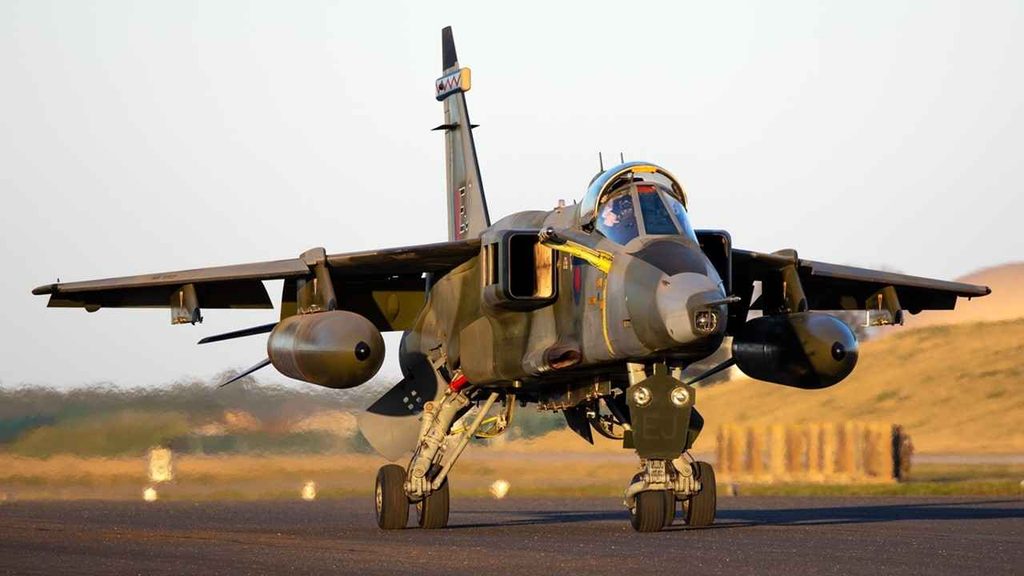
In more recent years, upgraded versions have participated in joint exercises alongside far newer fighter platforms, demonstrating that even an aging airframe can contribute meaningfully to modern air combat training when paired with updated sensors and weapons. This adaptability has helped justify the continued investment in maintaining the fleet, even as defense planners work toward acquiring next-generation aircraft to eventually take over its responsibilities.
Challenges Facing the Aircraft’s Future
Despite its resilience, the jaguar fighter jet faces real limitations that cannot be engineered away indefinitely. Airframe fatigue, engine wear, and the increasing scarcity of compatible spare parts all point toward an eventual and unavoidable retirement. Defense officials have acknowledged that a phased withdrawal is already being planned, with older units expected to leave service first while upgraded variants continue flying somewhat longer. The broader challenge lies in managing this transition without creating gaps in overall squadron strength, particularly when replacement fighter programs face their own delays. Balancing legacy sustainment with modernization has become one of the more complex planning exercises facing air power strategists who rely on this aircraft type.
Lessons From an Unlikely Survivor
The extended service life of the jaguar fighter jet offers a broader lesson about military aviation planning: an aircraft’s value is not solely determined by how advanced it was at launch, but by how effectively it can be adapted over time. Continuous upgrades to radar, weapons compatibility, and avionics have allowed a fundamentally decades-old design to remain tactically relevant long after its contemporaries were retired. This case also highlights the growing importance of spare parts logistics in sustaining aging military fleets, a challenge that many air forces around the world are likely to face as procurement timelines for next-generation fighters continue to stretch longer than originally anticipated.
Conclusion
The story of the jaguar fighter jet is ultimately one of adaptability and stubborn endurance rather than raw technological superiority. Designed in an era of Cold War tensions and low-level strike doctrine, it might easily have faded into aviation history decades ago, as it did for most of the nations that once flew it. Instead, continuous upgrades, careful maintenance, and a resourceful approach to sourcing spare parts have allowed it to remain a credible combat asset well into an age dominated by stealth and fifth-generation fighters. Its eventual retirement is inevitable, but the path it has taken to get this far offers a valuable case study in extending the practical lifespan of legacy military hardware, proving that thoughtful modernization can sometimes outweigh the appeal of an entirely new airframe.
Leave a Reply