
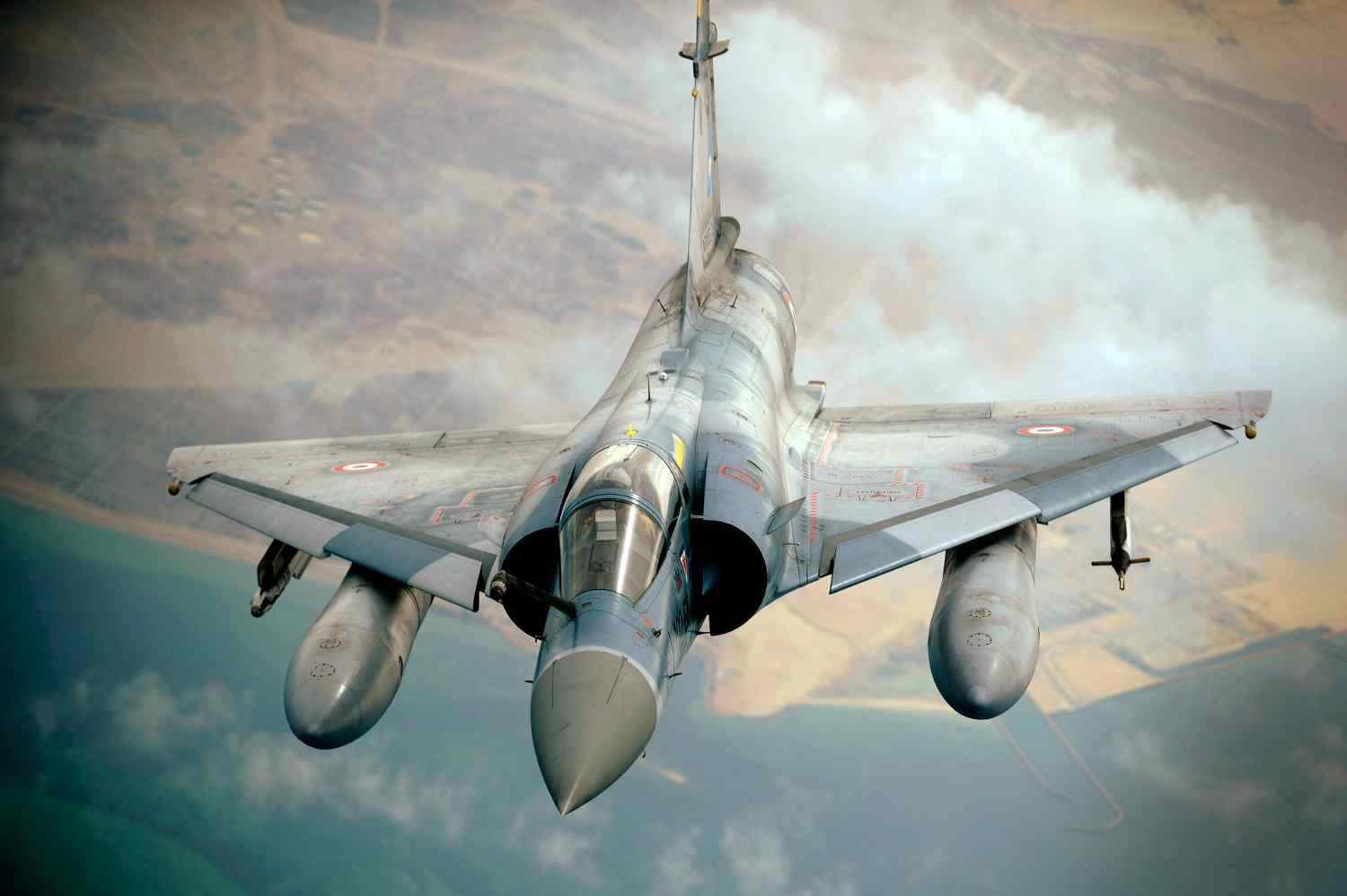
Few aircraft in modern aviation history have generated as much attention, debate, and admiration as the Lockheed Martin F-35 Lightning II. Designed as a fifth-generation multirole fighter, this aircraft represents a significant leap forward in stealth technology, sensor fusion, and network-centric warfare. Built to replace aging fleets of fourth-generation jets across multiple nations, the Lockheed Martin F-35 Lightning II has become a symbol of technological superiority in the skies. From its origins as part of the Joint Strike Fighter program to its current status as one of the most widely deployed fighter jets among allied nations, this aircraft continues to shape military strategy worldwide. In this article, we will explore its history, design, variants, capabilities, and future role in global defense.
Origins and Development History
The story of the Lockheed Martin F-35 Lightning II began in the 1990s when the United States Department of Defense sought a single aircraft platform that could serve multiple branches of the military while replacing several older fighter types. The Joint Strike Fighter program aimed to reduce costs through commonality while still delivering advanced stealth and combat performance. Lockheed Martin won the competition against Boeing’s X-32 prototype, leading to the eventual development of what would become the F-35 family. The first flight of the aircraft took place in the mid-2000s, followed by years of rigorous testing, design refinement, and production scaling. Despite early criticism regarding cost overruns and delays, the program matured into one of the most technologically advanced fighter jet initiatives ever undertaken by a Western defense contractor.
Understanding the Three Variants
One of the defining features of the Lockheed Martin F-35 Lightning II is its adaptability across different operational requirements. Rather than building separate aircraft from scratch for each military branch, engineers created three distinct variants sharing a common airframe and core technology.
- F-35A – Conventional takeoff and landing version, primarily used by the U.S. Air Force and allied air forces
- F-35B – Short takeoff and vertical landing variant, designed for the U.S. Marine Corps and navies operating smaller carriers
- F-35C – Carrier-based variant with larger wings and reinforced landing gear for U.S. Navy aircraft carrier operations
Each variant retains the same stealth shaping, sensor suite, and mission systems, allowing for streamlined training, maintenance, and logistics across different branches and allied nations, despite their operational differences.
Stealth Design and Aerodynamics
Stealth capability remains central to the identity of the Lockheed Martin F-35 Lightning II. Its airframe incorporates angular surfaces, internal weapons bays, and radar-absorbent materials that dramatically reduce its radar cross-section compared to earlier fighter generations. Unlike older jets that carry weapons and fuel tanks externally, the F-35 stores most of its ordnance internally during stealth missions, preserving its low-observable profile. Engineers also focused heavily on reducing infrared and acoustic signatures, making the aircraft harder to detect through multiple sensor types, not just radar. This holistic approach to signature reduction allows pilots to penetrate contested airspace with a significantly lower risk of detection, giving them a tactical advantage during the opening phases of a conflict when suppression of enemy air defenses is critical to mission success.
Sensor Fusion and Avionics
Perhaps the most revolutionary aspect of the Lockheed Martin F-35 Lightning II lies not in its airframe but in its avionics architecture. The aircraft integrates data from radar, infrared sensors, electronic warfare systems, and offboard sources into a single unified picture displayed to the pilot. This sensor fusion reduces cognitive workload, allowing pilots to focus on tactical decision-making rather than manually cross-referencing multiple instrument displays.
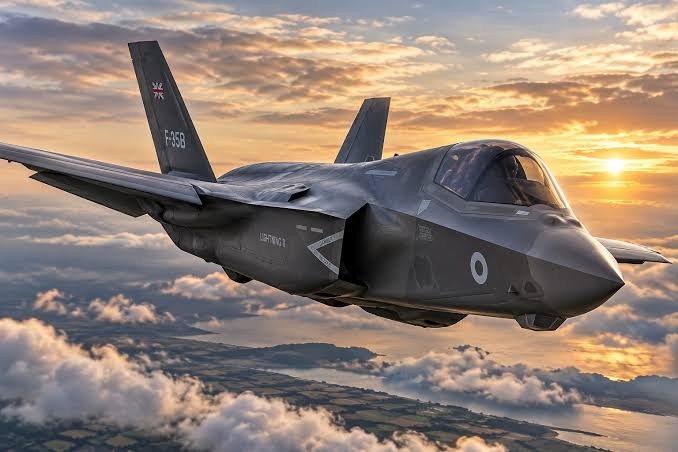
The Distributed Aperture System provides a 360-degree view around the aircraft, effectively giving pilots the ability to see through the airframe itself using their helmet-mounted display. This level of situational awareness was largely unavailable in previous fighter generations and represents a fundamental shift in how pilots interact with their aircraft during high-stakes combat scenarios.
Engine Performance and Flight Characteristics
Powering the Lockheed Martin F-35 Lightning II is the Pratt & Whitney F135 engine, one of the most powerful fighter jet engines ever produced. This single-engine configuration generates substantial thrust, enabling supersonic flight while maintaining the fuel efficiency needed for extended mission ranges. The F-35B variant uses a specialized lift fan system that allows for vertical takeoff and landing capabilities, a complex engineering achievement that required extensive testing and refinement. While the aircraft was not originally designed to prioritize dogfighting agility in the traditional sense, its thrust-to-weight ratio and advanced flight control systems still provide competitive maneuverability. Combined with its stealth characteristics, the propulsion system allows the aircraft to operate effectively across a wide range of combat scenarios and environmental conditions.
Global Adoption and Partner Nations
The international appeal of the Lockheed Martin F-35 Lightning II has grown substantially since production began, with numerous countries selecting it as their primary next-generation fighter platform. Nations across Europe, Asia, and the Middle East have either purchased or expressed strong interest in acquiring the aircraft, drawn by its interoperability with allied forces and advanced capabilities. This widespread adoption creates a shared logistics and training ecosystem, allowing partner nations to conduct joint operations more efficiently than with disparate aircraft types. Below is a simplified overview of how the aircraft’s variants align with typical operational needs across different military branches.
| Variant | Takeoff Type | Primary Operator Type | Key Feature |
|---|---|---|---|
| F-35A | Conventional | Air Force branches | Extended range and payload |
| F-35B | Short/Vertical | Marine and amphibious forces | Operates from short runways |
| F-35C | Carrier-based | Naval aviation | Reinforced structure for carrier landings |
Weapons Systems and Combat Payload
Combat effectiveness of the Lockheed Martin F-35 Lightning II extends beyond stealth and sensors into its weapons integration capabilities. The aircraft can carry a diverse range of munitions, including air-to-air missiles, precision-guided bombs, and specialized standoff weapons designed for striking heavily defended targets. Internal weapons bays preserve stealth characteristics during high-threat missions, while external hardpoints can be utilized when stealth is less of a priority, significantly increasing total payload capacity. The aircraft also features an internal cannon on certain variants for close-range engagements. Continuous software updates have expanded weapons compatibility over time, ensuring the platform remains relevant as new munitions and threats emerge. This flexibility allows military planners to tailor loadouts based on specific mission requirements, whether focused on air superiority, ground attack, or suppression of enemy defenses.
Role in Modern Military Strategy
Beyond its individual capabilities, the Lockheed Martin F-35 Lightning II plays a central role in broader military strategy through its ability to function as an information hub. The aircraft can share real-time data with ground forces, naval assets, and other aircraft, effectively acting as a networked node within a larger combat ecosystem. This capability transforms the fighter from a standalone weapons platform into a critical component of coordinated, multi-domain operations. Military planners increasingly view the aircraft not just for its individual combat performance but for how it enhances the effectiveness of surrounding forces through shared situational awareness. As modern warfare continues shifting toward network-centric approaches, this data-sharing capability may ultimately prove as valuable as the aircraft’s stealth characteristics and weapons systems combined.
Challenges, Criticism, and Ongoing Development
Like any ambitious defense program, the Lockheed Martin F-35 Lightning II has faced its share of scrutiny throughout its development and deployment history. Critics have pointed to program costs, maintenance complexity, and software development delays as persistent challenges. Sustainment costs, in particular, have drawn attention from defense analysts and government oversight bodies concerned about long-term affordability. However, Lockheed Martin and partner organizations have continued refining production processes, reducing per-unit costs over time as manufacturing scaled and efficiencies improved. Software upgrades continue rolling out to address early limitations and expand capabilities, reflecting the program’s iterative development philosophy. These ongoing improvements demonstrate a commitment to addressing legitimate concerns while maintaining the aircraft’s position as a leading fifth-generation fighter platform for decades to come.
Conclusion
The Lockheed Martin F-35 Lightning II stands as a defining achievement in modern military aviation, blending stealth technology, advanced avionics, and multinational cooperation into a single versatile platform. From its three distinct variants serving different operational needs to its role as a networked information hub on the battlefield, the aircraft has reshaped expectations for what a fighter jet can accomplish. While challenges around cost and complexity remain part of its ongoing story, continuous upgrades and expanding international adoption suggest the platform’s influence will only grow. As global defense priorities evolve and threats become increasingly sophisticated, the Lockheed Martin F-35 Lightning II is positioned to remain a cornerstone of allied air power, demonstrating how thoughtful engineering and strategic vision can produce a genuinely transformative military asset for generations of pilots and defense planners alike.
Leave a Reply