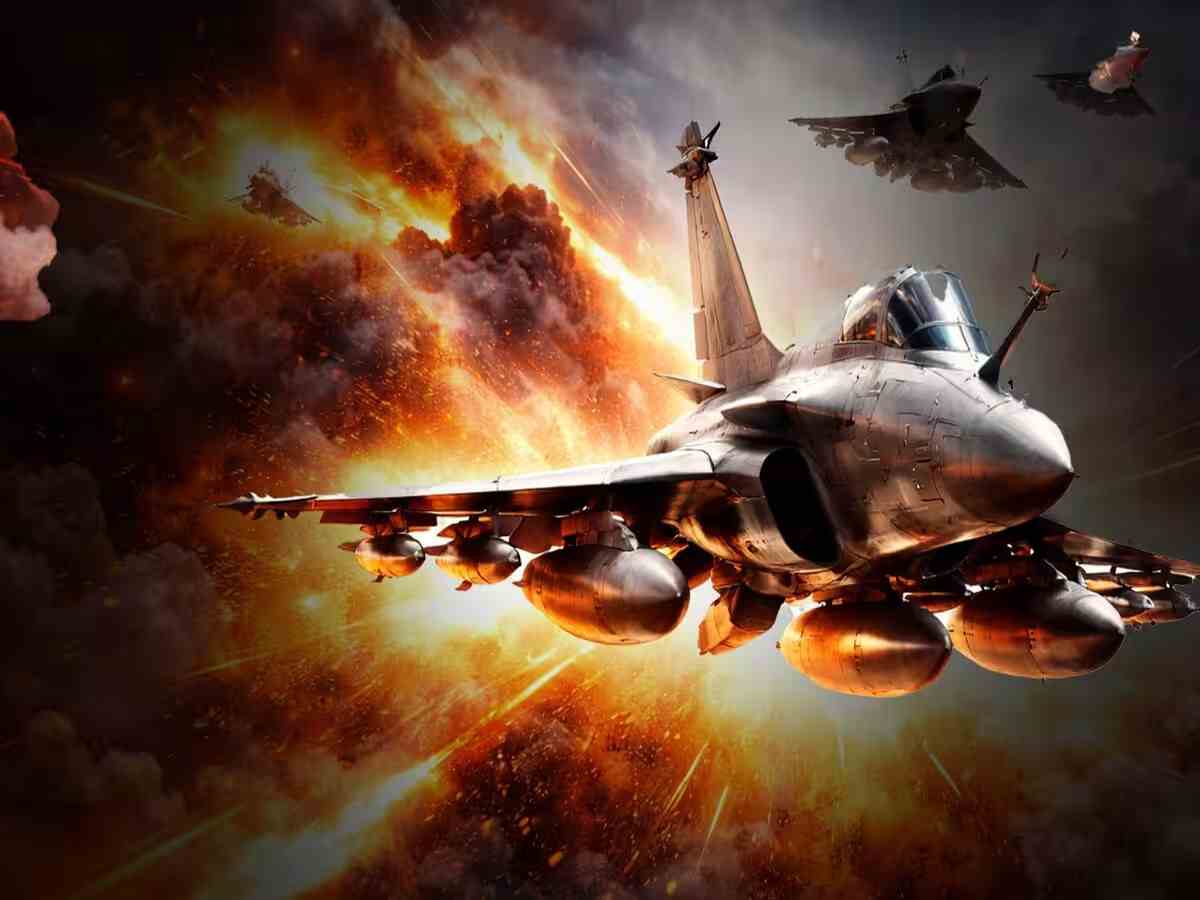
The Rafale fighter jet India program has become one of the most talked-about defence developments in recent years. Built by French aerospace company Dassault Aviation, the Rafale is a twin-engine, multirole combat aircraft designed to handle air superiority, ground attack, reconnaissance, and nuclear deterrence missions within a single airframe. For the Indian Air Force, the aircraft represents more than just another fighter jet; it symbolizes a strategic shift toward modern, combat-proven technology at a time when neighbouring air forces are rapidly upgrading their own fleets. With regional tensions persisting along both the western and northern borders, India has prioritized closing gaps in its ageing fighter inventory. The Rafale, known for its agility, advanced avionics, and versatile weapons systems, has become central to that effort, reshaping how the country approaches long-term air power planning.
The Origins of the Rafale Deal With India
India’s relationship with the Rafale began with a 2016 intergovernmental agreement to acquire 36 aircraft in a fly-away condition directly from France. This original agreement, valued at roughly ₹59,000 crore, aimed to quickly reinforce squadrons that had been thinning out due to the retirement of older Soviet-era jets. Deliveries began in mid-2020, and the aircraft were inducted into two frontline squadrons. The initial rollout proved that the Rafale could integrate smoothly into Indian operational protocols, despite the complexities of adapting a foreign platform to indigenous requirements. This early success laid the groundwork for future expansion, showing policymakers that the aircraft could deliver both performance and reliability. It also demonstrated India’s growing preference for combining foreign expertise with domestic industrial participation in high-value defence procurement.
Where the Rafale Fighter Jet India Fleet Stands Now
Today, the Rafale fighter jet India fleet operates from two key airbases, each hosting a dedicated squadron. These units have become integral to India’s frontline combat readiness, especially given ongoing pressure to modernize amid a persistent squadron shortfall. The Indian Air Force currently maintains far fewer squadrons than its sanctioned strength, making every new addition strategically significant.
Key highlights of the current Rafale fleet include:
- Two operational squadrons stationed at strategically important airbases
- Integration with India-specific enhancements, including specialized radar warning systems
- Compatibility with long-range air-to-air missiles for beyond-visual-range engagements
- Precision-guided munitions suited for both conventional and rapid-response strikes
- A naval variant ordered separately to support carrier-based operations
This existing fleet has already proven its worth during high-alert situations, giving military planners confidence that a larger induction would meaningfully strengthen national defence capabilities.
The Landmark 114-Jet Expansion
The most significant recent development in the Rafale fighter jet India narrative is the approval of a much larger acquisition. Under India’s Multi-Role Fighter Aircraft program, the government cleared a proposal for 114 additional Rafale jets, making it the country’s largest-ever single defence procurement. Unlike the earlier deal, only a small initial batch would arrive directly from France, while the majority would be manufactured domestically through a licensed production arrangement with an Indian industrial partner. This structure reflects the government’s broader “Make in India” defence policy, which emphasizes building technological self-reliance rather than depending entirely on imports. The scale of the agreement, reportedly worth well over $30 billion, underscores how seriously India is treating its air power deficit. Analysts view this expansion as a long-term bridge solution while indigenous fifth-generation fighter programs continue their slower development timeline.
Why India Needs the Rafale Now More Than Ever
India’s air force has long operated below its sanctioned squadron strength, a gap that has widened as older aircraft types are retired faster than replacements arrive. This shortfall directly affects operational flexibility, especially given simultaneous security challenges on two fronts. The Rafale fighter jet India acquisition addresses this urgency in several ways. First, it offers a combat-proven platform rather than an experimental one, reducing induction risk. Second, its multirole design allows a single aircraft type to fulfill multiple mission profiles, simplifying logistics and training. Third, the localized manufacturing component supports long-term self-sufficiency, reducing dependency on foreign maintenance and spare parts. Together, these factors explain why defence planners view the Rafale not merely as a stopgap purchase but as a foundational element of India’s evolving airpower doctrine for the next two decades.
Rafale Fighter Jet India: Key Specifications at a Glance
| Feature | Details |
|---|---|
| Manufacturer | Dassault Aviation, France |
| Aircraft Type | Twin-engine, multirole fighter |
| Primary Roles | Air superiority, ground attack, reconnaissance, nuclear deterrence |
| Combat Range | Approximately 1,850 kilometers |
| Weapons Integration | Long-range air-to-air and precision strike missiles |
| Current IAF Squadrons | Two operational squadrons |
| Additional Order | 114 jets under the MRFA program |
| Production Model | Partial fly-away, majority India-assembled |
This table highlights why the aircraft continues to dominate discussions around India’s fighter modernization strategy.
Comparing the Rafale to India’s Existing Fleet
To understand the significance of the Rafale fighter jet India program, it helps to compare it with other aircraft currently in service. India’s fleet still relies heavily on aircraft that entered service decades ago, alongside a growing number of indigenous light combat aircraft. The Rafale distinguishes itself through its combination of stealth-assisting features, advanced sensor fusion, and proven performance in real combat scenarios abroad. While indigenous programs promise long-term self-reliance, they remain years away from matching the Rafale’s current operational maturity. This is why defence experts frequently describe the Rafale as a transitional but essential asset—one that keeps the air force competitive while homegrown fifth-generation technology continues to mature. The aircraft essentially buys India time without compromising immediate combat readiness.
Strategic and Economic Implications
Beyond its battlefield capabilities, the Rafale fighter jet India deal carries significant economic and geopolitical weight. The localized manufacturing component is expected to create thousands of skilled jobs within India’s aerospace sector, while also strengthening ties between Indian and French defence industries. Politically, the acquisition reinforces India’s position as a major global defence buyer capable of negotiating complex, high-value agreements. It also sends a clear signal to regional neighbours about India’s commitment to maintaining a technologically superior air force. Economically, while the price tag is substantial, defence analysts argue that the long-term value—spanning decades of service life, technology transfer, and industrial growth—justifies the investment. This blend of military necessity and economic strategy makes the Rafale program one of the most closely watched defence initiatives in recent Indian history.
Conclusion
The Rafale fighter jet India journey, from an initial 36-aircraft agreement to a transformative 114-jet expansion, reflects a broader evolution in the country’s defence priorities. It is no longer just about acquiring capable aircraft; it is about building a sustainable, self-reliant air combat ecosystem that can meet evolving security challenges. As squadrons continue to grow and domestic manufacturing capabilities expand, the Rafale is poised to remain a cornerstone of India’s airpower strategy for years to come. Its blend of proven combat performance, technological sophistication, and strategic timing makes it far more than a single procurement decision—it represents a long-term commitment to safeguarding national security while strengthening India’s place in the global defence manufacturing landscape.
Leave a Reply