
Mid-July 2026 has been a busy stretch for aviation innovation, with electric aircraft, sustainable fuel milestones, and supersonic flight regulations all making headlines.
Business Jets Push New Boundaries
Gulfstream has had a landmark month. The manufacturer’s G800 ultra-long-haul jet completed a record flight, announced on July 1, 2026, marking a new chapter for private aviation. According to industry coverage, the G800 was involved in the farthest, fastest flight in business aviation history — 9,555 miles in 17 hours. Just days later, Gulfstream and its partners flew a G800 on 100% sustainable aviation fuel (SAF) for the first time, to study its impact on non-CO2 emissions.
Electric and Hybrid Aircraft Gain Ground
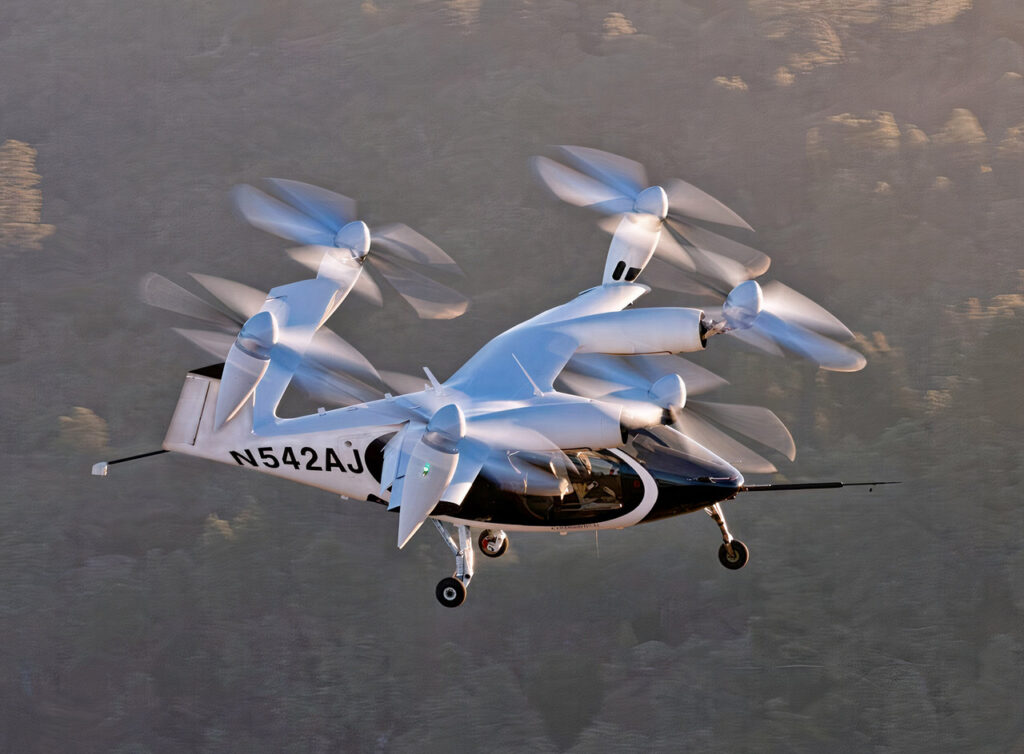
Electric propulsion continues to move from prototype to real-world testing. This week, Beta Technologies began eIPP demonstrations while South Korea advances a hybrid eVTOL plan, and DJI is preparing its first fixed-wing drone. Elsewhere, Beta Technologies and Surf Air Mobility have started flying the all-electric Alia CX300 across Hawaii, an early real-world test of regional electric air travel.
On the engineering side, CFM’s RISE program is advancing Open Fan engine architecture, which is being designed not just for efficiency but also for durability through adaptive cycle engine capability — a step toward cleaner, more resilient jet engines for the next generation of narrowbody aircraft.
Supersonic Flight Moves Closer to Reality
Regulators are also catching up with faster-than-sound ambitions. The FAA has proposed a rule that would pave the way for supersonic flights over the U.S., introducing a new noise certification standard. In parallel, NASA’s X-59 experimental jet is nearing its first supersonic test flight — a milestone that could shape how commercial supersonic travel is regulated in the years ahead.
Ground Technology Is Catching Up Too
It’s not just the custom Models evolving. Airports are modernizing behind the scenes: fuel farms are increasingly adopting smart monitoring systems that give real-time data on tank levels, flow rates, temperature, and system performance, while cybersecurity is becoming a growing priority for airport infrastructure as more systems become connected.
What to Watch Next
Much of this innovation will be on display later this month, as EAA AirVenture Oshkosh 2026 highlights the future of aviation technology on July 21, with exhibits on Boeing Plaza and demonstrations during the Tuesday air show — expect updates on electric aircraft, drones, and next-gen general aviation tech from the event.
Leave a Reply