
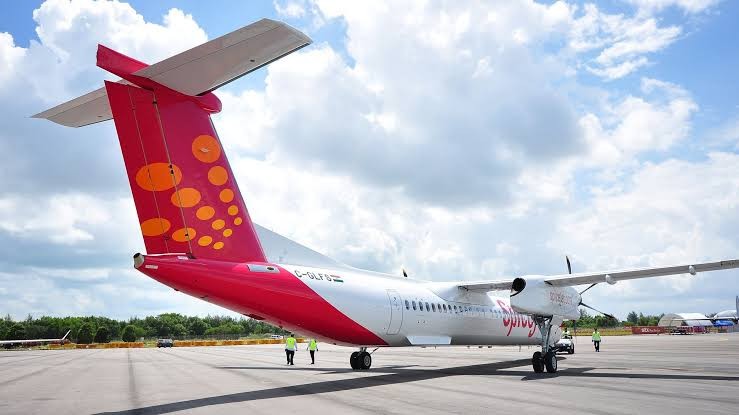
SpiceJet is one of India’s most recognisable low-cost carriers, known for connecting smaller cities with major metros at affordable fares. Founded in 1984 and headquartered in Gurugram, the airline has gone through several transformations, shifting from a full-service carrier to a budget airline model that appeals to price-conscious travellers. Over the decades, SpiceJet has built a reputation for opening routes that other airlines often overlook, particularly to tier-two and tier-three cities across India.
The airline’s business model revolves around keeping operational costs low while maximising seat occupancy, a strategy common among budget carriers worldwide. Despite facing financial turbulence in recent years, SpiceJet continues to hold a meaningful share of India’s domestic aviation market. For travellers, understanding how this airline operates, what it offers, and what challenges it has faced can help in making informed booking decisions, especially during a period of active fleet rebuilding and network expansion.
A Brief History of the Airline
SpiceJet began its journey in the mid-1980s but only started commercial operations as a low-cost airline in 2005. Its founding vision was simple: make air travel accessible to the average Indian traveller who previously relied on trains for long-distance journeys. This philosophy helped the airline expand rapidly through the late 2000s and early 2010s, becoming a serious competitor to other domestic carriers.
The company has changed ownership multiple times, with different promoter groups steering its direction. These transitions brought both opportunities and setbacks. At various points, the airline expanded aggressively into new markets, only to scale back due to financial pressure. Legal disputes with former promoters and aircraft lessors have also shaped its recent history, leading to periods where parts of its fleet were grounded pending resolution of payment disputes. Despite these hurdles, the brand has remained a familiar name in Indian skies for nearly two decades.
Fleet and Current Operations
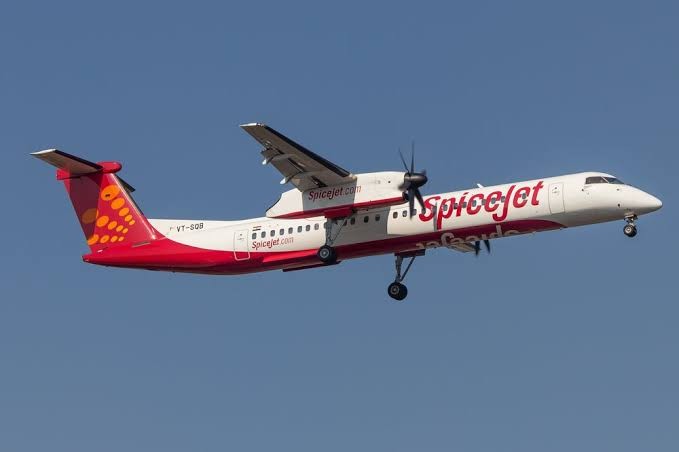
The size of SpiceJet’s operating fleet has fluctuated considerably in recent years due to financial constraints, lease terminations, and maintenance backlogs. At certain points in 2025, the airline had dozens of aircraft grounded simultaneously, which affected its capacity to run scheduled flights reliably. In 2026, the airline has been working to reverse this trend through a mix of new aircraft leases, reactivation of grounded planes, and the induction of previously wet-leased jets.
Recent reports indicate the company has agreed to lease around 20 additional aircraft to prepare for the winter travel season, alongside efforts to increase available seat kilometres substantially compared to previous quarters. This rebuilding phase reflects the airline’s broader strategy of restoring network presence after a period of reduced operations. Passengers booking with SpiceJet during this transition should stay updated on flight status, as schedule changes have occurred more frequently while the fleet ramps back up.
Popular Routes and Network
SpiceJet has traditionally focused on connecting underserved domestic destinations with larger commercial hubs. This approach has made it a preferred choice for travellers heading to pilgrimage sites, tourist destinations, and smaller state capitals that lack extensive service from other carriers.
Some of the notable route categories the airline has served or expanded into include:
- Pilgrimage and religious destinations such as Ayodhya and Varanasi
- Heritage and tourist cities including Jaipur, Udaipur, and Jaisalmer
- Regional connections linking smaller airports to major metro hubs
- International short-haul routes to destinations like Bangkok, Phuket, and Kathmandu
- Gulf-region connections, including flights that have historically served Sharjah and Dubai
It’s worth noting that some international routes, including certain Gulf connections, have faced temporary suspensions tied to the airline’s cash flow challenges. Travellers planning international trips should always verify current route availability directly before finalising travel plans, as these routes can be reinstated or paused depending on the airline’s financial and operational situation.
Booking Tickets with SpiceJet
Booking a flight with SpiceJet follows a process similar to other low-cost carriers. Fares are typically tiered, meaning prices rise as seats fill up, so early booking tends to secure better rates. The airline also offers various fare bundles that include different baggage allowances, meal options, and flexibility on date changes.
Here are a few practical tips for booking:
- Compare fare classes carefully, as the cheapest option may not include checked baggage
- Book during off-peak hours or weekdays when fares are often lower
- Watch for seasonal sales, which the airline periodically runs on domestic routes
- Double-check baggage policies before travelling, since budget carriers often charge extra for additional weight
- Keep an eye on flight status notifications, particularly given recent operational disruptions
Since the airline has experienced schedule adjustments during its fleet rebuilding phase, it’s advisable to book through official channels and keep contact details updated so you receive timely alerts about any changes to your itinerary.
Financial Challenges and Recovery Efforts
Like several airlines globally, SpiceJet has faced significant financial strain over the past few years. Rising fuel costs, currency depreciation, high aircraft lease liabilities, and legal disputes with former stakeholders have all contributed to sustained losses. Quarterly results in recent periods showed the company reporting substantial net losses, partly driven by foreign exchange fluctuations and the cost of maintaining grounded aircraft.
To address these challenges, the airline has pursued multiple recovery strategies, including capital raises through institutional placements, negotiations with lessors, and government-backed emergency funding support. Reports suggest the airline received an initial funding tranche under a credit guarantee scheme, with additional support under review. There have also been unconfirmed reports of external investors evaluating a potential stake in the company, though such discussions remain preliminary. This ongoing financial restructuring is central to understanding the airline’s current operational patterns and its ability to expand routes and fleet size going forward.
Comparing SpiceJet with Other Budget Carriers
To understand where SpiceJet stands in India’s competitive aviation market, it helps to compare it against other low-cost carriers on a few key parameters.
| Feature | SpiceJet | Typical Budget Rival |
|---|---|---|
| Route Focus | Tier-two/three cities plus metros | Primarily metro-to-metro |
| Fleet Stability | Rebuilding after grounding issues | Generally more consistent |
| International Reach | Select Gulf and Southeast Asia routes | Broader established networks |
| Fare Structure | Tiered, budget-friendly | Similar tiered pricing |
| Recent Financial Position | Under restructuring | Comparatively stable |
This comparison shows that while SpiceJet offers valuable connectivity to lesser-served destinations, it currently trails some competitors in terms of fleet reliability and financial stability. However, its niche focus on regional connectivity remains a distinct advantage that keeps it relevant in the market.
What Travellers Should Keep in Mind
Anyone considering SpiceJet for an upcoming trip should approach booking with a few precautions in mind, especially given the airline’s ongoing operational adjustments. Checking flight status closer to the travel date, opting for travel insurance where possible, and avoiding tightly connected itineraries can help reduce the impact of potential delays or schedule changes.
At the same time, the airline’s efforts to expand its fleet and restore capacity suggest a genuine push toward stabilising operations heading into the winter season. For travellers seeking affordable fares to regional destinations not well served by larger carriers, SpiceJet can still be a practical option, provided expectations around reliability are realistic given the airline’s current transition phase.
Conclusion
SpiceJet remains a significant part of India’s aviation story, having introduced budget air travel to millions of passengers over the past two decades. While recent years have brought financial and operational difficulties, the airline’s ongoing efforts to expand its fleet, secure funding, and rebuild its network indicate a determined push toward recovery. For travellers, the key takeaway is to stay informed, book thoughtfully, and monitor updates closely when flying with SpiceJet, particularly during this active rebuilding period. As the airline works to restore capacity and reliability, it continues to hold relevance as a connector between India’s smaller cities and its major urban centres, keeping affordable air travel within reach for a broad segment of passengers.
Leave a Reply