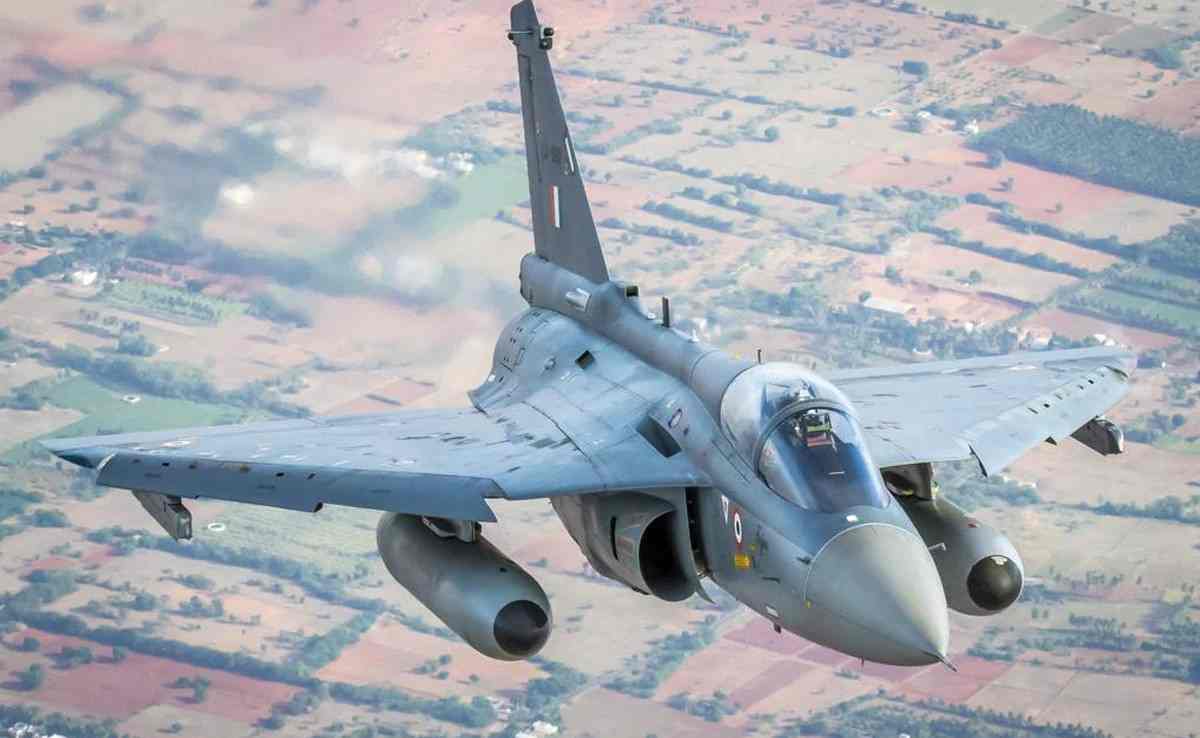
The Tejas aircraft stands as one of India’s proudest achievements in defence manufacturing. Built by Hindustan Aeronautics Limited (HAL) in partnership with the Aeronautical Development Agency (ADA), this single-engine, multirole combat jet was designed to modernize the Indian Air Force’s fleet while reducing dependency on foreign-built fighters. First flown in 2001 and inducted into active service in 2015, the Tejas aircraft has since become a symbol of self-reliance under India’s “Atmanirbhar Bharat” defence vision. Compact, agile, and capable of operating in demanding combat environments, it was conceived as a replacement for the ageing MiG-21 fleet. Today, it continues to evolve through newer variants, each bringing improved avionics, radar systems, and weapons integration to keep pace with modern aerial warfare requirements.
The Origins and Development Journey
The story of the Tejas aircraft dates back several decades, when India recognized the urgent need for a domestically produced fighter jet. The MiG-21, while effective in its time, had gained an unfortunate reputation for frequent accidents, prompting the nation to invest heavily in indigenous aerospace research. Development of the aircraft involved years of engineering trials, prototype testing, and refinement of aerodynamic design. The delta-wing configuration chosen for the Tejas aircraft gives it excellent maneuverability and a lightweight airframe suited for both air defence and ground attack missions. Although the program faced repeated delays due to technological and supply-chain challenges, it eventually matured into a credible fighter platform, proving that India could design and build a competitive combat aircraft largely with domestic expertise and components.
Key Variants of the Tejas Aircraft
Over the years, the Tejas aircraft program has expanded into multiple variants, each tailored for specific operational needs. Understanding these variants helps clarify how the platform has grown in sophistication.
- Tejas Mark 1 – The original production version delivered to the IAF in both Initial and Final Operational Clearance configurations
- Tejas Mark 1A – An upgraded variant featuring an active electronically scanned array radar, enhanced electronic warfare suite, and improved maintainability
- Tejas Trainer – A two-seat version used for pilot training and familiarization
- Tejas Mark 2 – A larger, more powerful medium-weight fighter currently under development, expected to bring 4.5-generation capabilities
Each variant reflects a step forward in capability, showing how the program continues to adapt to evolving combat requirements and technological advancements.
Technical Specifications and Performance
The Tejas aircraft is engineered for speed, agility, and versatility across multiple mission profiles. Its lightweight composite airframe reduces radar cross-section while improving fuel efficiency and payload capacity. Below is a quick overview of some notable specifications associated with the platform.
| Specification | Details |
|---|---|
| Aircraft Type | Single-engine, multirole fighter |
| Top Speed | Approximately 2,220 km/h |
| Service Ceiling | Around 16,000 meters |
| Range | Roughly 3,000 km |
| Max Takeoff Weight | About 13,500 kg |
| Engine | GE F404 series |
These figures highlight why the Tejas aircraft is considered a capable platform for air superiority, ground attack, and reconnaissance roles, despite its relatively compact size compared to heavier fighter jets.
Role in the Indian Air Force and Navy
The Tejas aircraft primarily serves the Indian Air Force, with squadrons operating from bases across the country. Its induction marked a significant milestone, as the IAF finally gained a fighter jet built almost entirely on domestic soil. The aircraft has taken part in several major exercises, showcasing its combat readiness alongside other frontline jets. Beyond the Air Force, a naval variant has also been explored, aimed at operating from India’s aircraft carriers.
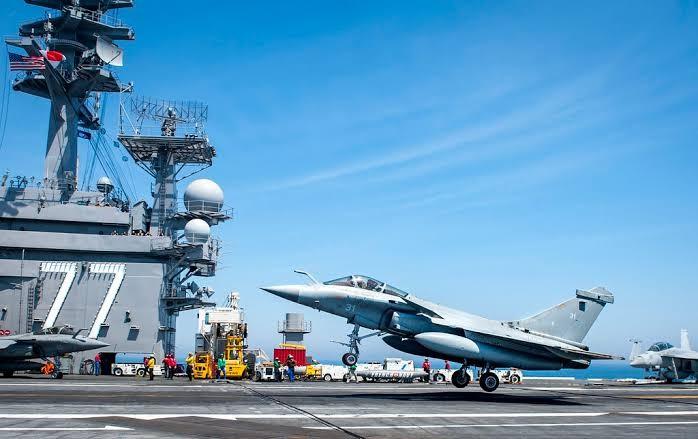
This dual application demonstrates the platform’s flexibility and the confidence defence planners place in its design. As squadrons continue to expand, the Tejas aircraft is gradually becoming a backbone of India’s tactical airpower, replacing older aircraft that no longer meet modern operational standards.
Production Challenges and Engine Supply Issues
Despite its promise, the Tejas aircraft program has faced notable production hurdles, particularly concerning engine deliveries. The F404 engines, supplied by an American manufacturer, experienced delays tied to global supply chain disruptions and workforce shortages following the pandemic. These setbacks pushed back delivery timelines for the Mark 1A variant, drawing criticism from defence analysts and airpower planners. HAL has repeatedly reaffirmed its commitment to ramping up production once engine supplies stabilize, with several aircraft reportedly airworthy and awaiting final integration. This experience has underscored the importance of diversifying critical component sourcing and strengthening domestic engine manufacturing capabilities, a lesson that will likely influence future indigenous defence projects, including the more advanced Mark 2 variant.
Export Potential and Global Interest
Interest in the Tejas aircraft has extended beyond India’s borders, with HAL pitching the platform to several international customers seeking affordable yet capable fighter jets. Its relatively lower cost compared to Western alternatives makes it an attractive option for nations with constrained defence budgets. Proposals have been shared with multiple prospective buyers, positioning the aircraft as a viable choice for countries looking to modernize their air forces without the high price tag of more advanced platforms. While no major export deal has been finalized yet, continued diplomatic engagement and demonstration flights at international air shows suggest growing global curiosity. Success in securing even a handful of export contracts could significantly boost India’s standing as a credible aerospace exporter.
The Road Ahead: Tejas Mark 2 and Beyond
Looking forward, the Tejas aircraft program is set to enter an exciting new phase with the Mark 2 variant. This upgraded jet promises a larger airframe, more powerful engine, and expanded weapons capacity, positioning it closer to true 4.5-generation status. Development has progressed steadily, with prototypes moving toward flight testing and eventual induction later this decade. Parallel to this, India is also working on a fifth-generation stealth fighter, which will complement the Tejas aircraft family rather than replace it outright. Together, these programs reflect a long-term strategy of layered airpower, combining affordable, versatile platforms like Tejas with more advanced stealth capabilities for future high-intensity conflicts.
Conclusion
The Tejas aircraft represents far more than just a fighter jet; it embodies India’s determination to build a self-sufficient defence ecosystem. From its challenging development phase to its current role safeguarding Indian skies, the aircraft has demonstrated resilience through engineering setbacks, supply chain hurdles, and evolving operational demands. As newer variants like the Mark 2 move closer to reality, the platform’s significance will only grow, both domestically and potentially on the export market. For anyone following India’s defence modernization story, the Tejas aircraft offers a compelling case study of ambition, innovation, and gradual but steady progress toward true aerospace independence.
Leave a Reply