
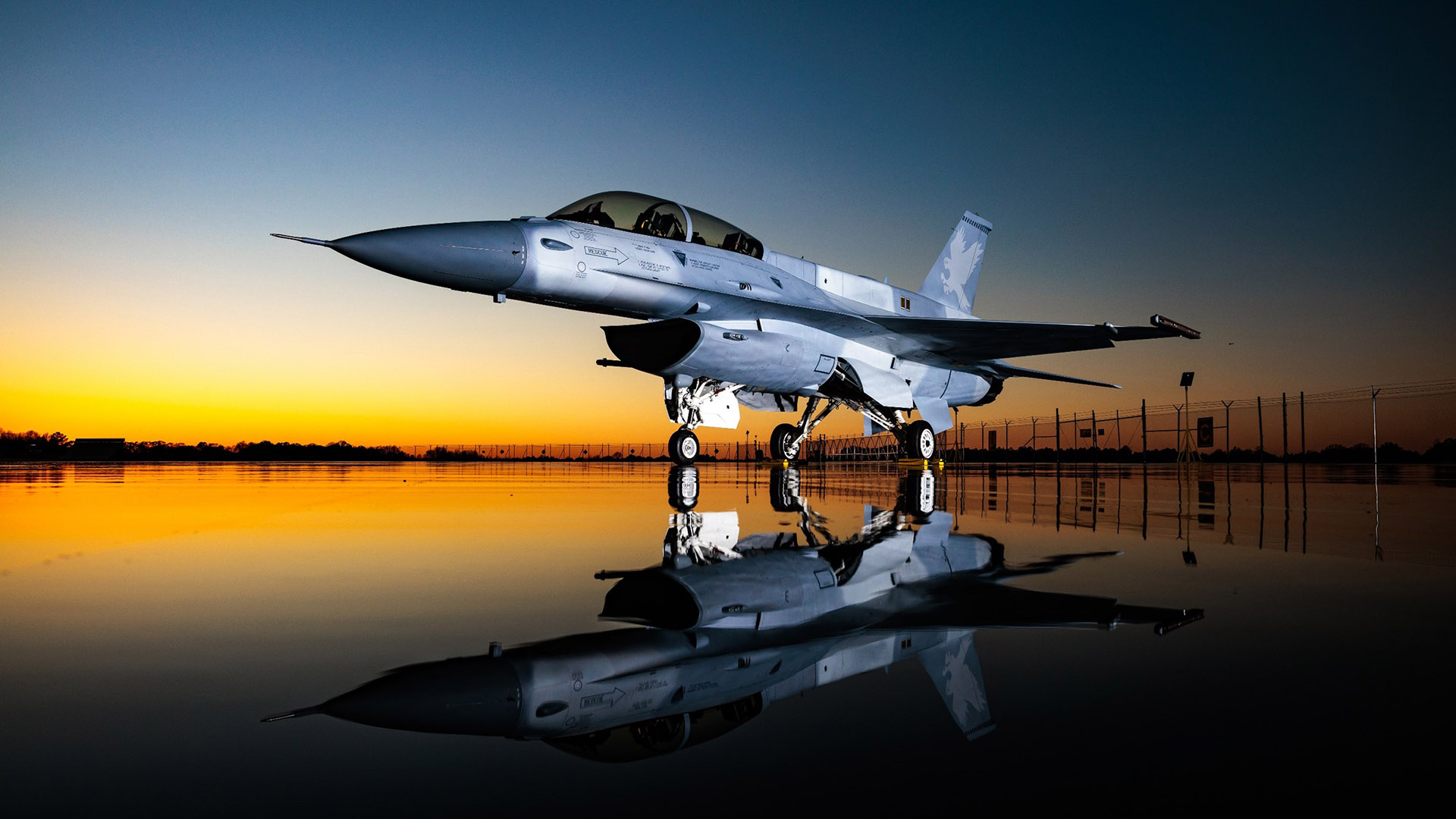
Few aircraft in aviation history have earned the reputation that the F-16 fighter jet holds today. Introduced in the late 1970s by General Dynamics, later acquired by Lockheed Martin, this single-engine multirole aircraft was designed to outmaneuver larger, heavier jets while remaining cost-effective to produce and maintain. Its lightweight airframe, bubble canopy, and fly-by-wire flight controls set it apart from earlier generation fighters. What began as a lightweight day fighter concept evolved into one of the most versatile combat aircraft ever built. Decades later, the F-16 fighter jet continues to serve frontline duty in numerous air forces, proving that smart engineering choices made generations ago still hold relevance in an era dominated by stealth technology and unmanned systems.
Engineering That Redefined Aerial Combat
The design philosophy behind the F-16 fighter jet centered on agility rather than brute strength. Engineers prioritized a high thrust-to-weight ratio, allowing the aircraft to accelerate quickly and sustain tight turns during dogfights. The relaxed static stability design, paired with computer-assisted flight controls, gave pilots handling characteristics that felt almost intuitive compared to older analog systems. Instead of relying purely on raw power, the aircraft used aerodynamic efficiency to gain an edge over adversaries.
The bubble canopy deserves special mention because it gave pilots nearly unobstructed 360-degree visibility, a feature that proved invaluable in close-range engagements. Combined with a single reliable engine, simplified maintenance routines, and a relatively small radar cross-section for its era, the jet became a favorite among air forces seeking performance without excessive operating costs. This blend of simplicity and capability is part of why so many nations still fly it decades after its debut.
Multirole Versatility in Modern Warfare
One of the biggest reasons the F-16 fighter jet remains relevant is its adaptability. Originally conceived as an air superiority fighter, it quickly evolved into a true multirole platform capable of handling air-to-air combat, ground attack missions, and reconnaissance duties. This flexibility allows military planners to deploy a single airframe for multiple mission types rather than maintaining separate specialized fleets.
Modern variants carry advanced radar systems, precision-guided munitions, and electronic warfare pods that were unimaginable when the aircraft first entered service. Software upgrades have allowed older airframes to gain capabilities once reserved for newer jets, extending their service life significantly. This upgrade path has made the aircraft financially attractive for countries with limited defense budgets, since they can modernize existing fleets instead of purchasing entirely new aircraft.
Some of the mission types the aircraft regularly performs include:
- Air superiority and interception operations
- Close air support for ground troops
- Suppression of enemy air defenses
- Aerial reconnaissance and surveillance
- Training exercises for allied air forces
Powerplant and Performance Metrics
Performance remains a defining trait of the F-16 fighter jet, and much of that comes down to its engine options. Depending on the variant, the aircraft uses either a Pratt & Whitney or General Electric turbofan engine, both capable of producing substantial afterburning thrust. This power allows the jet to exceed twice the speed of sound at altitude while maintaining maneuverability that rivals aircraft twice its size.
Below is a simplified overview of key performance characteristics often associated with modern F-16 variants:
| Specification | Approximate Value |
|---|---|
| Maximum Speed | Mach 2.0 |
| Combat Radius | Over 500 miles |
| Service Ceiling | Around 50,000 feet |
| Empty Weight | Roughly 20,000 pounds |
| Engine Thrust | Up to 29,000 pounds with afterburner |
These figures vary slightly between production blocks and configurations, but they illustrate why the aircraft continues to hold its own against newer designs. High agility combined with strong thrust output gives pilots a genuine tactical advantage in contested airspace.
Global Reach and International Service
Very few combat aircraft have achieved the international footprint of the F-16 fighter jet. Air forces across North America, Europe, the Middle East, and Asia operate variants of this aircraft, making it one of the most widely used fighters in the non-stealth category. This widespread adoption has created a massive support ecosystem, including standardized training programs, shared maintenance knowledge, and interoperability between allied nations during joint exercises.
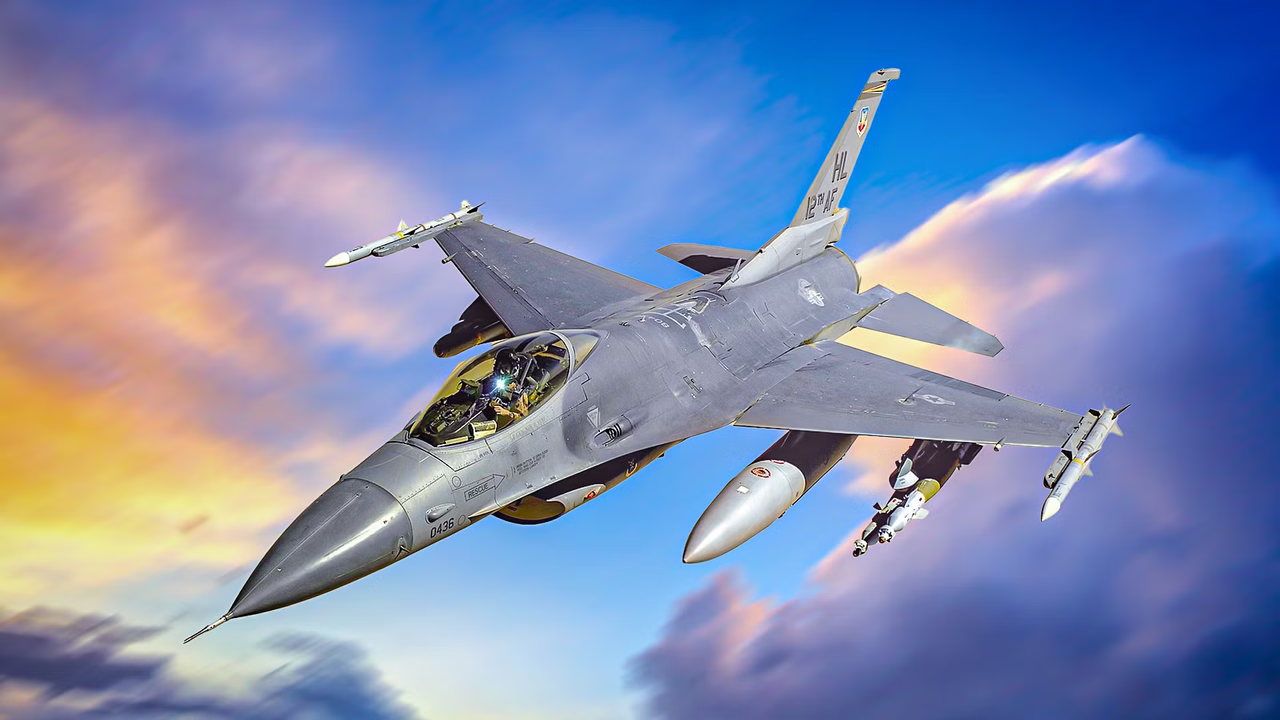
Because so many countries fly the same base platform, coalition operations become significantly easier to coordinate. Pilots trained on one nation’s fleet can often transition to another country’s squadron with minimal retraining, and spare parts logistics benefit from economies of scale. This shared operational culture has strengthened diplomatic and military partnerships, particularly among nations that rely on collective defense agreements.
Export versions are frequently tailored to meet specific regional requirements, whether that means enhanced avionics, unique weapons integration, or modified radar systems suited to particular threat environments. This customization keeps the airframe relevant regardless of geographic or strategic context.
Avionics and Weapons Integration
Modern combat effectiveness depends heavily on sensors and weapons systems, and this is another area where the F-16 fighter jet has continually evolved. Early models relied on relatively basic radar and targeting systems, but contemporary versions feature active electronically scanned array radar, advanced targeting pods, and helmet-mounted display systems that allow pilots to lock onto targets simply by looking at them.
Weapons compatibility has also expanded dramatically. The aircraft can carry a wide range of air-to-air missiles, precision-guided bombs, anti-ship weapons, and electronic countermeasure pods. This flexibility means a single squadron can be tasked with dramatically different missions depending on operational needs, from intercepting hostile aircraft to conducting precision strikes against ground targets.
Data-sharing capabilities have also improved substantially, enabling pilots to receive real-time battlefield information from other aircraft, ground stations, or satellites. This networked approach to warfare transforms the aircraft from a standalone fighter into a connected node within a broader combat system, enhancing situational awareness for the entire mission package.
Training, Maintenance, and Operational Costs
Sustaining a fighter fleet requires more than just impressive specifications; operational economics matter just as much. The F-16 fighter jet has long been praised for its relatively low maintenance burden compared to more complex aircraft. Its modular design allows technicians to replace components efficiently, reducing aircraft downtime and keeping squadrons combat-ready.
Training pipelines built around this aircraft are equally mature. Decades of operational experience have produced standardized curricula, simulator programs, and maintenance manuals that streamline the process of preparing new pilots and ground crews. This maturity reduces the learning curve for air forces adopting the aircraft for the first time, since established best practices already exist.
Cost efficiency extends to fuel consumption and spare parts availability as well. Because so many nations operate the platform, parts remain in steady production, preventing the supply shortages that sometimes plague less common aircraft types. For defense budgets that must balance capability with affordability, this combination of performance and practicality remains a significant selling point.
Adapting to Modern Threats
As stealth aircraft and unmanned systems reshape the battlefield, some might assume older platforms would become obsolete. Yet the F-16 fighter jet continues adapting through incremental but meaningful upgrades. Enhanced radar cross-section reduction techniques, improved electronic warfare suites, and advanced countermeasure systems help the aircraft survive in increasingly contested airspace.
Software-driven upgrades have played a particularly important role. Rather than redesigning the airframe entirely, engineers have focused on improving mission computers, sensor fusion, and communication systems. This approach allows older aircraft to receive capabilities once reserved for newer designs, effectively extending service life by decades. Many air forces view this as a cost-effective alternative to purchasing entirely new fleets, especially when budgets are constrained.
Additionally, integration with modern network-centric warfare doctrine ensures the aircraft remains a valuable asset even alongside stealth fighters. Rather than being replaced outright, it often operates in complementary roles, handling tasks like electronic support or strike missions while newer aircraft focus on penetrating advanced air defenses.
Why This Aircraft Still Matters Today
Even with newer fifth-generation fighters entering service worldwide, the F-16 fighter jet remains a cornerstone of many national defense strategies. Its blend of affordability, adaptability, and combat-proven reliability makes it difficult to replace entirely. Air forces value platforms that can perform multiple roles without requiring separate specialized fleets, and this aircraft continues to check that box effectively.
Beyond raw performance, its widespread use fosters international cooperation, shared training standards, and streamlined logistics among allied nations. These practical advantages often matter just as much as technical specifications when defense planners choose which aircraft to maintain or acquire.
Final Thoughts
The story of the F-16 fighter jet is one of continuous evolution rather than sudden obsolescence. From its origins as a lightweight day fighter to its current status as a networked, sensor-rich multirole platform, this aircraft has consistently adapted to meet emerging challenges. Its blend of agility, affordability, and adaptability has secured its place in air forces around the world, and ongoing upgrade programs suggest it will remain operational for years to come. As military technology continues advancing toward stealth and autonomous systems, this dependable fighter demonstrates that thoughtful engineering and continuous modernization can keep even decades-old designs relevant on tomorrow’s battlefield.
Leave a Reply