
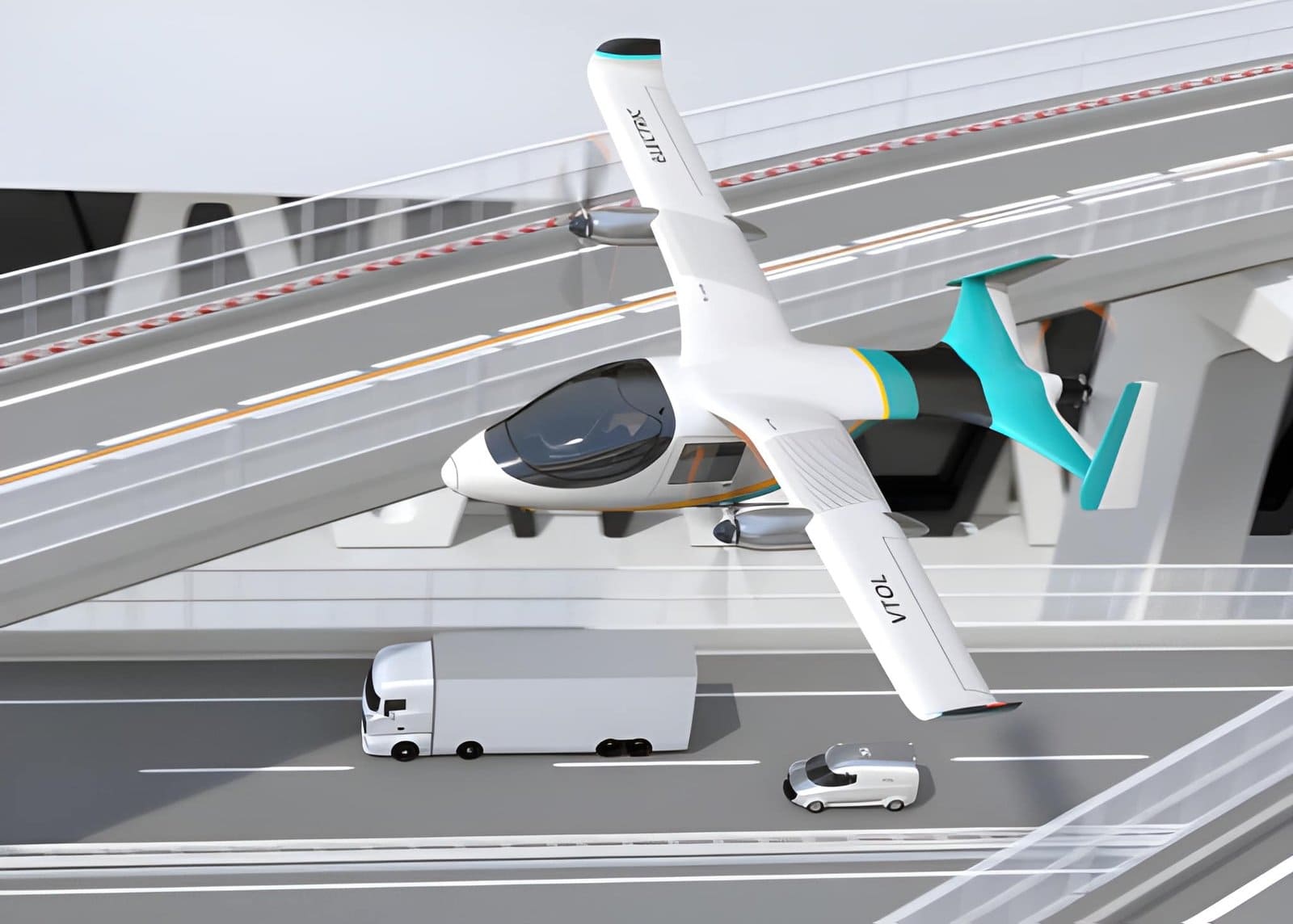
Electric cars went from novelty to mainstream in about a decade. Electric planes haven’t followed the same curve, and the reason comes down to a single stubborn number: energy density.
The Battery Weight Problem
Jet fuel packs an enormous amount of energy into very little weight. Batteries don’t. Pound for pound, today’s best lithium-ion batteries store only a small fraction of the usable energy that aviation fuel does. That gap matters more in aviation than almost anywhere else, because an aircraft has to physically lift the weight of its entire energy source off the ground and carry it for the whole flight.
A car with a heavier battery just accepts a bit less range and a bit more weight rolling on the road. A plane doesn’t get that luxury — every extra kilogram of battery is a kilogram that has to be offset somewhere else, or it eats directly into how much fuel, cargo, or flight time is possible. This is the core reason today’s electric aircraft are mostly small: two-seat trainers, short-hop experimental designs, and light recreational aircraft, rather than anything resembling a passenger airliner.
Where Electric Propulsion Already Makes Sense
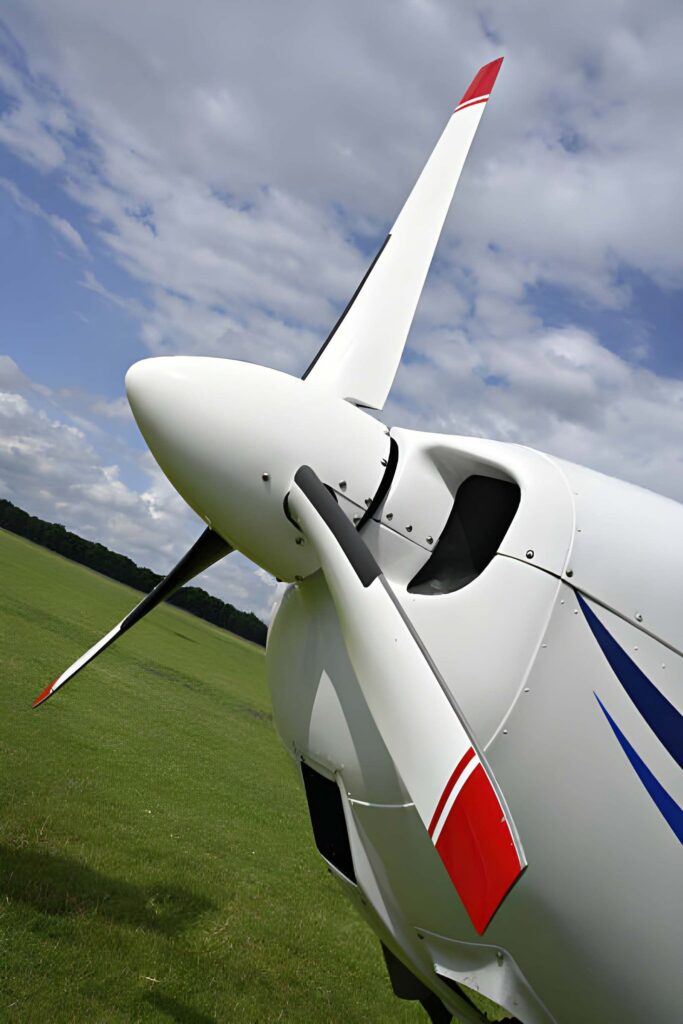

Despite that limitation, electric propulsion isn’t just a lab curiosity. It already works well in specific niches where range and payload demands are modest. Flight schools have started adopting small electric trainers for pattern work and short local flights, where battery limitations barely matter but fuel and maintenance savings add up fast over thousands of repetitive short flights. Electric propulsion is also quieter and vibration-free compared to combustion engines, which matters a lot for aircraft flying repeated short circuits near residential areas.
The Hybrid Middle Ground
Because pure battery power struggles with range, much of the near-term engineering effort has shifted toward hybrid-electric aircraft — designs that combine a conventional fuel-burning engine with electric motors and batteries, rather than replacing fuel entirely. This isn’t just a compromise for its own sake; it lets designers capture some of electric propulsion’s advantages, like more efficient power delivery during specific flight phases, without needing batteries to carry an entire flight’s energy on their own.
Several hybrid concepts already flying in prototype form use the fuel-burning engine primarily to generate electricity, which then powers electric motors turning the propellers — a fundamentally different architecture from a traditional engine directly driving a propeller through a mechanical shaft. This setup opens up design flexibility that wasn’t really possible before, since electric motors can be placed and sized more freely than a single central engine ever could be.
What Would Actually Need to Change
For electric propulsion to meaningfully scale up toward larger regional aircraft, the energy density of batteries themselves needs to improve substantially, not just incrementally. This is an active area of battery research broadly, not just in aviation, since the same energy-density problem limits electric vehicles, grid storage, and consumer electronics too. Any major breakthrough in battery chemistry would likely benefit aviation as a downstream effect of research driven mostly by other industries with bigger near-term markets.
In the meantime, the more realistic short-to-medium-term path for cutting aviation’s environmental footprint runs through sustainable aviation fuels and incremental efficiency gains in conventional engines, rather than a wholesale jump to battery power for larger aircraft.
The Bigger Picture
None of this means electric aviation is a dead end — it means it’s currently well-suited to a specific slice of aviation (short flights, light aircraft, training) rather than a wholesale replacement for how larger aircraft fly. That’s a pattern worth remembering broadly in aviation technology: genuinely useful innovations often start by quietly filling a narrow niche long before they’re capable of displacing the mainstream approach entirely.
Leave a Reply